The name points to an older meaning of plum. The cake in the box tells a more varied story of dried fruit, spice and Indian Christmas baking.
Why Is Christmas Plum Cake Called Plum Cake When It Has No Plums?
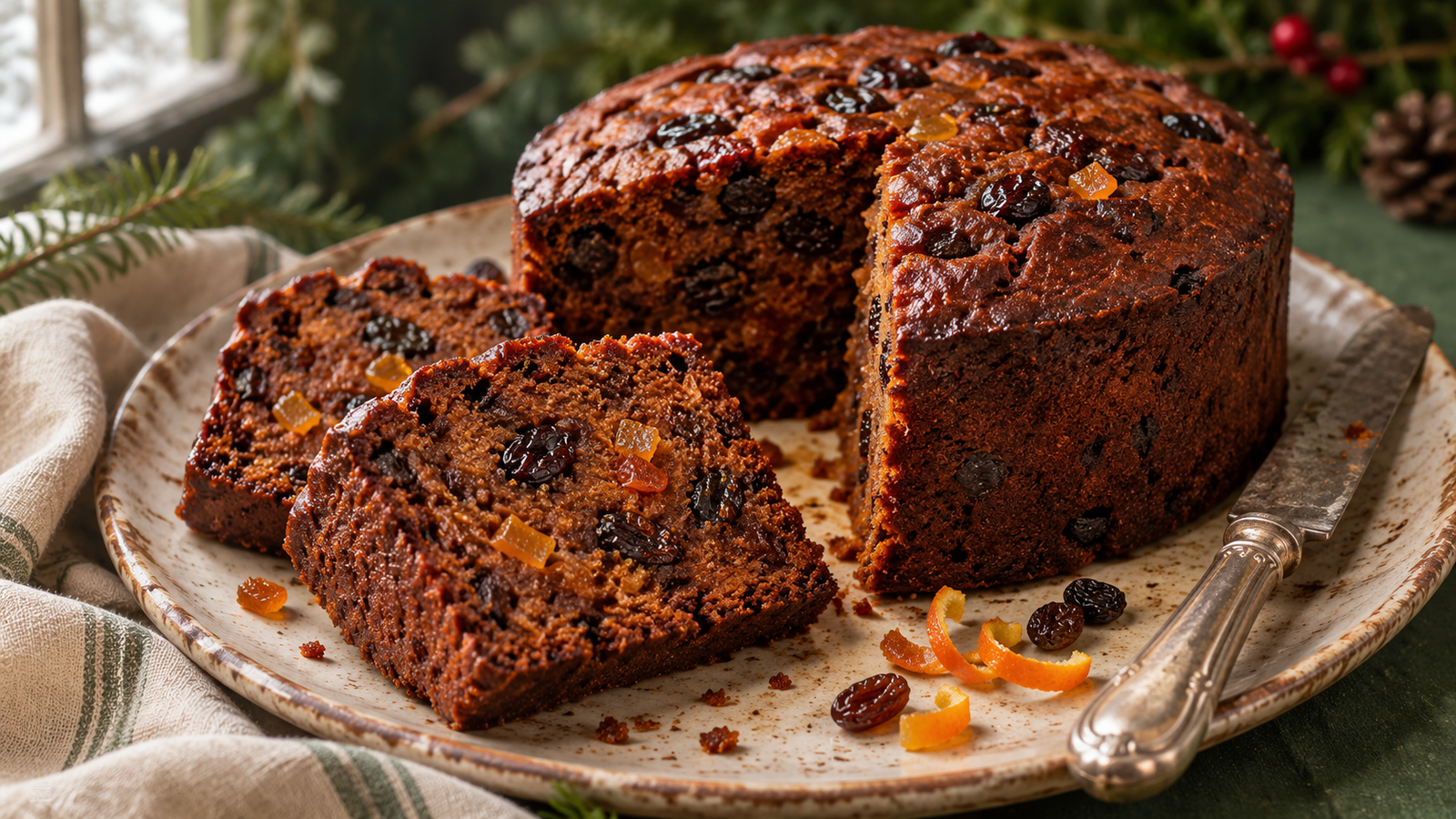
Cut into a Christmas plum cake and you might find raisins, candied peel and chopped nuts. What you may not find is a plum. For anyone buying the cake for the first time, the name seems to promise the wrong fruit.
The explanation lies partly in language. An older culinary use of “plum” covered dried fruit, including raisins. The Oxford Companion to Food connects that usage with names such as plum cake and plum pudding. A cake can carry the old name without containing the fresh stone fruit we now call a plum.
That solves the naming puzzle. It does not mean every Christmas plum cake follows the same recipe. In India, the name sits over a broad family of fruit cakes, with differences that matter much more at the bakery counter than the missing plum.
What is actually in Christmas plum cake?
Dried fruit supplies much of the character. Raisins, currants, dates or other fruits may appear, depending on the baker. Candied citrus peel contributes a different flavour from a raisin; nuts change the texture again. Spices, the fat used and the treatment of the fruit all influence the finished cake.
Read the ingredients as a description of the particular cake in front of you. “Rich fruit cake” and “plum cake” are useful names, but neither tells you exactly which fruits the baker has chosen. Nor does a dark colour, by itself, establish how much fruit is inside.
If you are choosing between two cakes, ask about the fruit mixture first. Someone who dislikes candied peel may enjoy a cake built around raisins and dates. Someone looking for a pronounced citrus note may want precisely the ingredient the first person avoids.
How the cake became part of Indian Christmas
The cake travelled through colonial connections and developed regional lives of its own. The Indian Express documents Indian variations, including an Allahabadi version that incorporates petha, the translucent pumpkin sweet. Such adaptations make “Indian Christmas cake” a more interesting subject than a single imported recipe.
Rather than treating one bakery’s method as the national standard, look for what a particular place or family adds, changes or leaves out. A familiar name can conceal a very local preference. The meaningful question is often not whether the cake is authentic in the abstract, but whose Christmas it belongs to.
That is also the appeal of Goa’s Christmas kuswar assortments. The festival is recognisable; the foods and the ways they are shared give it a regional identity.
Does plum cake always contain alcohol?
No. Rum-soaked fruit is associated with some Christmas cakes, but alcohol-free versions exist too. A name on a display card cannot settle the question. If avoiding alcohol matters to you or the person receiving the gift, ask the baker directly and check the packaged ingredient list.
Make the question specific: was alcohol used in the fruit mixture, batter, filling or finishing? Ask separately about eggs, dairy and nuts if those ingredients matter. “Alcohol-free” does not mean eggless, and “eggless” does not answer the alcohol question.
It is better to get a clear answer about the actual product than to rely on a general claim that baking removes everything. The preparation and the product are what you need to establish.
What to ask before buying a festive cake
For a gift, begin with the recipient: do they like fruit-heavy cakes, are they comfortable with alcohol, and do they have dietary requirements? Then ask the bakery about its ingredients, packing date and storage instructions.
Storage advice should come from the maker. A plain fruit cake, a cake finished with cream and a homemade alcohol-free bake should not automatically be treated as interchangeable. Follow the label after opening rather than assuming every Christmas cake can sit in a tin for weeks.
Finally, buy a size that will be enjoyed. A smaller cake that suits the table is a better choice than a large festive box chosen mainly for its packaging. The plum may be absent, but the fruit, spice and care behind the cake should be easy to identify.
Featured image: AI-generated editorial illustration for The Food Eaters.