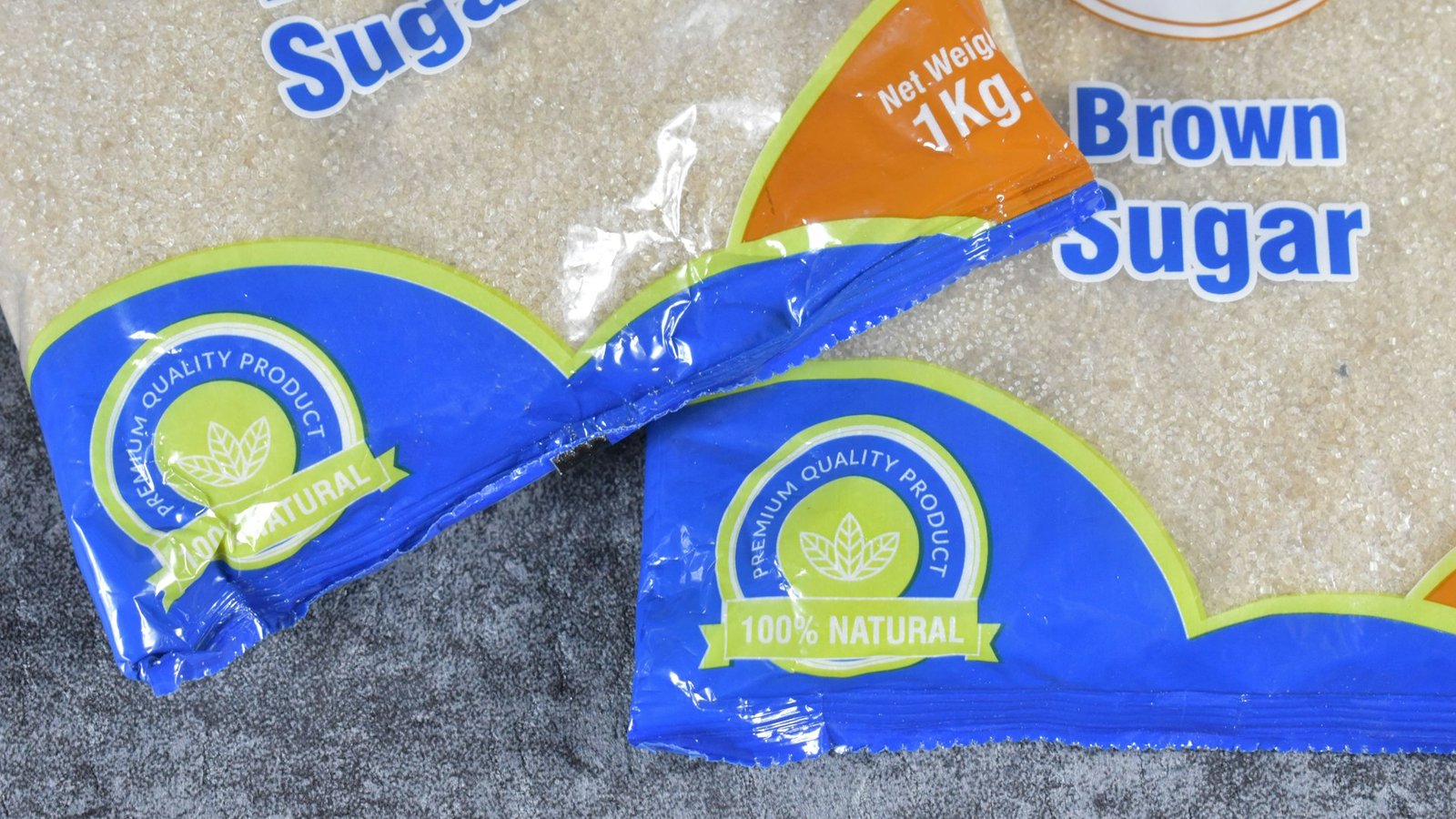
Words like ‘natural’, ‘pure’ and ‘real’ are not free-form marketing terms in India. FSSAI’s advertising and claims rules set conditions on when food brands may use them.
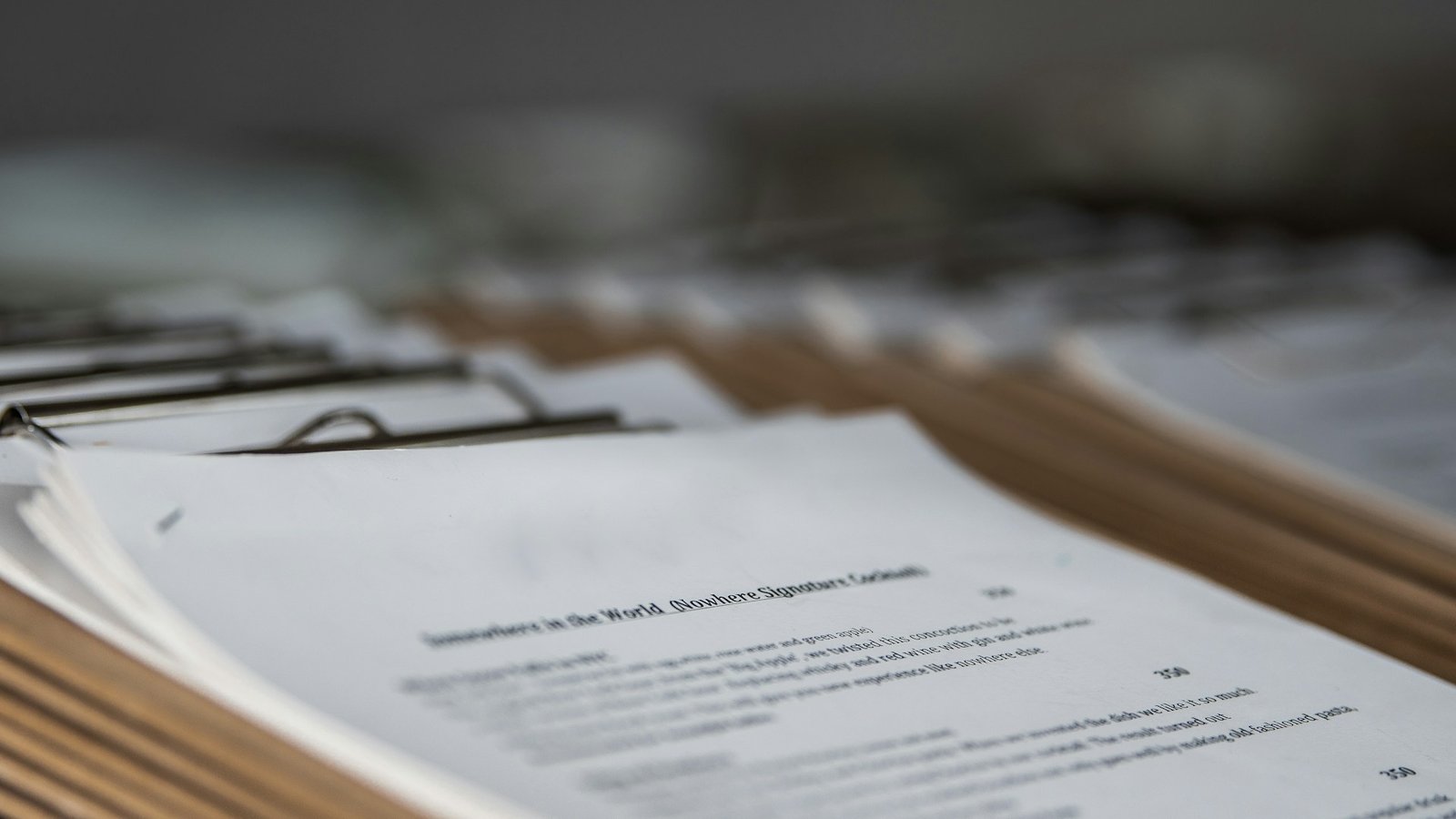
Not every restaurant in India has to print calories. FSSAI’s menu-labelling rule applies to Central-licensed food-service establishments or those with 10+ locations, with specific exemptions.
India’s 2022 vegan-food framework remains current. Form I import certification begins 1 April 2027, while the revised vegan-logo specification begins 1 July 2027.
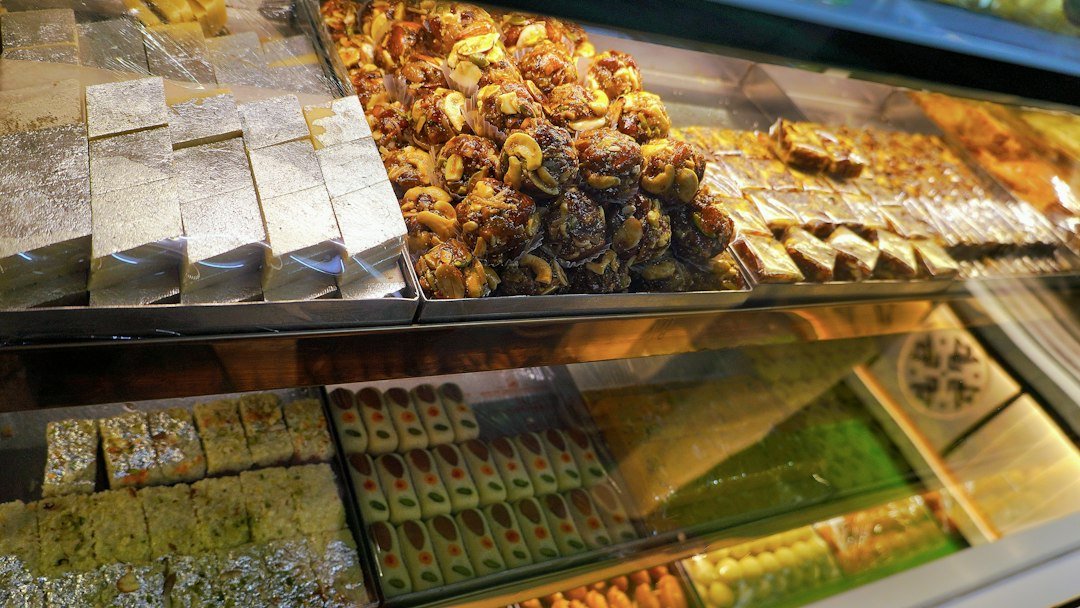
FSSAI’s food-grade silver-leaf standard requires at least 999/1000 silver purity and bans animal-origin material in manufacture. Here’s what that means—and what shoppers cannot tell by sight.
FSSAI’s September 2026 paneer proposal is still a draft. Here’s what already applies to dairy analogues, what the new amendment would change, and what diners should look for.
Multiple delivery brands can operate from one cloud kitchen. Here’s what Indian consumers can verify, what FSSAI rules actually show, and what a shared kitchen does not prove.
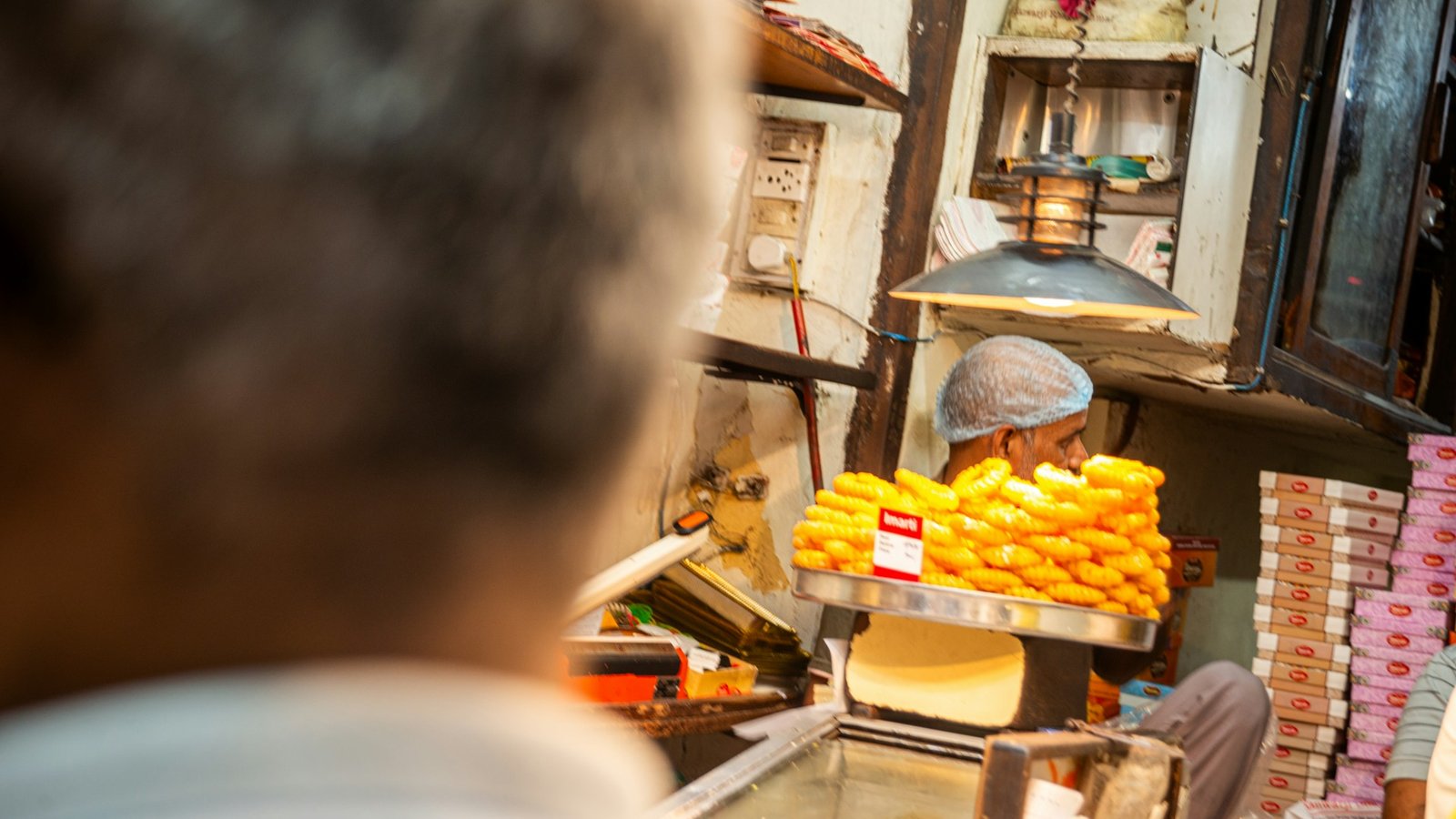
From 15 October 2026, Uttar Pradesh will require use-by information on sweets. Here’s what shoppers should look for—and how it differs from FSSAI’s national best-before direction for loose sweets.