Words like ‘natural’, ‘pure’ and ‘real’ are not free-form marketing terms in India. FSSAI’s advertising and claims rules set conditions on when food brands may use them.
Can a Food Brand Say ‘Natural’, ‘Pure’ or ‘Real’? What FSSAI Rules Allow
“Natural”, “pure”, “real”, “authentic” and “traditional” are some of the most persuasive words on a food label.
They can also be some of the least useful if they are treated as decoration.
In India, FSSAI does not allow food businesses to use these terms however they like. The Food Safety and Standards (Advertising and Claims) Regulations set specific conditions on when these descriptions may be used, while FSSAI’s current amendment index lists three amendments, the latest dated 13 December 2022.
As of 23 October 2026, no later Advertising & Claims amendment is listed on that official page.
The broad principle is straightforward: a claim must be truthful, meaningful and not misleading. But each familiar word carries a different regulatory meaning.
What does “natural” mean under FSSAI rules?
FSSAI allows “natural” to describe a single food derived from a recognised plant, animal, microorganism or mineral source when nothing has been added and the food has only undergone processing that makes it suitable for human consumption without fundamentally changing its character.
The regulation lists processes including smoking without chemicals, roasting, blanching, dehydration, physical refining, freezing, concentration, pasteurisation, sterilisation and fermentation. It also specifies packaging without chemicals and preservatives. These conditions must be read together; a permitted process alone does not qualify every product for the claim.
Permitted food additives obtained from natural sources by appropriate physical processing may also fall within the rule.
The important point is that “natural” is tied to the nature of the food and how it was processed. It is not simply a synonym for “healthy”, “premium” or “better”.
Can a multi-ingredient food call itself “natural”?
Not in the same direct way as a qualifying single food.
FSSAI says a composite food should not itself be described directly or by implication as “natural”.
However, a composite food may say it is “made from natural ingredients” if all of its ingredients and food additives meet the relevant criteria.
That distinction matters for packaged snacks, drinks, breakfast products and sauces. A product containing several ingredients cannot use “natural” as a broad halo unless the permitted wording is actually justified by the formulation.
Are phrases like “natural goodness” allowed?
FSSAI’s Schedule V is unusually specific here.
The rules say claims such as “natural goodness”, “naturally better” and “nature’s way” should not be used.
The same principles can apply when words such as “real” or “genuine” are used in place of “natural” in a way that implies similar benefits.
So a phrase can be problematic even when it sounds like harmless advertising rather than a technical food claim.
What does “pure” mean?
“Pure” is narrower still.
FSSAI says the term should only be used to describe a single-ingredient food to which nothing has been added, which is free from avoidable contamination, and in which unavoidable contaminants remain below the applicable legal limits.
Compound foods generally should not be described directly or by implication as “pure”.
They may, however, be described as “made with pure ingredients” if those ingredients themselves meet the relevant criteria.
That means “pure” is not merely a quality adjective. It is a claim about composition.
Does “pure” mean safer, fresher or more nutritious?
No.
The word tells you whether a product qualifies for that specific compositional claim. It does not automatically tell you that the food is fresher, lower in sugar, lower in salt, more nutritious or safer than another compliant product.
Food safety depends on all applicable legal requirements being met, not on one front-of-pack adjective.
The same caution applies to terms such as “vegan”, “high protein” or “no added sugar”: each has its own regulatory meaning and should not be turned into a general health score.
When can a product say “real”, “genuine” or “authentic”?
FSSAI treats “authentic”, “genuine” and “real” as claims that need explanation.
The regulations say these terms may be used only where the label or advertisement also clarifies how the overall quality is tangibly justified and why the particular term has been used.
That prevents “real” from being used as a vague suggestion that competing foods are somehow fake or inferior.
A consumer should be able to understand what the manufacturer means by the claim.
What does “traditional” mean?
FSSAI gives “traditional” a time requirement.
The term may be used for a recipe, fundamental formulation or processing method that has existed for a generation—defined in the regulation as 30 years—and remained substantially unchanged during that period.
That makes “traditional” more than an aesthetic description.
A newly created product does not become traditional simply because the package uses heritage colours, a handwritten font or an old photograph.
And what about “original”?
Under the claims framework, “original” is meant for a food made to a formulation whose origin can be traced and which has remained essentially unchanged over time.
The regulations also say it should not contain replacements for major ingredients.
The same term can be used for a process where it is genuinely the first process used for that food and the origin can be traced.
Again, the idea is to tie the claim to something that can be demonstrated rather than to a general feeling of authenticity.
Can “natural” or “pure” appear in a brand name?
Yes, but a brand name does not get a free pass if it can mislead consumers about the true nature of the food.
FSSAI’s Second Amendment Regulations, 2022 updated the disclaimer requirement for potentially misleading trade marks, brand names or fancy names containing words such as:
- natural;
- fresh;
- pure;
- original;
- traditional;
- authentic;
- genuine; and
- real.
Where the name is likely to mislead consumers about the nature of the food, the current rule requires a prominent front-of-pack disclaimer making clear that the wording is only a brand, trade mark or fancy name and does not represent the food’s true nature.
The amendment also sets minimum font-size requirements according to the principal display-panel area.
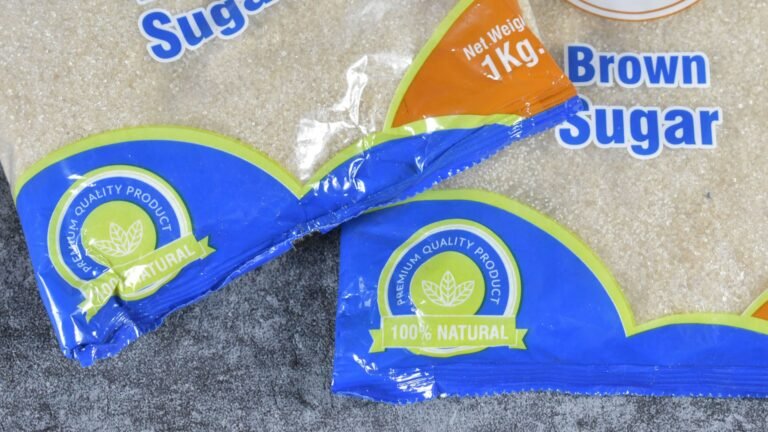
For shoppers, the practical lesson is simple: a brand name that includes “Natural” or “Pure” does not necessarily mean the product itself meets the ordinary claim criteria for those words.
Why does FSSAI regulate these words?
Because they influence how people judge food before they read the ingredient list.
“Natural” can sound healthier. “Pure” can sound safer. “Traditional” can imply authenticity. “Real” can make alternatives sound inferior.
FSSAI’s general principles therefore require claims to be truthful, unambiguous, meaningful and not misleading.
The regulator also prohibits claims that encourage excessive consumption, undermine healthy dietary practices, or suggest that a balanced diet cannot provide adequate nutrition except in situations specifically allowed by law.
The point is not to ban marketing language. It is to require that the language has a defensible basis.
What should shoppers actually do?
Do not stop at the adjective on the front of the pack.
Use the rest of the label to test whether the claim is meaningful:
- Read the ingredient list.
- Check whether the food is single-ingredient or composite.
- Look for the explanation behind words such as “real” or “authentic”.
- If the brand name itself uses one of these terms, check for a disclaimer where the name could otherwise be misleading.
- Use the nutrition panel for nutrition questions instead of assuming “natural” means low sugar, low salt or low fat.
Read each claim on its own terms
“Natural” and “no added sugar” answer different questions. A product’s source or processing does not establish its sugar content. Our no-added-sugar guide explains why a qualifying product can still contain naturally occurring sugars.
Likewise, our guide to high-protein food marketing considers why a single favourable claim should not replace reading the whole label.
Can you trust a product just because the claim looks official?
No single word should replace reading the label.
A compliant claim is useful information, but it is narrow information.
“Natural” tells you something about source and processing. “Pure” tells you something about a single-ingredient food’s composition. “Traditional” tells you about continuity of formulation or method. “Real” or “authentic” should be backed by a stated basis.
None of those words alone answers every question about nutrition, allergens, processing or whether the product suits a particular diet.
A useful question at the shelf
Ask what evidence the word points to. For “pure”, check the composition. For “traditional”, look for an account of the recipe or method. For “real” or “authentic”, read the explanation the label or advertisement gives. If the word appears in the brand name, look for any required disclaimer.
You do not need to decide a product’s legal compliance from a supermarket aisle. You can, however, avoid treating its most persuasive word as proof of everything else.
FSSAI Advertising and Claims Regulations, current amendment index and related FAQ checked as of 23 October 2026.
Featured image: Photo by Franki Chamaki / Unsplash, under the Unsplash License. Illustrative cereal shelves photographed in the United States; no claim is made that the pictured brands violate Indian labelling rules.