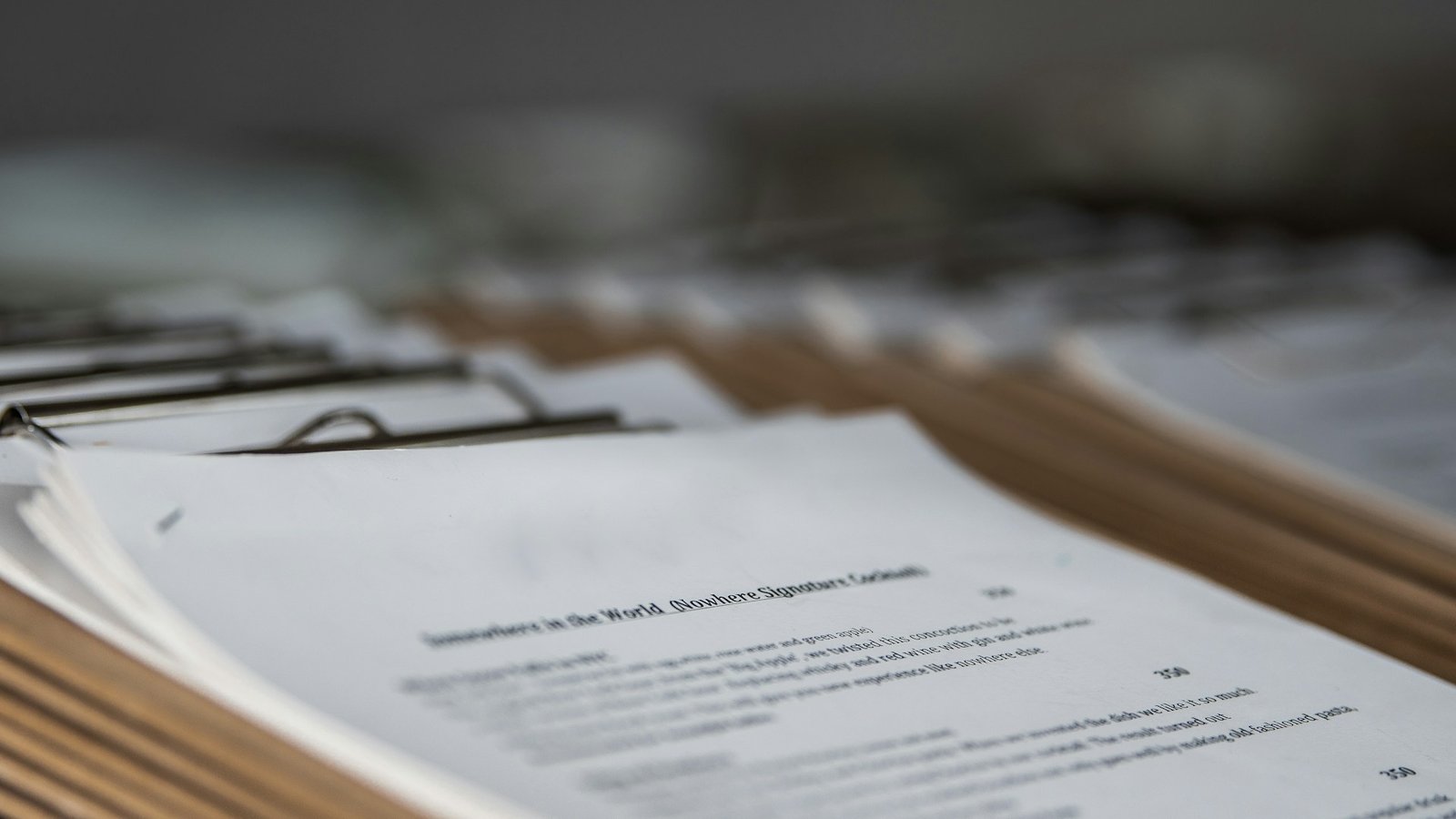
Not every restaurant in India has to print calories. FSSAI’s menu-labelling rule applies to Central-licensed food-service establishments or those with 10+ locations, with specific exemptions.
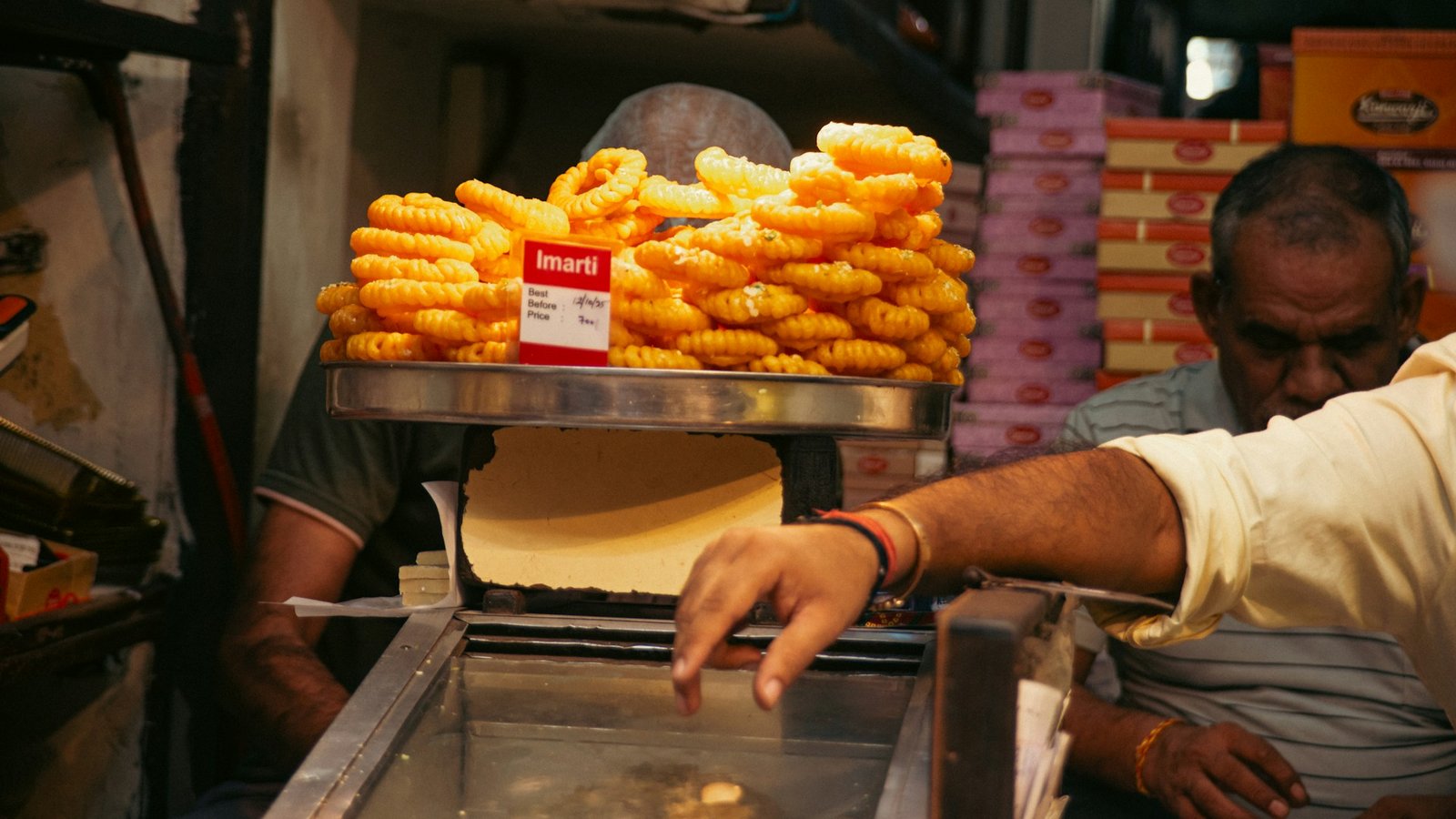
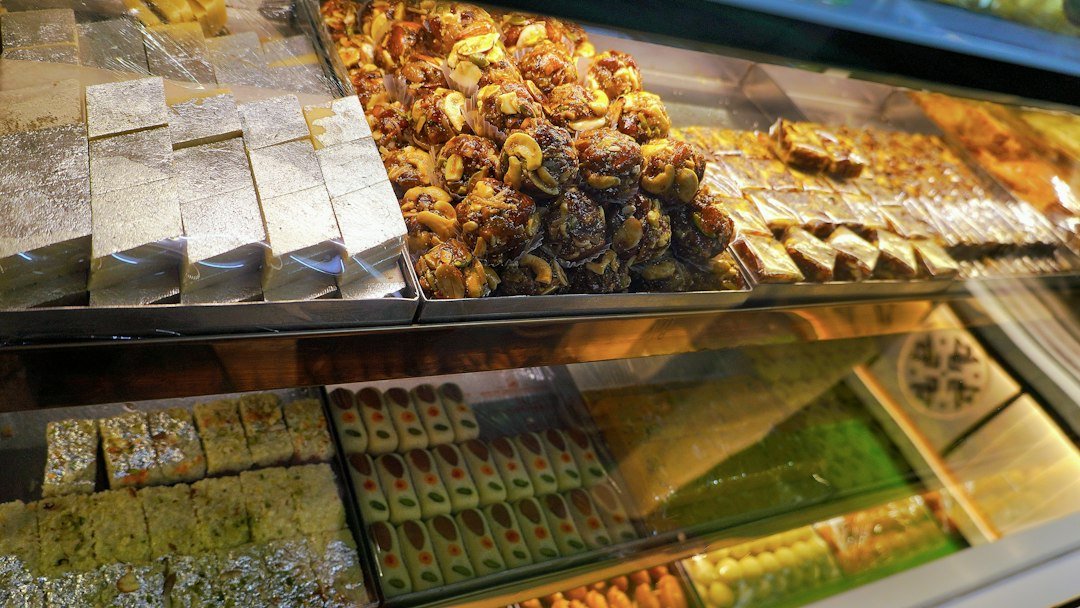
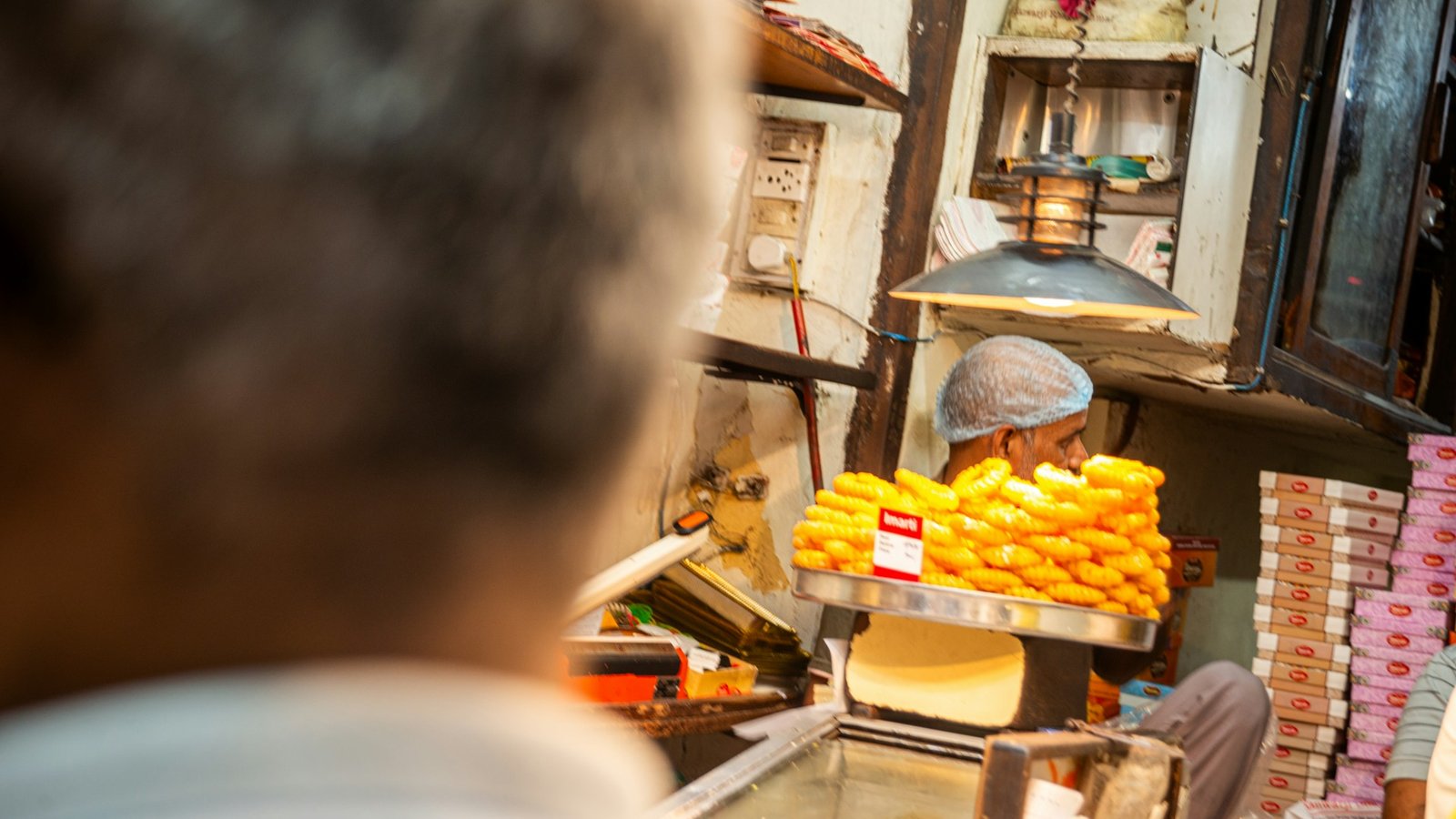
FSSAI’s 2026 festive drive is targeting sweets, milk products, edible oils, savouries and other high-demand foods. Here’s what inspectors are checking—and what shoppers can realistically do.
FSSAI’s food-grade silver-leaf standard requires at least 999/1000 silver purity and bans animal-origin material in manufacture. Here’s what that means—and what shoppers cannot tell by sight.
FSSAI’s September 2026 paneer proposal is still a draft. Here’s what already applies to dairy analogues, what the new amendment would change, and what diners should look for.
From 15 October 2026, Uttar Pradesh will require use-by information on sweets. Here’s what shoppers should look for—and how it differs from FSSAI’s national best-before direction for loose sweets.
India is considering red front-of-pack warnings for foods high in sugar, salt or fat. Here is what FSSAI has proposed—and what was still not final on 29 September 2026.
What can diners actually check before eating at an Indian restaurant? A practical guide to FSSAI licences, Hygiene Ratings, visible warning signs and complaints.
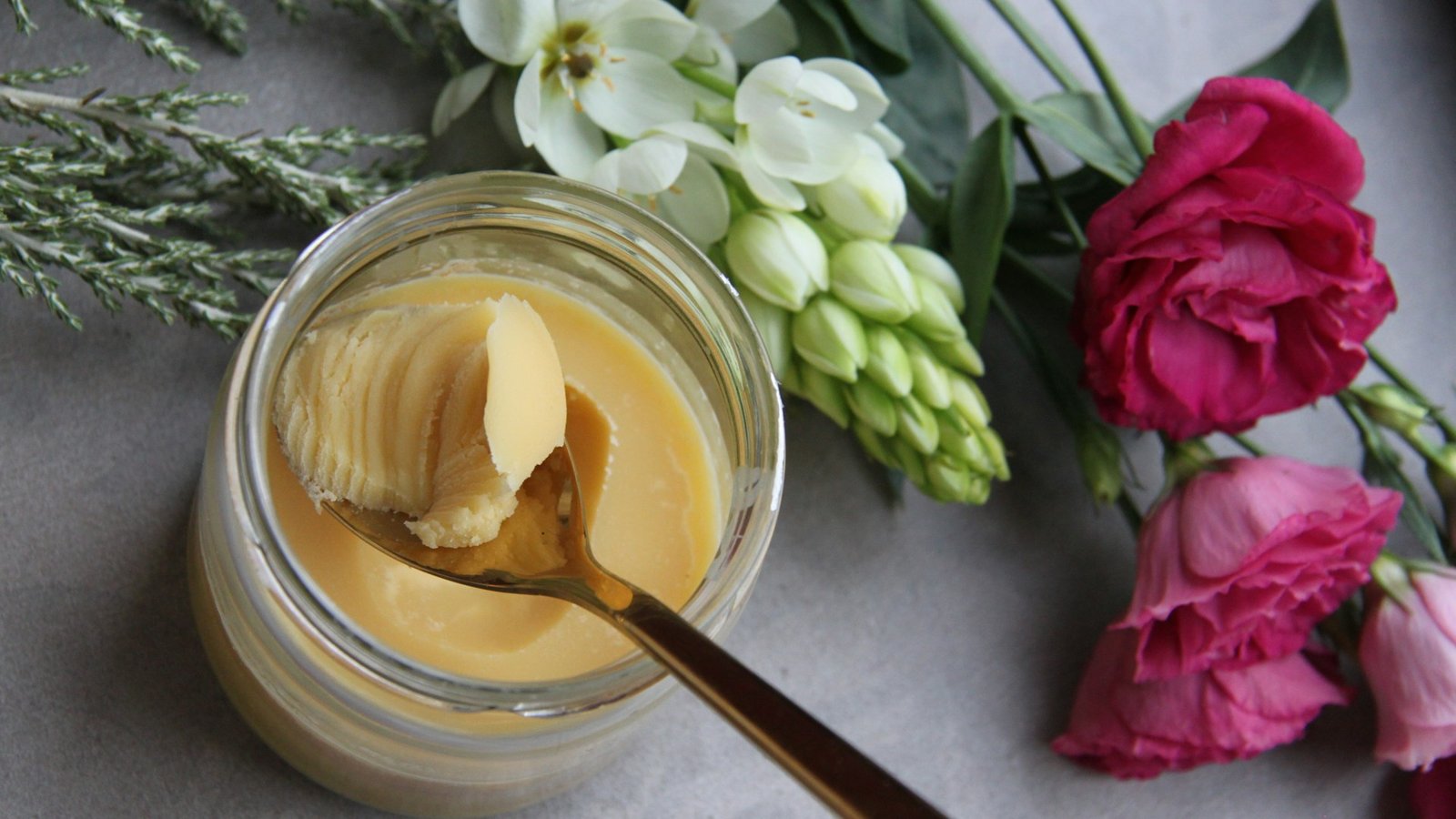
Can home tests really tell whether ghee is pure? Here’s what FSSAI’s iodine test can detect, what popular home tests cannot prove, and when laboratory testing is needed.