How West Bengal celebrates Durga Puja through pandals, community meals, family gatherings and food—and how to experience the festival respectfully.
Durga Puja in West Bengal: How Food, Pandals and Homecoming Shape the Celebration
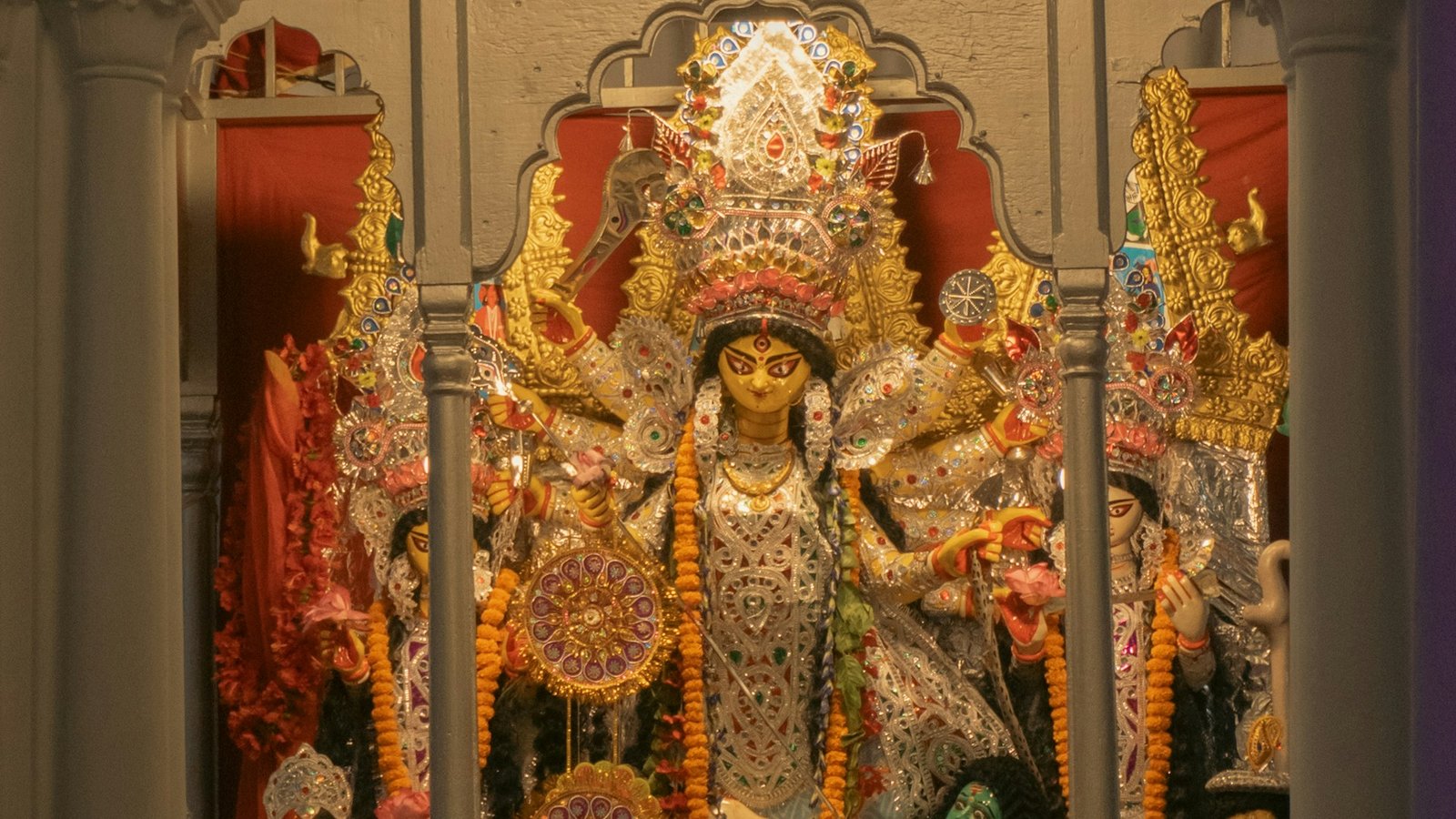
To understand Durga Puja in West Bengal, make room for more than a list of famous pandals. Worship, public art, neighbourhood gatherings and meals all belong to the celebration. Food is one way people make time for one another, whether at a community meal or around a family table.
For a visitor, the useful distinction is between the different spaces of Puja. A household celebration, a neighbourhood pandal and a restaurant’s festive menu are connected to the same season, but they do not have identical customs or serve the same purpose.
A homecoming expressed through art and worship
UNESCO’s account of Durga Puja in Kolkata describes an autumn festival associated with the goddess Durga and the idea of homecoming. It also recognises the work of artists, designers and craftspeople who create the images and temporary structures through which the festival takes public form. The Kolkata element was inscribed on UNESCO’s Representative List of the Intangible Cultural Heritage of Humanity in 2021.
That recognition is specifically for Durga Puja in Kolkata. The festival itself is celebrated across West Bengal and beyond; the UNESCO title should not be turned into a separate designation for every city’s festivities.
What people do during Puja
West Bengal Tourism’s festival overview describes months of preparation, elaborate pandals, lighting, cultural programmes and social gatherings. Visiting different pandals is a way to encounter those creative choices: one installation may draw on a religious story, another on a social or environmental theme.
There is no requirement to approach this as a competition to see the greatest number. A more rewarding visit leaves space for the surroundings, the worship taking place and the people who have organised it. Follow the committee’s directions about queues, photography and access, particularly when a ritual is in progress.
The festival concludes with immersion traditions. Procession routes and local arrangements change, so use the relevant organisers’ and authorities’ current notices rather than treating last year’s route as a promise.
Three different ways food enters the celebration
Bhog is an offering before it is a meal. The British Council-commissioned study of the 2019 Puja economy describes food first offered to Durga and subsequently distributed. It also documents the separate restaurant and stall activity around the festival. Its figures belong to 2019; they are not measurements of this year’s celebrations.
A family meal follows the household. Avoid assuming that one menu represents every Bengali home or every day of worship. If you are a guest, ask what the hosts observe instead of arriving with a fixed expectation of what “authentic” Puja food must contain.
Food stalls and restaurants offer another experience. A meal bought while visiting pandals is not automatically ritual bhog. The difference is worth preserving even when the dishes overlap. Our guide to Durga Puja bhog explains the familiar rice, dal and vegetable preparations in more detail.
Leave time for food beyond the headline dishes
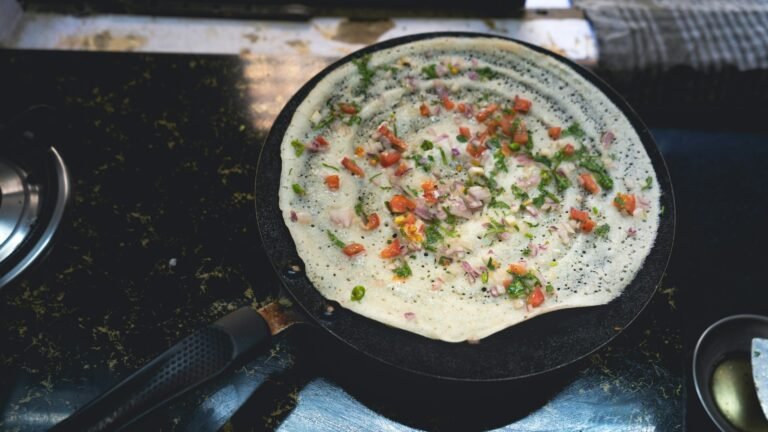
Bengal’s food culture includes much more than a single festive thali. The state’s cuisine overview identifies snacks such as aloor chop, beguni, kati rolls and phuchka, alongside a broad sweet-making tradition. These are useful names to recognise when reading menus, not a claim that every stall sells all of them.
Choose according to appetite and the actual menu. A snack stop and a seated meal can serve different needs, especially when travelling with children or older relatives. Ask about ingredients directly rather than relying on a dish’s name to settle dietary requirements.
Plan around the people travelling with you
Pick a manageable area, agree on a meeting point and keep a meal break in the plan. Confirm community-meal access with the organisers: serving times, availability and any registration arrangements are local decisions. At restaurants, check the current menu and reservation policy before travelling.
For visitors exploring beyond Kolkata, our Durgapur food and city guide offers a separate starting point. Bengal’s festival deserves that wider view, while each place deserves to be described on its own terms.
Details checked as of 20 October 2026. Confirm local programmes, meal arrangements, hours and reservations before visiting. This is a source-based cultural guide, not an on-site report.
Featured image: Photo by Tojo Basu / Unsplash, under the Unsplash License. Archive photograph published in 2025; not a photograph of the 2026 celebrations.