Mumbai restaurants are considering 10–15% menu-price increases. Here’s what AHAR’s announcement means, why timing varies and how diners can compare bills.
Mumbai Restaurant Prices May Rise 10–15%: What Diners Should Know
A familiar Mumbai meal could soon come with a different price. Restaurants in the city are considering menu-price increases of around 10–15%, according to recent reporting on the Indian Hotel and Restaurant Association’s announcement.
For diners, the important qualification is that this is not a single citywide price change with one start date. Individual restaurants will decide when to revise their menus and by how much. A headline about a proposed increase does not establish what your neighbourhood restaurant is charging today.
What has been announced?
In its 18 October report, Mint described an AHAR statement indicating that revised prices were expected progressively over the coming weeks at member establishments in Mumbai, including dine-in, quick-service and delivery menus.
The Free Press Journal’s 17 October coverage explicitly noted that the timing and size of a revision would be decided by each establishment. That distinction is useful when planning a meal: the reported range is an industry expectation, not a verified increase at every outlet.
Why are restaurants discussing higher prices?
AHAR attributes the pressure to several expenses rising together, including cooking fuel, ingredients, rent, wages and transport. These are the association’s explanations for the proposed revisions; they should not be read as an independently audited account of every restaurant’s costs.
Restaurant India’s 15 October report also captured differing operator responses. Some described the difficulty of protecting margins, while another said his business was still assessing costs before deciding its approach. The reporting points to individual pricing decisions rather than a uniform response.
There is a straightforward distinction here: a higher selling price is not automatically an equivalent rise in profit. The cost of producing and serving the meal matters too. Equally, the industry’s explanation does not tell a customer whether a particular revised menu represents good value. That judgment still depends on the meal, portion, service and total bill.
What would a 10–15% rise mean for a meal?
The following are arithmetic examples, not prices collected from restaurants. They apply the reported percentage range to a menu subtotal, before any separately charged items:
- A ₹100 subtotal would become ₹110 at 10%, or ₹115 at 15%.
- A ₹300 subtotal would become ₹330 at 10%, or ₹345 at 15%.
- A ₹1,000 subtotal would become ₹1,100 at 10%, or ₹1,150 at 15%.
Frequency makes the difference to a household budget. Twenty meals with a ₹200 menu subtotal currently add up to ₹4,000. If each subtotal rose uniformly by 10–15%, the additional cost would be ₹400–₹600. This is a planning illustration, not a forecast: your actual orders and the restaurant’s revisions may differ.
Four checks before your next order
- Use the current menu. An old photograph, saved screenshot or past receipt is a useful comparison, but ask for today’s prices before ordering.
- Compare the same meal. Check the dish, serving size and included accompaniments. A cheaper-looking combination may contain a different set of items.
- Compare the final amount. If choosing between eating in, takeaway and delivery, compare the complete order shown in each channel rather than only the first dish price.
- Ask about group bookings. For a celebration or office meal, request the current per-person price and a clear list of inclusions before confirming.
These checks also help separate a menu revision from other parts of a restaurant bill. Our restaurant service-charge guide covers that separate issue. For the wider context of digital ordering and restaurant discovery, read how dining out in India is changing.
What remains unconfirmed?
The Food Eaters has not conducted an outlet-by-outlet menu survey for this article. We cannot say that every Mumbai restaurant has implemented an increase, or that every dish at an affected establishment will rise by the same percentage.
For now, the useful takeaway is practical: check the current menu, compare like-for-like orders and allow for a possible revision when planning repeat meals. The news is about potential pressure on everyday dining budgets—not a reason to assume that every bill has already changed.
Reported coverage checked on 21 October 2026. This article synthesises the linked reporting; it does not claim an interview with AHAR or the restaurants quoted by those publications.
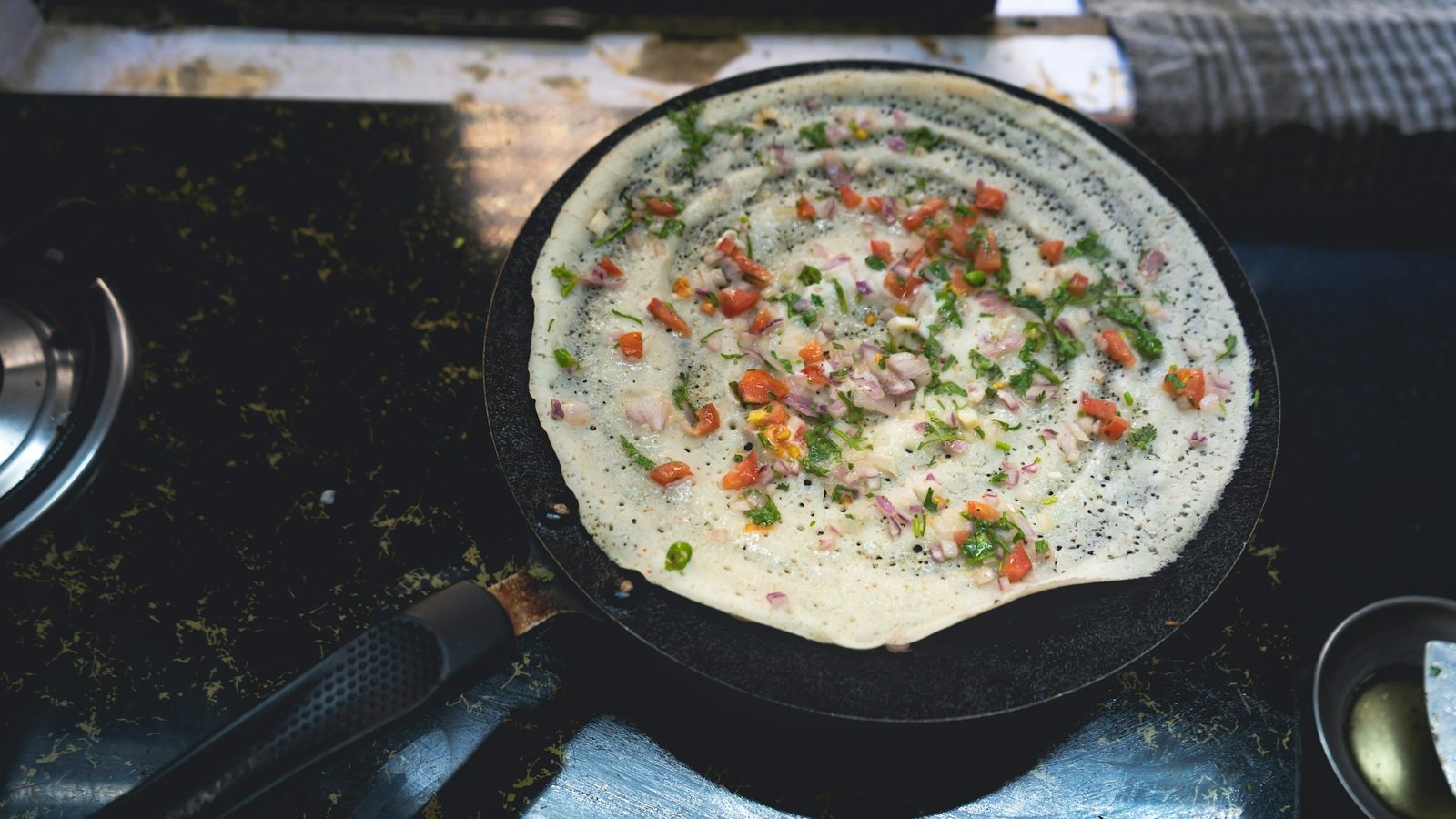
Featured photograph by fuseviews / Unsplash, used under the Unsplash License. Photographed in Mumbai and published in September 2024; cropped for display. This is an illustrative cooking photograph, not evidence that the pictured business has raised prices.