What can diners actually check before eating at an Indian restaurant? A practical guide to FSSAI licences, Hygiene Ratings, visible warning signs and complaints.
Restaurant Hygiene in India: What Diners Can Actually Check Before They Eat
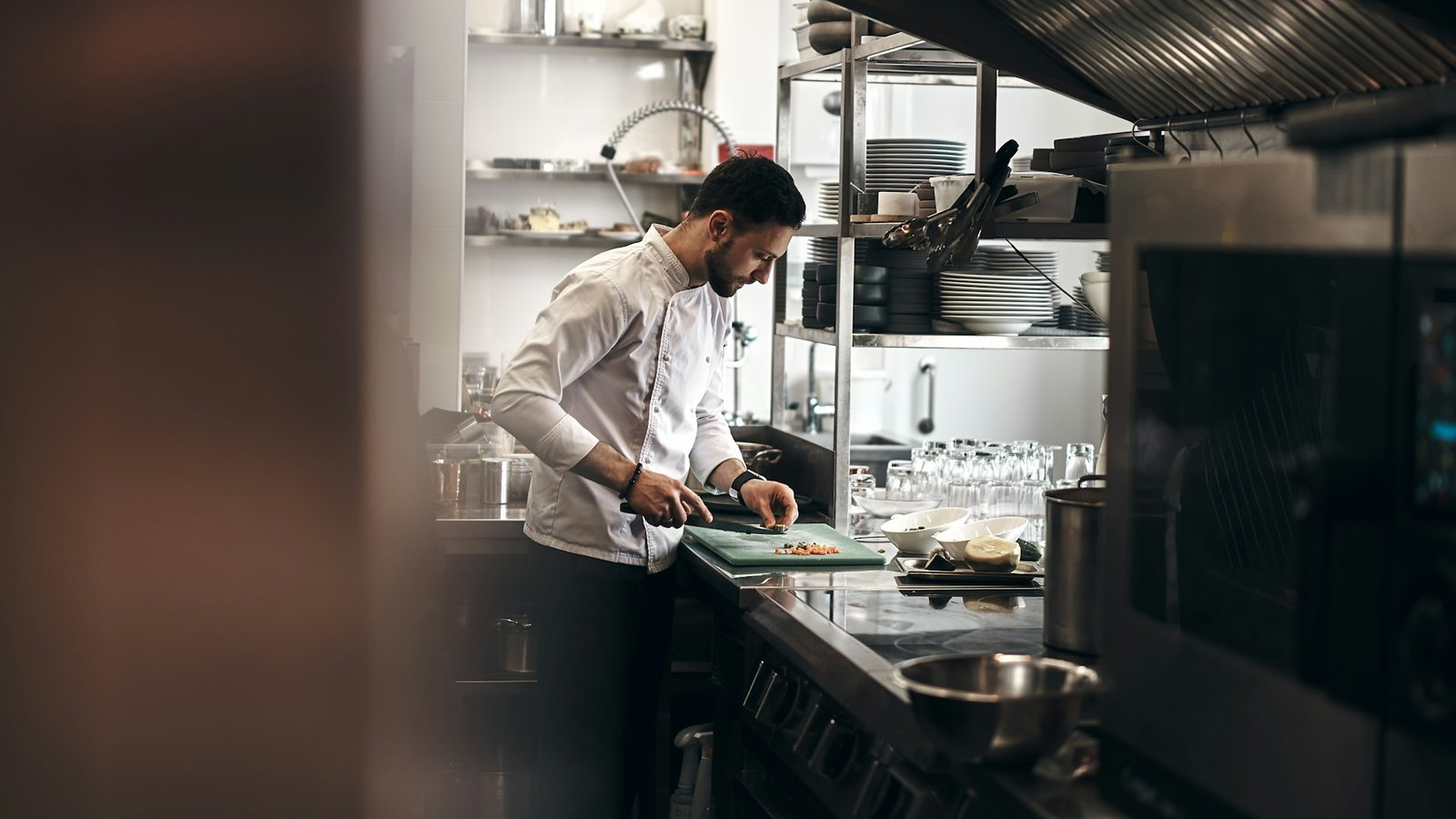
A spotless dining room can be reassuring. It is not proof that the kitchen behind it is handling food safely.
Restaurant hygiene in India is partly visible to diners and partly hidden inside systems: licensing, storage, cleaning schedules, food handling, pest control, water testing and staff training. FSSAI gives consumers a few ways to check those systems, but none of them turns a quick glance into a complete food-safety audit.
Quick answer: Check that the business has a valid FSSAI licence or registration, look for a current FSSAI Hygiene Rating if the restaurant participates, and pay attention to obvious handling or cleanliness problems. But remember: appearance alone cannot reveal every food-safety risk.
1. Start with the FSSAI licence or registration
Food businesses operating in India are required to be licensed or registered under the food-safety system that applies to them. For a diner, the useful question is not whether a restaurant displays a logo—it is whether the licence or registration number is genuine and active.
FSSAI’s Food Safety Connect service allows consumers to check the authenticity of a Food Business Operator’s licence or registration certificate and to raise food-safety concerns.
A valid licence is an important baseline. It does not mean that every meal served on every day has been independently inspected.
2. Understand what an FSSAI Hygiene Rating actually means
FSSAI’s Hygiene Rating Scheme gives participating food businesses a score from 1 to 5 based on food hygiene and safety conditions observed during an inspection or audit.
The current scale is:
- 5 — Excellent
- 4 — Very Good
- 3 — Good
- 2 — Needs Improvement
- 1 — Requires Urgent Improvement
FSSAI describes the scheme as voluntary and says the rating reflects standards found on the date of inspection. It applies to food-service establishments such as restaurants, cafeterias and dhabas, as well as bakeries, sweet shops and meat retail shops. FSSAI Hygiene Rating Scheme.
That date limitation matters. A five-star rating is useful evidence about the conditions observed during that audit; it is not a permanent guarantee about every future service.
3. You can verify a Hygiene Rating online
FSSAI’s Hygiene Rating portal includes a public “Know Rating” search that lets diners search by FSSAI licence or registration number, eatery name and location.
If a restaurant displays a rating certificate, checking it against the official portal is more useful than relying only on a sticker or social-media claim.
Not finding a rating does not automatically mean the restaurant has failed an inspection, because participation in the scheme is voluntary.
4. What does the hygiene audit look at?
The Hygiene Rating system is based on FSSAI food-hygiene and safety requirements. The official guidance says participating businesses need an active FSSAI licence or registration, compliance with Schedule 4 requirements, Food Safety Display Boards, FoSTaC-trained Food Safety Supervisors and, for licensed businesses, periodic food and water testing. FSSAI Hygiene Ratings.
The audit goes beyond whether tables look clean. FSSAI’s guidance and checklists cover areas such as premises and equipment, cleaning, personal hygiene, storage, food handling and controls intended to reduce contamination.
Most diners cannot directly inspect all of those systems during a meal.
5. What can a diner actually notice?
Some warning signs are visible without pretending to perform an inspection.
- Food-contact surfaces or serving areas that are visibly dirty.
- Obvious pest activity in dining, serving or open-food areas.
- Staff handling ready-to-eat food and money without changing practices or cleaning hands where needed.
- Raw and ready-to-eat foods visibly being handled together in ways that could cause cross-contamination.
- Open food left exposed to obvious contamination risks.
- Damaged, leaking or visibly unclean food-holding equipment.
These observations can justify concern. They still do not tell you whether refrigeration logs are correct, water has been tested, suppliers are traceable or a pathogen is present.
This distinction is similar to reading restaurant reviews: some things can be independently checked and others are judgments. Our guide to food influencers vs food critics looks at that difference from the review side.
6. Be careful with buffet assumptions
A buffet can look abundant and well arranged while still depending on controls a diner cannot verify from appearance alone.
What you can reasonably notice is whether food is protected from obvious contamination, whether serving utensils are available and whether the setup looks actively maintained rather than neglected.
What you usually cannot establish from the dining room is the full time-and-temperature history of a dish, how it was cooled or reheated, or what happened during preparation.
7. A clean dining room is useful information—but incomplete information
Visible cleanliness matters. It can tell you something about attention to the customer-facing environment.
It cannot tell you everything about:
- water quality and testing;
- cold-chain and storage records;
- pest-control documentation;
- supplier traceability;
- staff training;
- microbiological contamination; or
- whether a specific ingredient meets its regulatory standard.
That last point also applies at home. In our ghee-purity guide, we explain why a visible or household observation cannot replace the laboratory evidence needed for some food-safety questions.
8. What should you do if something looks seriously wrong?
FSSAI’s Food Safety Connect portal is the consumer-facing route for raising food-safety concerns, checking licence authenticity and tracking complaints. Food Safety Connect.
If you plan to complain, keep useful evidence where possible: the restaurant name and location, bill or order record, date and time, clear photographs, and a concise description of what you observed.
A complaint should describe what happened rather than making a diagnosis that only an inspection or laboratory test could establish.
What restaurant hygiene checks can—and cannot—tell you
Valid FSSAI licence/registration
Useful for: The business is recorded in the food-safety licensing/registration system.
Does not prove: That every current practice is compliant.
FSSAI Hygiene Rating
Useful for: Conditions observed during the relevant audit/inspection.
Does not prove: Permanent future hygiene.
Visible cleanliness
Useful for: Obvious customer-facing conditions.
Does not prove: Hidden storage, water or microbiological safety.
Bottom line: Diners can verify licences, look up voluntary Hygiene Ratings and notice obvious problems. They cannot certify a restaurant safe by appearance alone.
Information checked: 29 September 2026.
Featured image: Photo by Pylyp Sukhenko / Unsplash.