Hōjicha and matcha are both Japanese green teas, but roasting, taste, caffeine and preparation set them apart. Here is how they differ—and what India’s 2026 search interest actually shows.
Hōjicha vs Matcha: Taste, Caffeine, Preparation and Why India Is Searching for Both
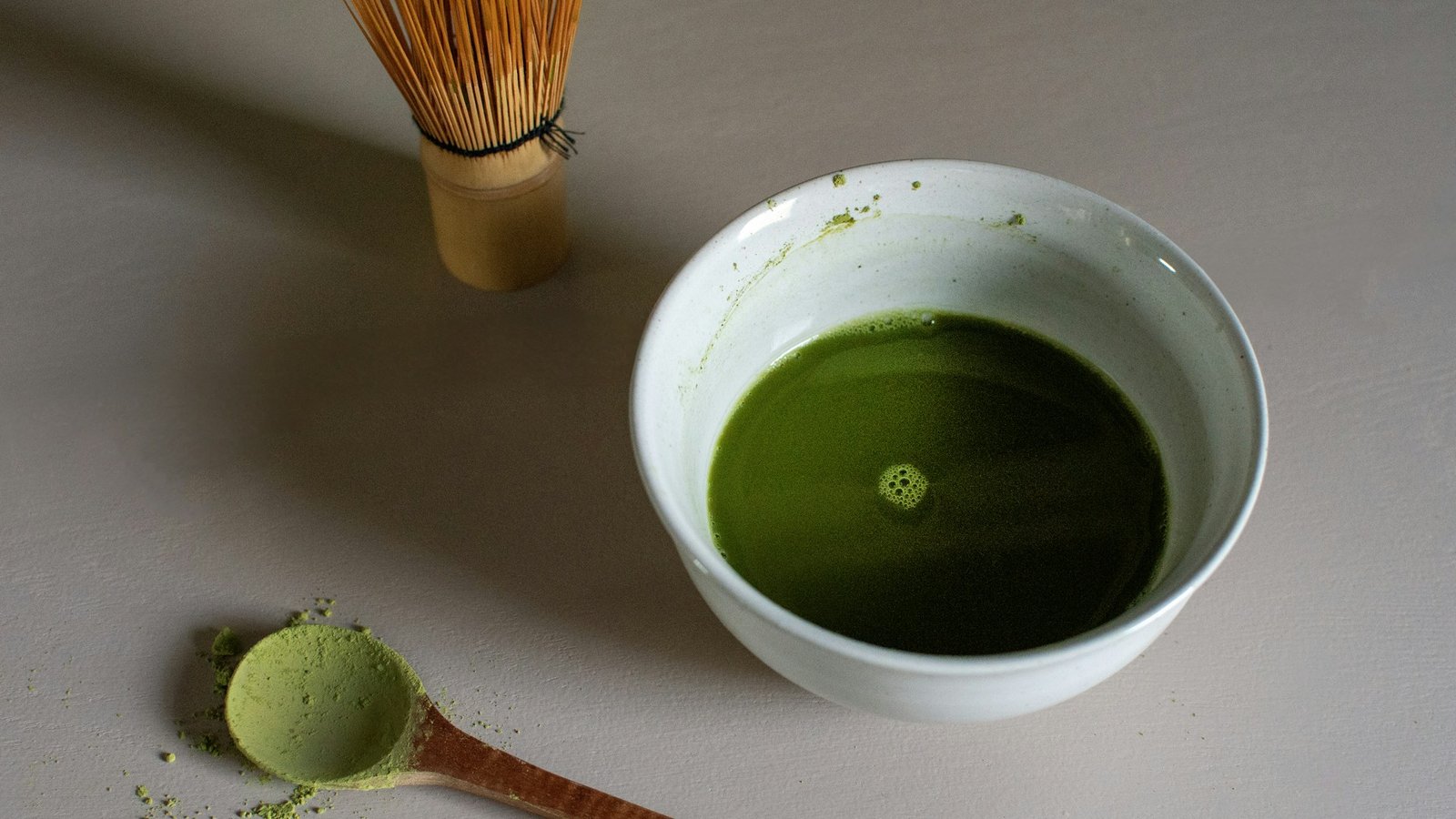
Matcha is now familiar enough on Indian café menus that many drinkers know the broad idea: vivid green colour, a grassy or umami-led taste, and a preparation ritual built around whisking tea powder into water.
Hōjicha looks and tastes very different. It is also a Japanese green tea, but roasting changes its aroma, colour and flavour. Google India reported that searches for Hōjicha reached an all-time high in March 2026, while “hojicha vs matcha” became a breakout comparison query. That shows growing curiosity; it does not prove that Hōjicha has overtaken matcha or become a mass-market drink across India. Google India.
Quick answer: Matcha is powdered tencha and is whisked into water, so the powdered leaf remains in the drink. Hōjicha is roasted green tea and is usually brewed as an infusion. Matcha tends to taste greener and more umami-led; Hōjicha is warmer, toasted and nutty. Hōjicha still contains caffeine.
Matcha and Hōjicha start with different processing
The difference begins before either tea reaches the cup.
Japan’s Ministry of Agriculture, Forestry and Fisheries describes matcha as tea made by grinding tencha into a fine powder. Tencha is produced from shaded tea leaves that are steamed and dried without being rolled; the stems and leaf veins are removed before grinding. Shading helps preserve theanine and contributes to the rich umami associated with matcha. MAFF’s guide to Uji tea.
Hōjicha takes another route. MAFF describes it as tea made by roasting sencha or kawayanagi. Some styles use stems: Ishikawa’s Kaga Bocha, for example, is made by roasting selected tea stems, with different roasting levels changing the balance of roasted aroma, sweetness and remaining umami. MAFF’s Kaga Bocha profile.
Both belong to Japanese green-tea culture, but the processing is different enough that the two should not be treated as interchangeable.
What does matcha taste like?
Good matcha can combine umami, vegetal freshness, sweetness, bitterness and astringency. The balance depends on the tea itself, cultivation, grade and preparation.
MAFF explains that shaded cultivation limits the conversion of theanine into bitter catechins, helping produce tea with more pronounced umami and less bitterness than open-grown tea. MAFF.
That does not mean every matcha tastes soft or sweet. Too much powder, very hot water or lower-quality tea can make bitterness and astringency more prominent.
What does Hōjicha taste like?
Roasting moves Hōjicha away from matcha’s fresh-green character. The profile is commonly associated with toasted, warm and nutty aromas, sometimes with a natural sweetness.
MAFF’s description of Kaga Bocha shows how roasting can change the tea: lighter roasting preserves more of the original umami, while darker roasting strengthens roasted aroma and sweetness. MAFF.
For someone who finds matcha too grassy or assertive, Hōjicha may feel easier to approach. That is a matter of taste, not a quality ranking.
Hōjicha vs matcha: which has more caffeine?
A single universal “mg per cup” comparison is difficult because matcha and Hōjicha are prepared differently and serving sizes vary.
Japan’s Standard Tables of Food Composition list matcha powder at 3.2 g of caffeine per 100 g of powder, equivalent to 32 mg per gram of powder. MEXT matcha entry.
For Hōjicha, the same database reports a prepared infusion at 0.02 g of caffeine per 100 g of liquid under its standardised preparation method: 15 g of tea with 650 mL of water at 90°C for 30 seconds. MEXT Hōjicha entry.
Those figures use different bases—dry matcha powder versus brewed Hōjicha—so they should not be turned into a simplistic cup-to-cup claim. What they do establish is that Hōjicha is not caffeine-free.
Is powdered Hōjicha just brown matcha?
No. Powdered Hōjicha can be whisked into milk or water and used in desserts, which makes it look functionally similar to matcha on a café menu. But the underlying tea is different.
Matcha is specifically made by grinding tencha. Hōjicha is roasted tea. Milling roasted Hōjicha into powder changes its format, not its identity.
How are matcha and Hōjicha prepared?
| Tea | Typical preparation | What stays in the cup |
|---|---|---|
| Matcha | Fine tea powder is dispersed and whisked into water. | The powdered leaf is consumed. |
| Hōjicha | Roasted leaf or stems are usually steeped in hot water and removed; powdered products can also be mixed directly. | Usually the infusion only, unless a powdered product is used. |
For one specific Hōjicha style, MAFF recommends two tablespoons of Kaga Bocha with about 300 mL of piping-hot water, steeped for around 25 seconds. That is guidance for Kaga Bocha, not a universal recipe for every Hōjicha. MAFF.
Why are people in India searching for Hōjicha now?
The strongest evidence is search behaviour, not national sales data.
Google India reported that Hōjicha search interest reached an all-time high in March 2026. “Hojicha vs matcha” saw breakout growth, while “what is hojicha” and “hojicha latte” also surged in August. Delhi led national search interest for Hōjicha in Google’s snapshot. Google India.
Matcha remains the bigger reference point in that same report. Google said searches for “how to make matcha” rose 1,300% over the previous year, while queries around matcha bowls, whisks, caffeine and flavoured combinations also increased.
That makes Hōjicha’s rise easier to understand as an adjacent discovery: people who already know matcha are beginning to compare another Japanese tea with it.
For more on that wider café context, see our guide to matcha, mochi and bingsu in India and our look at dessert trends shaping India in 2026.
Which one should you choose?
Choose by flavour and format rather than treating one as the “healthier” or more sophisticated option.
If you want a vivid, grassy, umami-led tea and enjoy the ritual of whisking powder, matcha is the clearer fit. If you prefer roasted, nutty and warmer flavours, Hōjicha may suit you better.
If caffeine matters to you, check the actual product and serving size rather than relying on a generic internet number. The two teas are prepared differently, and that changes what ends up in the cup.
Bottom line: Matcha and Hōjicha are not competing versions of the same drink. One is powdered tencha; the other is roasted green tea. The best choice is the flavour and preparation style you actually want.
Information checked: 29 September 2026.
Featured image: Photo by Andrea Lacasse / Unsplash.