From specialist matcha bars to mochi ice cream and Korean shaved ice, East Asian dessert formats are becoming more visible on café menus across Indian cities.





From specialist matcha bars to mochi ice cream and Korean shaved ice, East Asian dessert formats are becoming more visible on café menus across Indian cities.
Matcha, mochi and bingsu often appear together in discussions about “Asian dessert trends”, but they are not versions of the same idea.
Matcha is powdered Japanese green tea. Mochi is associated with Japanese glutinous-rice traditions and today appears in many modern forms, including mochi ice cream. Bingsu is Korean shaved ice, typically built around very fine ice or milk ice and toppings that can range from red bean to fruit, condensed milk, rice cake and contemporary café additions.
Treating them separately matters.
What they share in India in 2026 is not a common origin. It is increasing visibility in urban café and restaurant formats.
Of the three, matcha has the clearest quantitative evidence.
Mintel’s March 2026 research on Indian Gen Z dessert consumption found that 22% of the Gen Z consumers it surveyed said they would pay more for matcha-flavoured desserts. Mintel also identified social-led food discovery as an important part of dessert culture in this group. That percentage describes Indian Gen Z respondents, not all Indian consumers.
Matcha is also becoming visible as a café proposition in its own right.
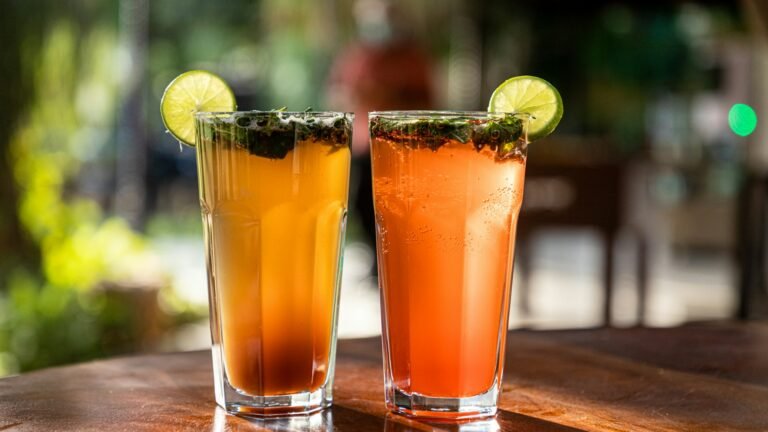
Tokyo Matcha Bar’s current Mumbai menu includes multiple matcha lattes and frappes, including strawberry, white-chocolate and other variations.
In September 2026, NDTV Food also reported that the brand was broadening its café menu while retaining matcha-led drinks and desserts.
India’s supply story changed this year too. Chota Tingrai Tea Estate in Assam sold five kilograms of commercially produced matcha at the Guwahati Tea Auction Centre on 3 July 2026, an experiment developed through years of work with Japanese tea expertise. The Indian Express documented how the estate developed the product.
None of that means matcha has replaced coffee or traditional Indian beverages. It does show that the category has progressed beyond an occasional imported novelty.
Mochi has a different trajectory.
It has been available in specialist Japanese and pan-Asian restaurants for years, but current Indian menus show how the format is being localised.
Yum Yum Cha’s own website currently identifies mochi ice cream as part of its offering.
Its current Delhi ordering menu includes mango and matcha versions alongside distinctly localised flavours such as Pink Paan Mochi and Coconut Jaggery Mochi. The current ordering menu shows those examples.
That is a useful example of how an imported dessert form can change once it becomes part of a local menu.
The significance is not simply that Indian diners can now buy mochi.
It is that restaurants are beginning to treat the chewy rice exterior as a format that can carry flavours familiar to Indian customers.
Korean bingsu follows a third route.
Instead of being built around tea or a portable bite, it is a large-format shaved-ice dessert closely connected to Korean café culture.
Current menus establish a growing Indian presence.
Seoul Dak’s 2026 Mumbai summer menu promoted four “snow-soft” bingsu varieties as part of its seasonal offering.
Dedicated bingsu-focused businesses are also opening outside Delhi and Mumbai. In March 2026, Hyderabad reporting documented a Snowberry outlet focused on Korean bingsu and fruit-based frozen desserts; another Snowberry opening was reported in Dehradun later in the year.
These examples establish geographic spread. They do not provide a robust national market-share figure for bingsu, so the article should not call it one of India’s most popular desserts.
There are practical reasons matcha, mochi and bingsu fit contemporary café menus.
Matcha can move easily between beverages and pastry.
Mochi offers a distinctive chewy texture and can be sold as an individual portion.
Bingsu is highly customisable and naturally suited to hot-weather café visits and shared dessert occasions.
Their visual qualities also matter in a discovery environment increasingly shaped by social platforms. Mintel specifically connects social media with dessert discovery among Indian Gen Z consumers.
But “Instagrammable” should not become a substitute for explaining the food itself.
Texture, temperature and flavour are central to all three formats.
The most interesting examples are not necessarily exact reproductions.
Pink paan and coconut-jaggery mochi show a Japanese-derived format absorbing Indian flavours.
Tokyo Matcha Bar’s strawberry and dessert-style matcha variations place the tea inside a contemporary café language familiar to younger consumers.
Bingsu menus increasingly use mango, chocolate and other broadly familiar toppings alongside Korean references.
That kind of localisation often matters more than the first burst of novelty because it gives a format more than one reason to remain on the menu.
The evidence supports saying these desserts are more visible in Indian urban food culture.
It does not support claiming that matcha, mochi and bingsu have collectively “taken over” Indian cafés.
Matcha has measurable consumer interest among Indian Gen Z. Mochi is established on current pan-Asian restaurant menus and is being localised. Bingsu has dedicated outlets and seasonal café menus appearing across multiple cities.
That is enough to make the movement worth covering.
It is also a more accurate story than pretending three distinct food traditions have suddenly replaced everything that came before them.
For a broader view of how these flavours intersect with other café and bakery movements, see From Dubai Chocolate to Tiramisu: Dessert Trends Shaping India in 2026.