Ube and taro can both turn up on a café menu beside a picture of a purple drink. Ube is purple yam, Dioscorea alata. Taro is the starchy corm of Colocasia esculenta, the vegetable many Indian shoppers know as arbi. A drink’s colour can come from the plant, the way it’s prepared, or the other …
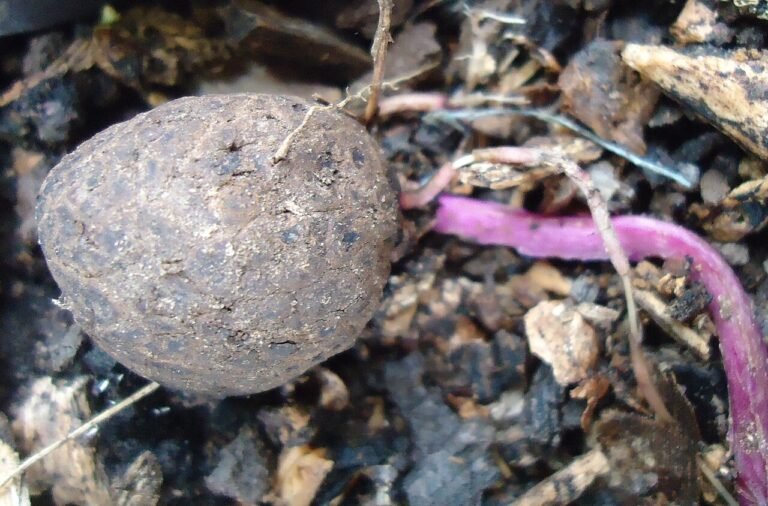
Ube and taro can both turn up on a café menu beside a picture of a purple drink. Ube is purple yam, Dioscorea alata. Taro is the starchy corm of Colocasia esculenta, the vegetable many Indian shoppers know as arbi. A drink’s colour can come from the plant, the way it’s prepared, or the other ingredients in a mix. Philippine Consulate General’s guide to ube and FAO’s guide to tropical root crops.
Ube vs taro at a glance
| What to compare | Ube | Taro |
|---|---|---|
| Plant | Purple yam (Dioscorea alata) | Corm of Colocasia esculenta |
| Flesh | Purple varieties range from lavender to deep violet | Often pale, sometimes with lilac or purple flecks |
| Taste when cooked | Mild, sweet and nutty | Milder, earthy and starchy |
| Dessert example | Filipino ube halaya, a thick sweetened yam preparation | Orh nee, a smooth Teochew taro paste |

What each ingredient brings to dessert
Ube halaya is a good place to start if you want to understand the yam’s role in Filipino sweets. The yam is cooked, mashed and sweetened. Recipes can include coconut milk, condensed milk and butter or margarine. The result can be eaten on its own or used to flavour another dessert. When a café uses halaya in a latte, the paste can contribute sweetness and body along with yam flavour.
In taro paste, the cooked corm supplies the starch that gives the dessert its body. Singapore diners may know this texture from orh nee. In a milk drink, the flavour can be much softer than the colour suggests, particularly when milk, sugar or flavouring makes up much of the mix.
Why purple tells you so little about an ube latte
The Straits Times reported in October 2026 that more Singapore cafés and restaurants were using ube. One example is HALO Ube & Matcha, whose listing in the 100AM directory mentions ube lattes. The listing identifies the drink but gives no recipe. The Straits Times’ reporting and 100AM’s directory.
If you want to know what’s in the cup, ask whether the café uses cooked yam, halaya, yam powder or a flavoured syrup. On a packet, look for the plant in the ingredient list. A powder made from the ingredient and an instant drink mix are both powders, but the latter can include sugar, creamer or added flavour. Taro powder and taro-flavoured drink mix deserve the same distinction.
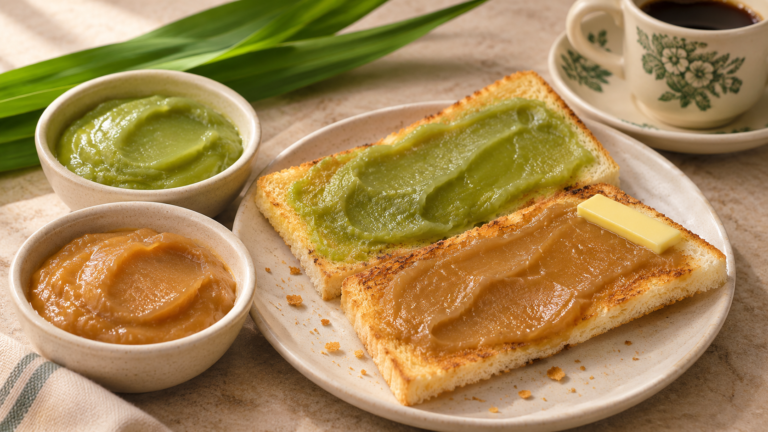
The same habit helps at the breakfast counter. Our guide to green and brown kaya explains what pandan and caramel contribute, and our Indian rojak guide follows another ingredient-led Singapore food tradition.
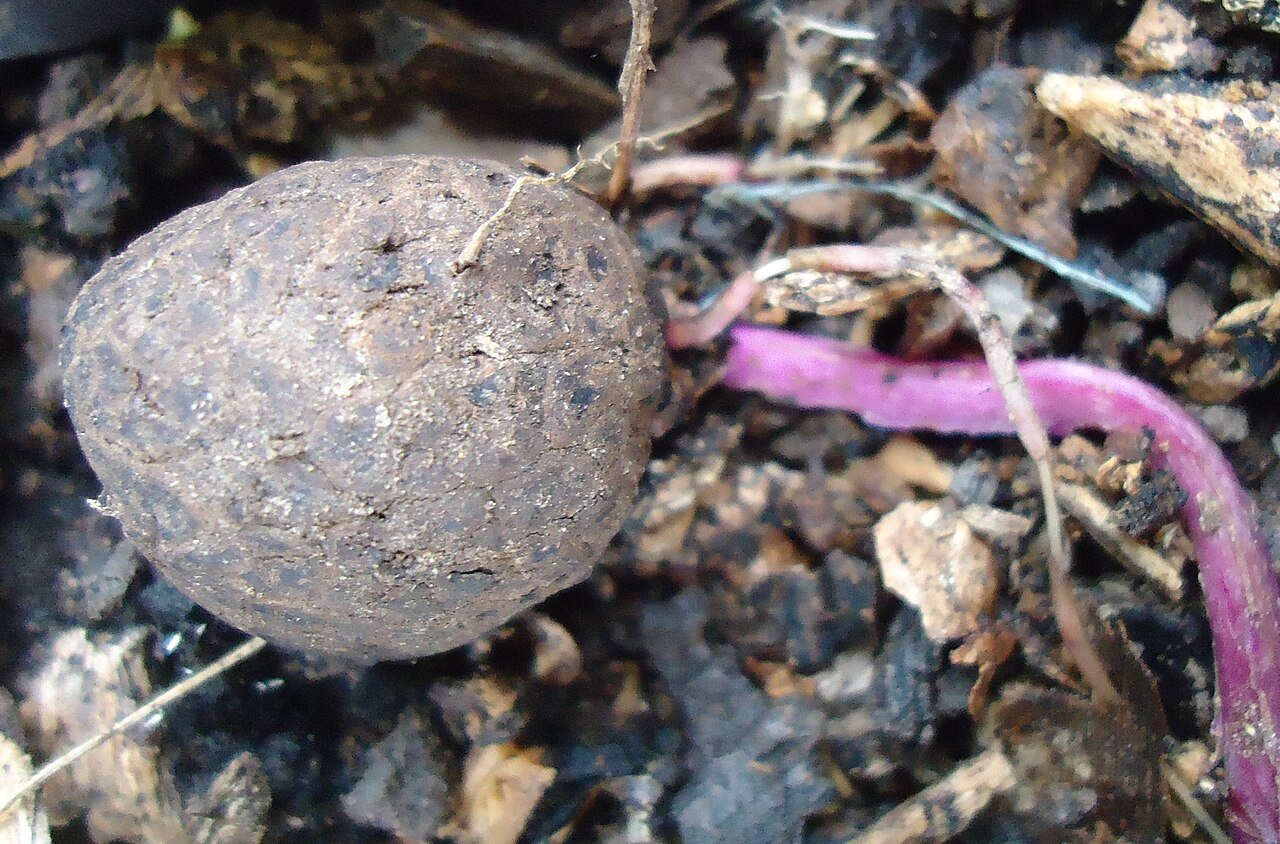
Ube photograph by Obsidian Soul via Wikimedia Commons, CC BY-SA 3.0. Resized for web.