Bengaluru and Mumbai restaurants offer hotpot and Korean BBQ. Current platform data shows interest in Korean food, with clear limits on nightlife claims.




Bengaluru and Mumbai restaurants offer hotpot and Korean BBQ. Current platform data shows interest in Korean food, with clear limits on nightlife claims.
Hotpot and Korean barbecue put part of the cooking at the table. Diners share a pot or grill, choose a sequence of ingredients and spend time around the same task. Indian restaurants now offer examples of both formats, but the evidence does not show that they dominate the country’s nightlife or that every young diner prefers them.
For hotpot, the restaurant’s own menu is stronger evidence than a sweeping trend label. Cantan in Bengaluru lists hotpots within a Chinese menu and describes a bar setting; its site gives dinner hours until midnight when checked. Garden Asia presents hotpot alongside Tibetan and Chinese cooking and drinks in Bengaluru. These are distinct businesses with their own interpretations of a shared-table meal. Neither restaurant’s public page establishes the growth rate of hotpot nationally.
For Korean barbecue, Hengbok’s site lists BBQ among its Korean offerings in Mumbai. Its current homepage also mentions a Santacruz West cloud kitchen; that delivery operation should not be confused with a grill-at-the-table visit. A menu mention proves an offering, while service format and current availability still need confirmation with the restaurant.
There is broader evidence of interest in Korean food, though it measures other things. Swiggy’s 2025 platform recap reports 4.7 million Korean-cuisine delivery orders in its data from 1 January to 30 November 2025. Its How India Eats 2025 release with Kearney describes strong growth in Korean cuisine on its measures and separately says late-night food-delivery meals were growing about three times as fast as dinner. Neither finding measures Korean BBQ tables after dark, and neither establishes a hotpot boom.
The nightlife connection is therefore specific, not universal. A restaurant such as Cantan publicly combines hotpots, cocktails and evening service. A shared pot or grill may suit a long group meal, while a delivery order reflects a different occasion. Calling both “nightlife” without that distinction would blur the evidence.
A diner curious about these formats should check the current menu, seating, cooking arrangement and last-order time directly. Korean BBQ, Chinese hotpot and Tibetan or other regional hotpot traditions are not interchangeable cuisines, even when they share an interactive table. Their presence in several Indian cities is a reportable development; claims that they have “taken over” require a national restaurant and consumer data set that the available sources do not provide.
Details confirmed as of September 2026. Always check current hours, menus and reservation policies before visiting.
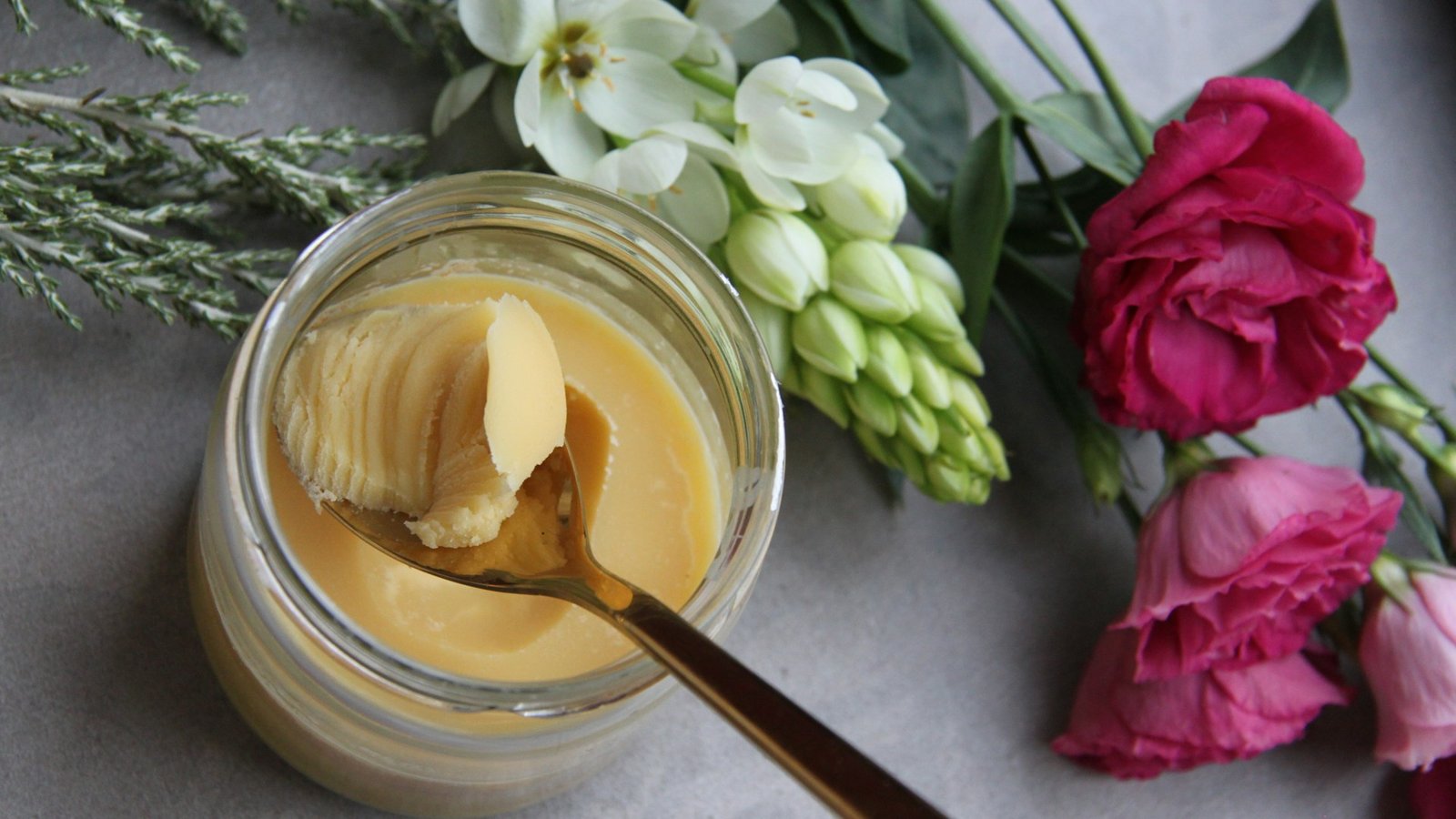
Can home tests really tell whether ghee is pure? Here’s what FSSAI’s iodine test can detect, what popular home tests cannot prove, and when laboratory testing is needed.
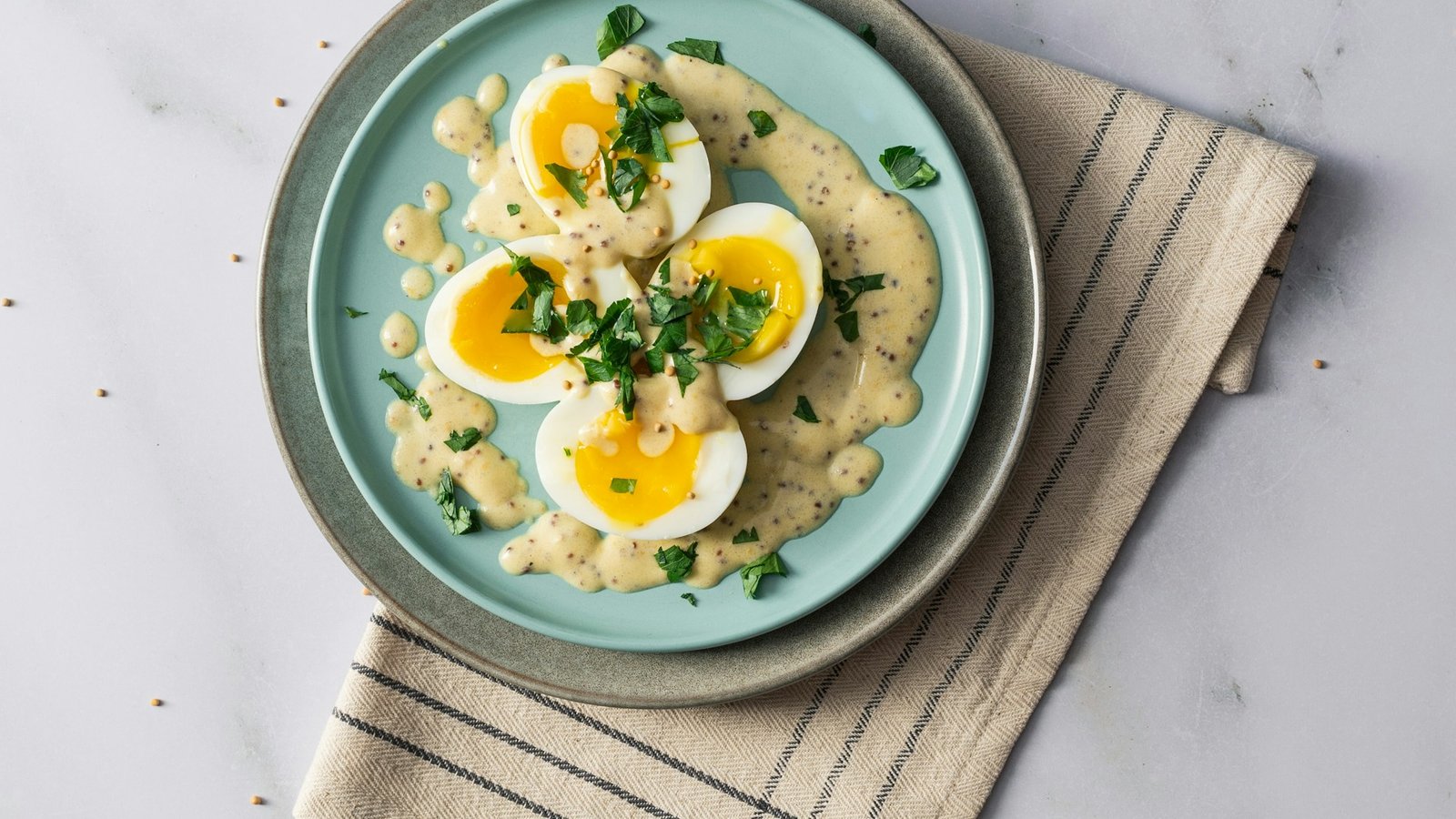
High-protein snacks, drinks and desserts are everywhere, but extra protein does not automatically make a product healthier. Here is what matters beyond the front-of-pack claim.
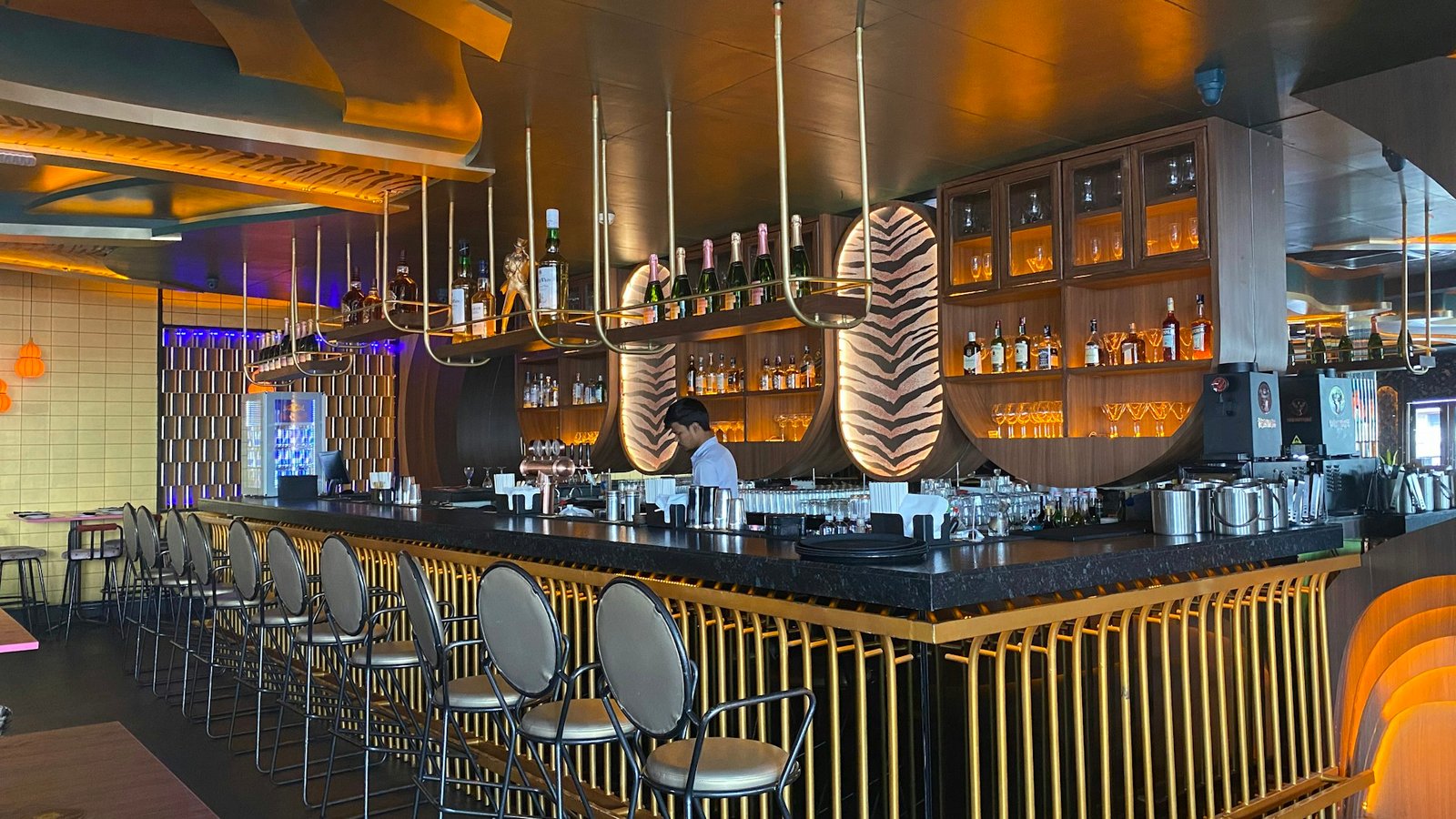
Whether it’s a timeless classic or an innovative signature creation, these cocktail bars are redefining India’s drinking culture—one perfectly crafted glass at a time.
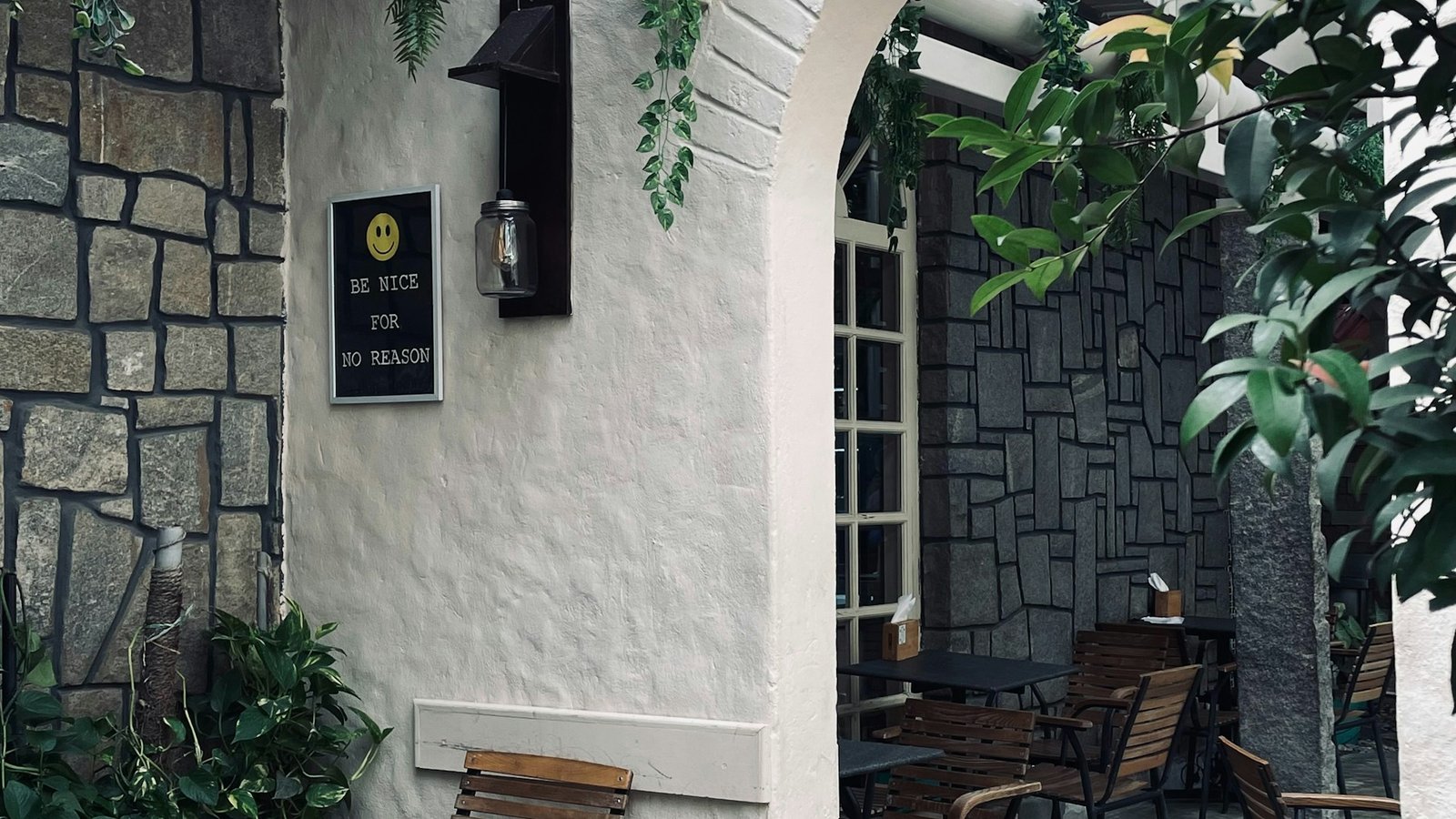
“A good café tells you something about the city it’s in — sometimes through decades of history, sometimes through a single unforgettable view.”