QR menus survived the pandemic, but good restaurant technology should remove friction rather than create it. Research points toward a more flexible hybrid approach.





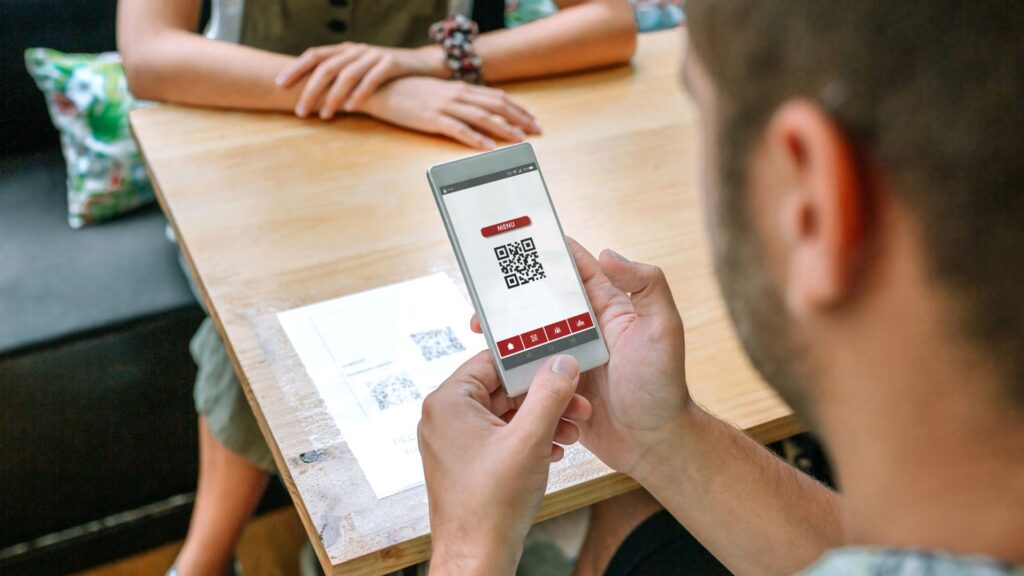
QR menus survived the pandemic, but good restaurant technology should remove friction rather than create it. Research points toward a more flexible hybrid approach.
QR code menus spread rapidly through restaurants during the pandemic because they offered a practical way to reduce shared surfaces and move information onto a customer’s own phone.
The emergency conditions disappeared.
The codes remained.
For restaurants, the appeal is understandable. A digital menu can be updated without reprinting paper. Prices and unavailable dishes can change quickly. Images, allergen information, ordering and payments can potentially sit inside the same interface.
But operational convenience for a restaurant is not automatically a better experience for every diner.
Recent hospitality research suggests the quality of the interface matters more than the novelty of the technology.
A 2026 study in the International Journal of Hospitality Management found that information quality and interactivity were important drivers of satisfaction and behavioural intention around digital restaurant menus. The 2026 digital-menu study is available through ScienceDirect.
That is a useful correction to the idea that simply putting a QR code on a table counts as innovation.
A fast, readable menu that gives clear information can remove friction.
A slow site with tiny text, poor navigation and endless scrolling simply moves the friction from the restaurant to the guest.
Other research points to the trade-off.
A 2024 study in the Journal of Hospitality and Tourism Management found that QR-code menus could reduce customer loyalty relative to traditional menus when diners perceived them as inconvenient. The effect was also influenced by customers’ desire for human interaction. Read the study abstract.
That does not mean QR menus inherently damage loyalty.
It means convenience has to be experienced by the guest, not merely claimed by the restaurant.
Two large hospitality-platform surveys illustrate the point, although neither should be mistaken for Indian consumer data.
Toast surveyed 850 US adults in September 2024. Eighty-one per cent said they preferred a physical menu, while only 1% selected a QR code as their preferred format. Small text, having to use a phone and unreliable technology were among the frustrations reported. Toast’s QR-menu survey results.
Lightspeed’s UK research reported that 85% of respondents expected physical menus in casual dining and 93% in fine dining; 35% said they specifically requested a physical menu after initially being offered a QR code. Lightspeed’s UK hospitality findings.
Those percentages describe US and UK respondents.
They should not be presented as Indian diner statistics.
A sufficiently robust, recent India-wide public survey supporting an equivalent national percentage was not located during this research pass.
There are situations where digital menus solve real restaurant problems.
A frequently changing bar menu can be updated instantly.
A café can remove an unavailable item without reprinting.
A multilingual interface can show more information than a compact paper menu.
Digital ordering can reduce queues in high-volume, counter-service environments.
Restaurants can also connect browsing, ordering and payment without requiring staff to repeat purely transactional steps.
These are real benefits when they fit the service model.
Problems begin when scanning becomes mandatory regardless of context.
A customer can have poor connectivity, low battery, an older phone, limited vision, difficulty navigating a mobile site or simply no desire to use a screen during dinner.
A QR menu can also change the social behaviour of ordering.
A printed menu is a shared object. People point to dishes, compare sections and ask questions across the table.
When every diner is sent to an individual phone, a supposedly small design choice can change the rhythm of the meal.
That matters more in restaurants where personal service is part of what the customer is paying for.
Restaurants do not need to choose between technology and hospitality.
A better system can offer both.
Keep a readable physical menu available.
Use the QR code for guests who want richer information, current availability, digital ordering or faster payment.
Let staff explain dishes when explanation improves the experience.
Make the technology optional where possible instead of turning a smartphone into a compulsory piece of cutlery.
Technology has always changed restaurants.
Online reservations replaced many phone calls. Digital point-of-sale systems replaced handwritten tickets. Contactless payments reduced the need to handle cash.
The useful technologies eventually disappear into the experience.
QR menus should be judged by the same standard.
If the guest finds the restaurant easier to understand and use, the technology is doing useful work.
If the guest has to call a waiter over to explain why the menu will not load, the restaurant has not removed friction.
It has merely relocated it.
For a wider look at how service and experience shape modern Indian restaurants, see 25 Restaurants Shaping India’s Dining Scene in 2026.

Can home tests really tell whether ghee is pure? Here’s what FSSAI’s iodine test can detect, what popular home tests cannot prove, and when laboratory testing is needed.
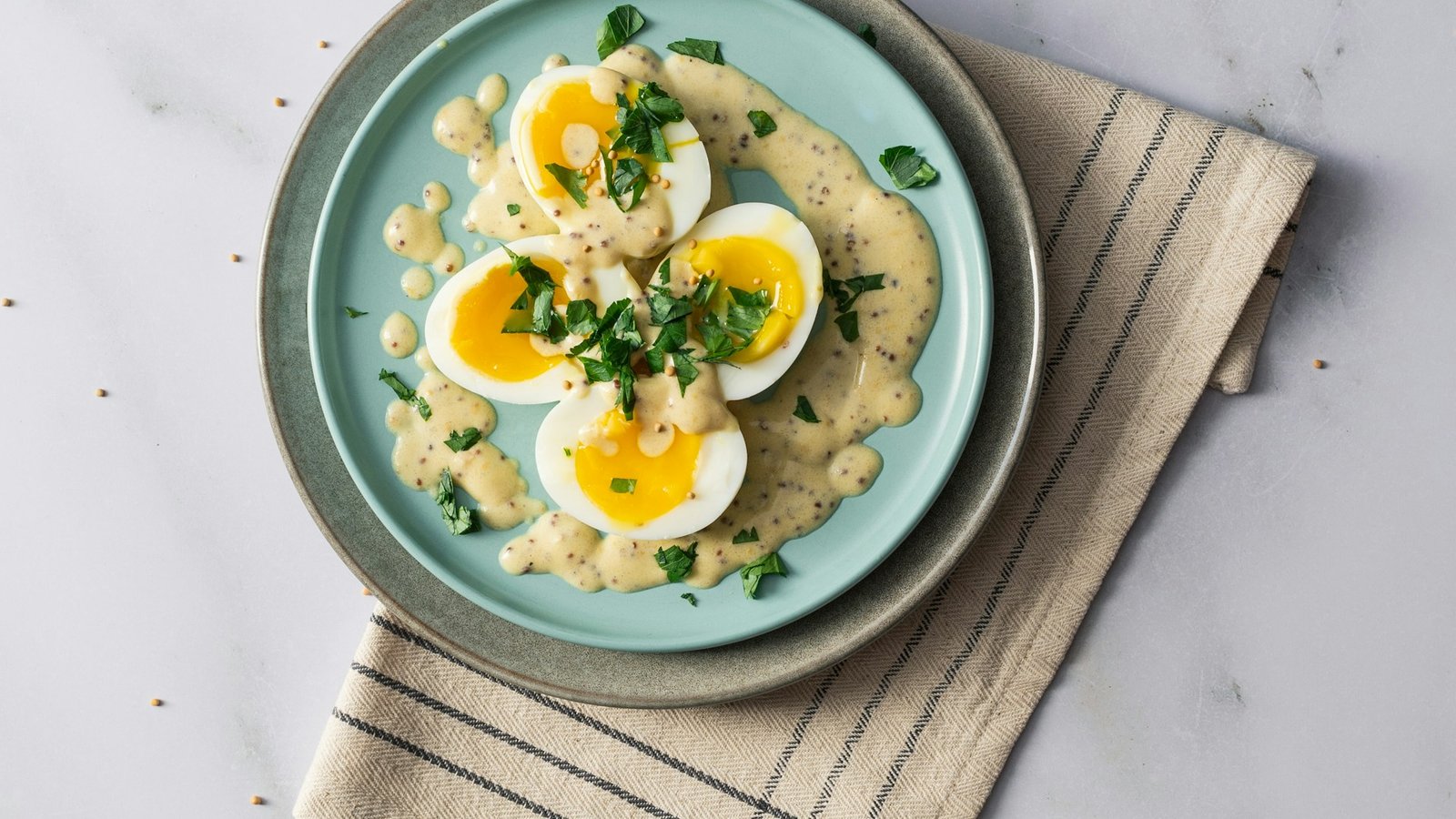
High-protein snacks, drinks and desserts are everywhere, but extra protein does not automatically make a product healthier. Here is what matters beyond the front-of-pack claim.
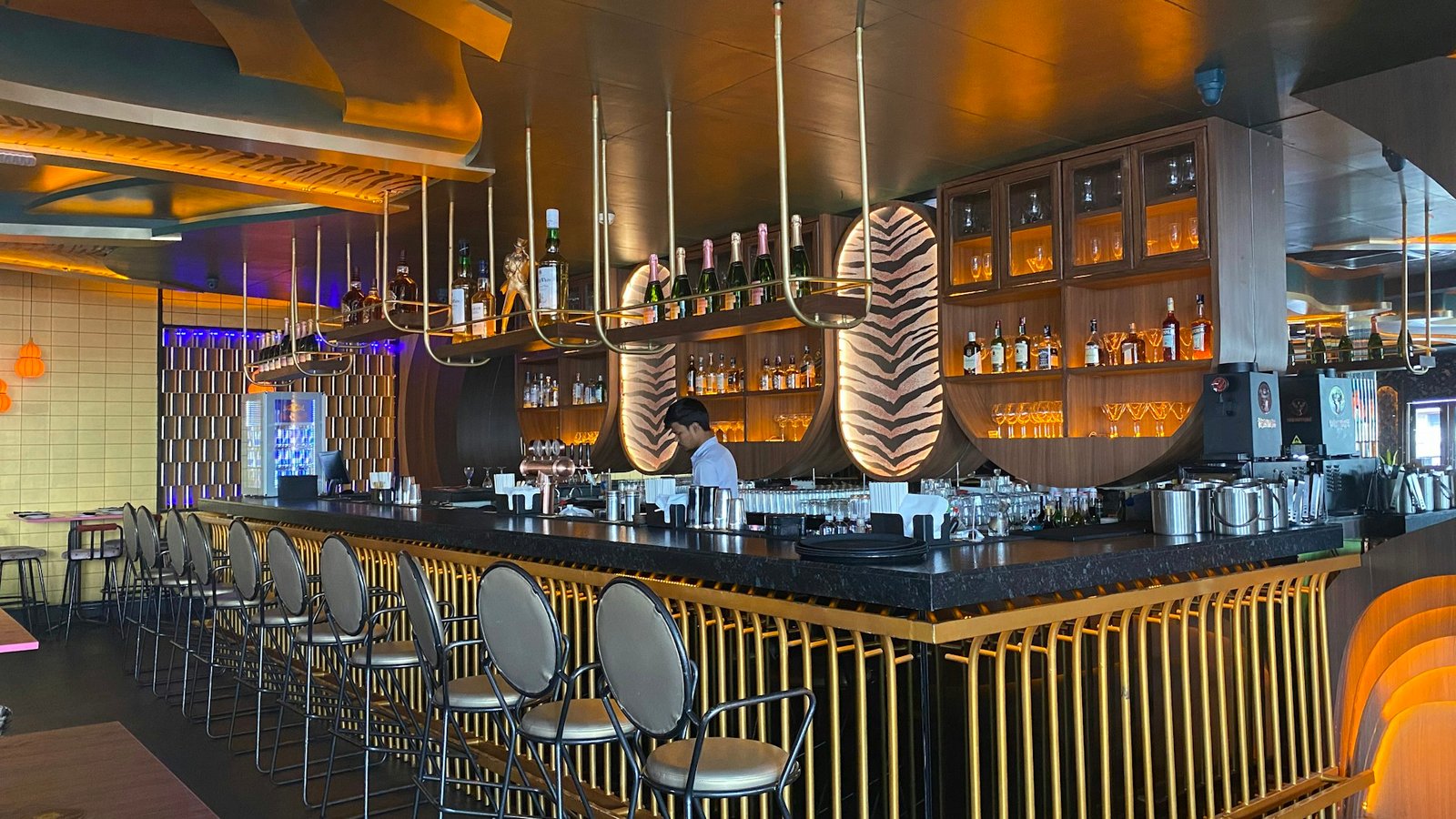
Whether it’s a timeless classic or an innovative signature creation, these cocktail bars are redefining India’s drinking culture—one perfectly crafted glass at a time.
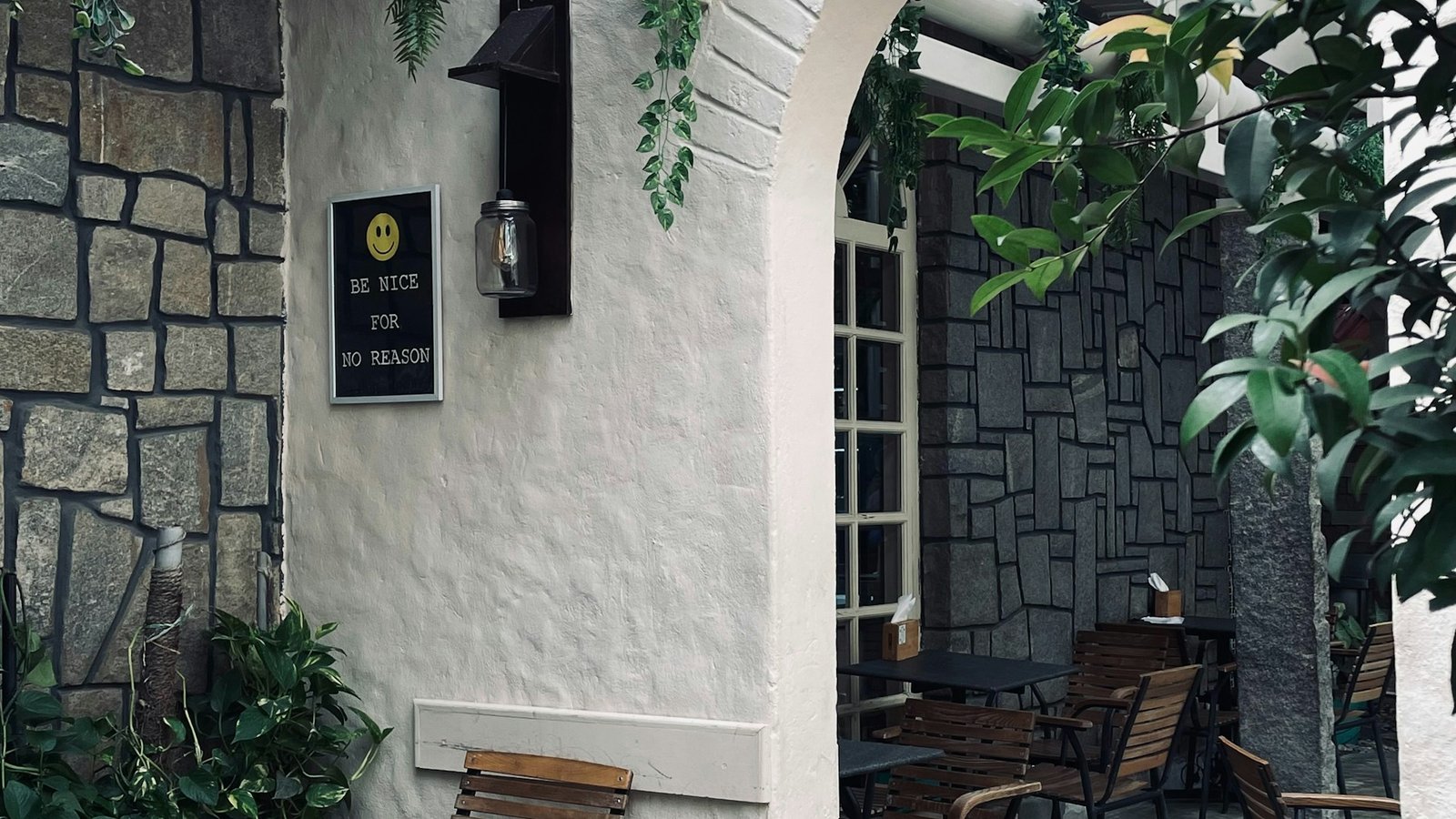
“A good café tells you something about the city it’s in — sometimes through decades of history, sometimes through a single unforgettable view.”