25 restaurants defining Indian dining in 2026 — from Masque and NAAR to Papa’s, Bukhara and Sienna. A curated map, not a ranking.





25 restaurants defining Indian dining in 2026 — from Masque and NAAR to Papa’s, Bukhara and Sienna. A curated map, not a ranking.
From a 12-seat counter in Bandra to a Himalayan destination built around mountain foodways, these restaurants offer a useful snapshot of how dining in India is changing.
India’s restaurant scene in 2026 resists a neat hierarchy. Tasting-menu destinations sit alongside neighbourhood restaurants, decades-old institutions, specialist noodle bars and dining rooms built around regional traditions.
This is The Food Eaters’ editorial selection of 25 restaurants worth knowing now, chosen for distinct food, current relevance, documented recognition and a clear point of view.
The SoBo Salad and lamb-ragù pappardelle are among the dishes associated with The Table’s long run in Colaba. Condé Nast Traveller India placed the restaurant at No. 1 in its 2025 Top Restaurant Awards, more than a decade after it opened. Its menu continues to move between small plates, pasta, vegetables and larger dishes rather than a fixed tasting-menu format.
A 10-course tasting menu anchors Masque inside one of Mumbai’s former textile mills.
The restaurant says its menus change with the seasons, using ingredients sourced from local farmers and producers as well as foraging trips. Varun Totlani leads the kitchen. In 2026, Masque reached No. 15 on The 50 Best Restaurants Asia 2026, the highest position held by an Indian restaurant on that year’s main list.
Twelve seats and a 12-course menu define Papa’s.
The restaurant currently offers vegetarian and non-vegetarian tasting menus priced at ₹8,000++ per person, excluding beverages. Chef Hussain Shahzad describes the format as “playfully Indian.” Papa’s reached No. 66 on The 50 Best Restaurants Asia 2026 51–100 list and was named Best Restaurant of the Year at the NDTV Food Awards 2026.
Seasonal interpretations of regional Indian recipes remain central to The Bombay Canteen more than a decade after it opened.
The restaurant describes its food as a way of showcasing India’s culinary diversity through frequently changing menus, while its cocktail programme draws repeatedly on Bombay’s history and culture. That combination of food and bar storytelling remains central to the restaurant’s identity at Kamala Mills.
Beryl’s fish curry uses dried mango and kokum-coconut curry. Prawn who-maan combines turmeric, coconut and tirphal oil. Choriz chilli fry is tucked into poee.
Those dishes make O Pedro’s Goan vocabulary immediately visible. Its current menu also gives poee a section of its own, alongside seafood, curries and preparations shaped by Goa’s regional and Portuguese influences.
Ramen, sushi and sashimi still sit at the centre of Izumi’s Mumbai menu.
Culinary Culture reports that chef-owner Nooresha Kably went to Japan to study sushi-making and later learned about ramen; it also lists pork ramen, salmon scorched nigiri, sashimi salad and hamachi truffle ponzu among her signature dishes.
The Bandra restaurant is on Linking Road, keeping its focus on Japanese cooking rather than expanding into a broad pan-Asian menu.
Pizza, pasta and Italian-American cooking have remained at the centre of Americano since Alex Sanchez and Mallyeka Watsa opened the restaurant in 2019.
Its Kala Ghoda address places it among South Mumbai’s galleries and offices rather than inside a hotel or dining complex. In 2026, NDTV Food named Americano Best Italian Restaurant of the Year.
Potato chaat with black truffle and green jackfruit with XO balchao and sanna appear in Indian Accent’s own current menu material.
The restaurant describes its approach as combining Indian flavours and traditions with global ingredients and techniques. Its Delhi dining formats include à la carte service alongside four- and six-course tasting menus.
Alaskan king crab with raj kachori, udon with Khasi curry, and corn raab with soba and Naga smoked pork appear in INJA’s own restaurant gallery.
Chef Adwait Anantwar developed the restaurant around Indian and Japanese culinary references, bringing the two together within individual dishes rather than treating them as separate menu sections. In 2026, INJA reached No. 75 on The 50 Best Restaurants Asia 2026 51–100 list.
Baoshuan’s menu was developed under Andrew Wong, whose London restaurant A. Wong holds two Michelin stars.
The Oberoi frames the food through different periods and regions of Chinese culinary history, from Buddhist temple traditions and Suzhou tea houses to Shanghai and modern Hong Kong. That historical framework gives the menu a more defined point of view than a broad luxury-hotel Chinese offering.
Lemon gunpowder idli and arbi ghee roast appear among Comorin’s small plates, while its broader menu moves across several Indian regional traditions.
The restaurant’s drinks programme includes house-made liquors, infusions and fermentations, making the bar part of the concept rather than an add-on to the food. Comorin is located at Two Horizon Center on Golf Course Road in Gurugram.
ITC Hotels dates Bukhara’s opening to 1978.
The restaurant remains closely associated with tandoor cooking; ITC highlights Dal Bukhara, Sikandari Raan, chargrilled vegetables and the oversized Naan Bukhara among its signatures. Stone walls, rough timber, carpets, copper vessels and earthenware remain part of the dining room’s visual language.
Nearly five decades after opening, Bukhara is also a useful reference point for an earlier era of luxury Indian restaurant dining.
Slow cooking in dough-sealed handis gives Dum Pukht both its name and its central technique.
ITC describes the restaurant as drawing from the culinary legacy of the Awadhi Nawabs, with biryanis, kakori kebabs, breads and slow-cooked preparations at the core of the format. At ITC Maurya, dinner is served daily, with weekend lunch also listed by the hotel.
Mustard ice cream with tomato tartare, cauliflower crème brûlée with walnut chikki and celeriac finished with prune-tea syrup are among the dishes Tatler Asia highlights at NĀVU.
The restaurant’s own site describes a menu based on locally sourced ingredients and lists its current home on MG Road. Chefs Pallavi Menon and Kanishka Sharma allow the menu to move across techniques and influences without assigning it to one national cuisine.
A 33-acre estate surrounds FarmLore outside central Bengaluru.
The restaurant currently offers a five-course weekday lunch and a ten-course tasting menu for dinners and weekend lunches. Its own booking material places seasonality and wood-fire cooking at the centre of both formats, and guests are invited to arrive early enough to spend time on the farm before being seated.
A dedicated salumeria and gelato station sit inside LUPA’s MG Road restaurant.
The salumeria handles imported and house-cured meats. LUPA’s own website says its gelato station churns fresh gelato daily using a vintage Cattabriga machine sourced from Rimini, Italy.
The same space includes a wine programme and a European-style kitchen, giving the restaurant several specialist operations under one roof.
Naru is a 20-seat noodle bar built around ramen.
The project began as a delivery-only kitchen in 2020 before becoming a permanent counter restaurant in Bengaluru. Its current reservation system runs Tuesday through Sunday, with online bookings required and ramen still explicitly identified as the focus of the menu.
Bengaluru Oota Company now operates across two floors, with seating configured for small tables as well as larger groups of more than 10; the restaurant says the space can accommodate gatherings of 50 or more. Dining remains by reservation, with at least 24 hours’ notice requested.
The food draws on Karnataka family recipes and seasonal market produce. Meals are served family-style on banana leaves, with the restaurant explaining the regional roots and family stories attached to individual dishes.
Mahi mahi tataki, Burmese fried chicken and spicy prawn curry are among the dishes Tatler Asia identifies at Bomras, which it included in its Best 20 Restaurants India 2026 selection.
Chef-owner Bawmra Jap brings his Kachin heritage from Myanmar into the restaurant, while ingredients grown in Bomras’s own garden also feed into the kitchen and bar. Bomras is in Anjuna, where that garden remains part of the restaurant’s sourcing story.
At Grumps, the restaurant’s own menu groups food into bar nibbles, sharing plates, bigger plates and desserts, with the kitchen describing its direction simply as Asian-inspired food built for sharing.
The bar sits in Sangolda, away from Goa’s denser beachside restaurant clusters, and positions food and cocktails as equal parts of the experience rather than treating one as support for the other.
Chicken-liver pâté with toast, pork belly with apple sauce, smoked-duck-and-cheddar croquettes and gnocchi with pumpkin purée and goat’s cheese appear on Praça Prazeres’ current menu listings. District’s 2026 restaurant page places the bistro in a converted home in Panaji and identifies chef Ralph Prazeres as the name behind the kitchen.
The European bistro vocabulary of the menu sits within a Goan residential setting rather than a purpose-built hotel dining room.
Potato cracker with tamarind-ghee glaze, coriander chicken with mini appam, spiced aubergine with Byadgi chilli emulsion and raw-mango pudding with a ghee candle all appear among Avartana’s signature dishes on ITC Hotels’ own restaurant material.
The restaurant builds multi-course menus around ingredients and flavour references from southern India. Condé Nast Traveller ranked Avartana No. 8 in its 2025 national restaurant list, and the NDTV Food Awards named it Most Innovative Indian Restaurant of the Year in 2026.
NAAR sits in the Himalayan foothills, away from India’s major restaurant cities.
Chef Prateek Sadhu has described the restaurant’s purpose as telling stories from India’s mountain regions through their produce, food traditions and rituals. In 2026, NAAR reached No. 30 on The 50 Best Restaurants Asia 2026, making it one of two Indian restaurants in the main top 50 that year.
An eight-seat upstairs tasting room called Rannaghor sits above Sienna’s Hindustan Park restaurant.
Sienna describes its 13-course menu as an exploration of Bengal on both sides of the India-Bangladesh border, using food to examine memory, migration, community and microregional cooking. The Rannaghor experience is currently priced at ₹4,500 per person, including taxes and service charge.
Gucchi caviar with dosa shards, rajma galouti, sangri ki shammi and Jodhpuri paneer marinated with Mathania chilli all appear on The Johri’s vegetarian menu.
The restaurant occupies a restored haveli inside Johri Bazaar, placing a contemporary vegetarian menu within one of Jaipur’s historic commercial neighbourhoods.
The restaurants on this list share very little structurally.
Masque and NAAR ask diners to commit to tasting menus. Naru concentrates on ramen. Bengaluru Oota Company builds meals around Karnataka family traditions and advance reservations. Bukhara has stayed close to the tandoor cooking that established it. Sienna connects food with craft and cultural research. O Pedro looks to Goan breads, seafood and regional preparations from within Mumbai.
That range is more revealing than any single claim about where Indian dining is headed.
The 50 Best Restaurants Asia 2026 includes Masque at No. 15 and NAAR at No. 30 in its main top 50, with Papa’s at No. 66, The Table at No. 73 and INJA at No. 75 on the 51–100 list.
But many restaurants shaping dining within India operate outside international rankings altogether.
This list is best read as a map rather than a podium: 25 restaurants offering distinct reasons to pay attention to India’s dining scene in 2026.
Details confirmed as of September 2026. Always check current hours, menus and reservation policies before visiting.
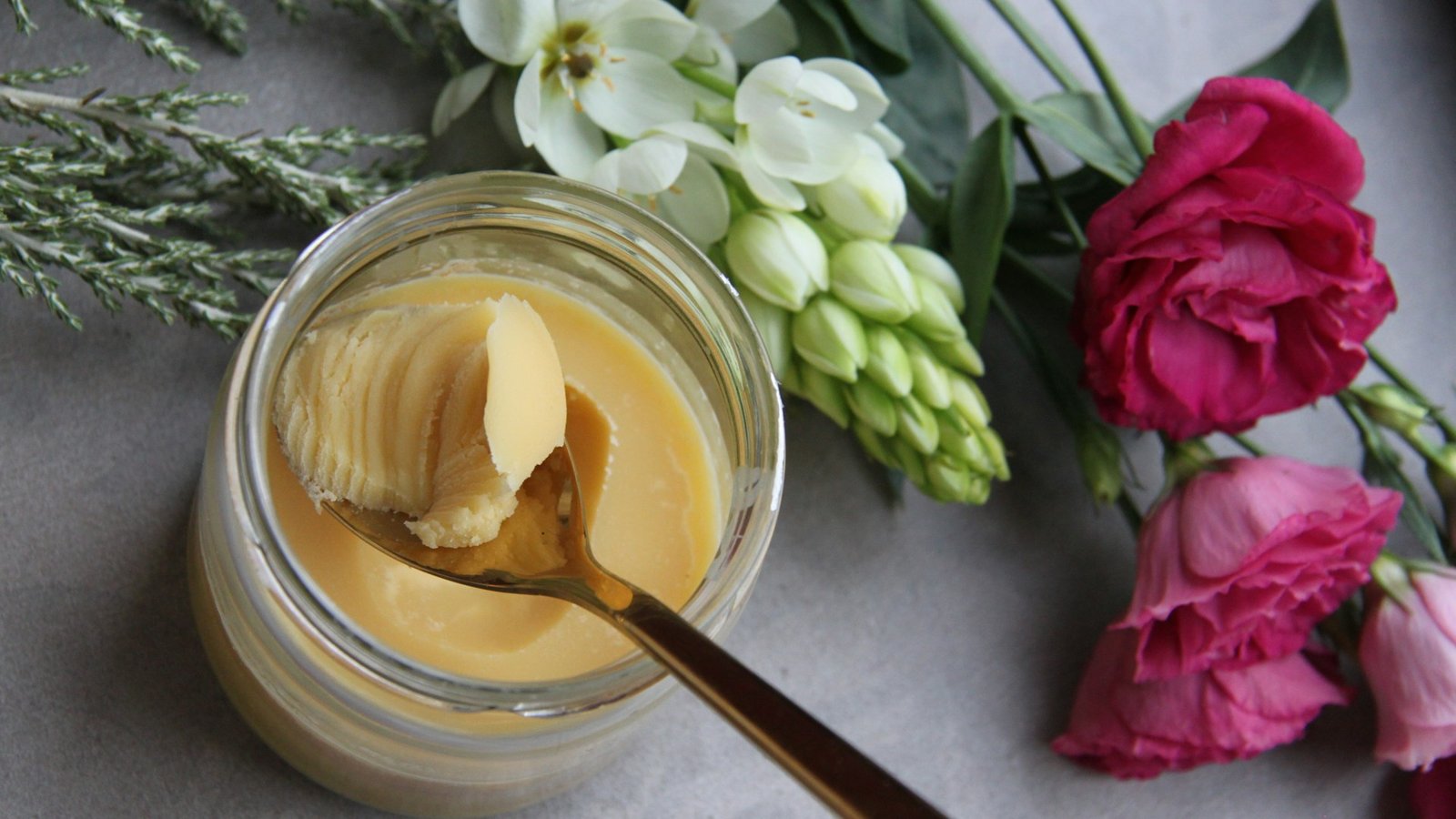
Can home tests really tell whether ghee is pure? Here’s what FSSAI’s iodine test can detect, what popular home tests cannot prove, and when laboratory testing is needed.
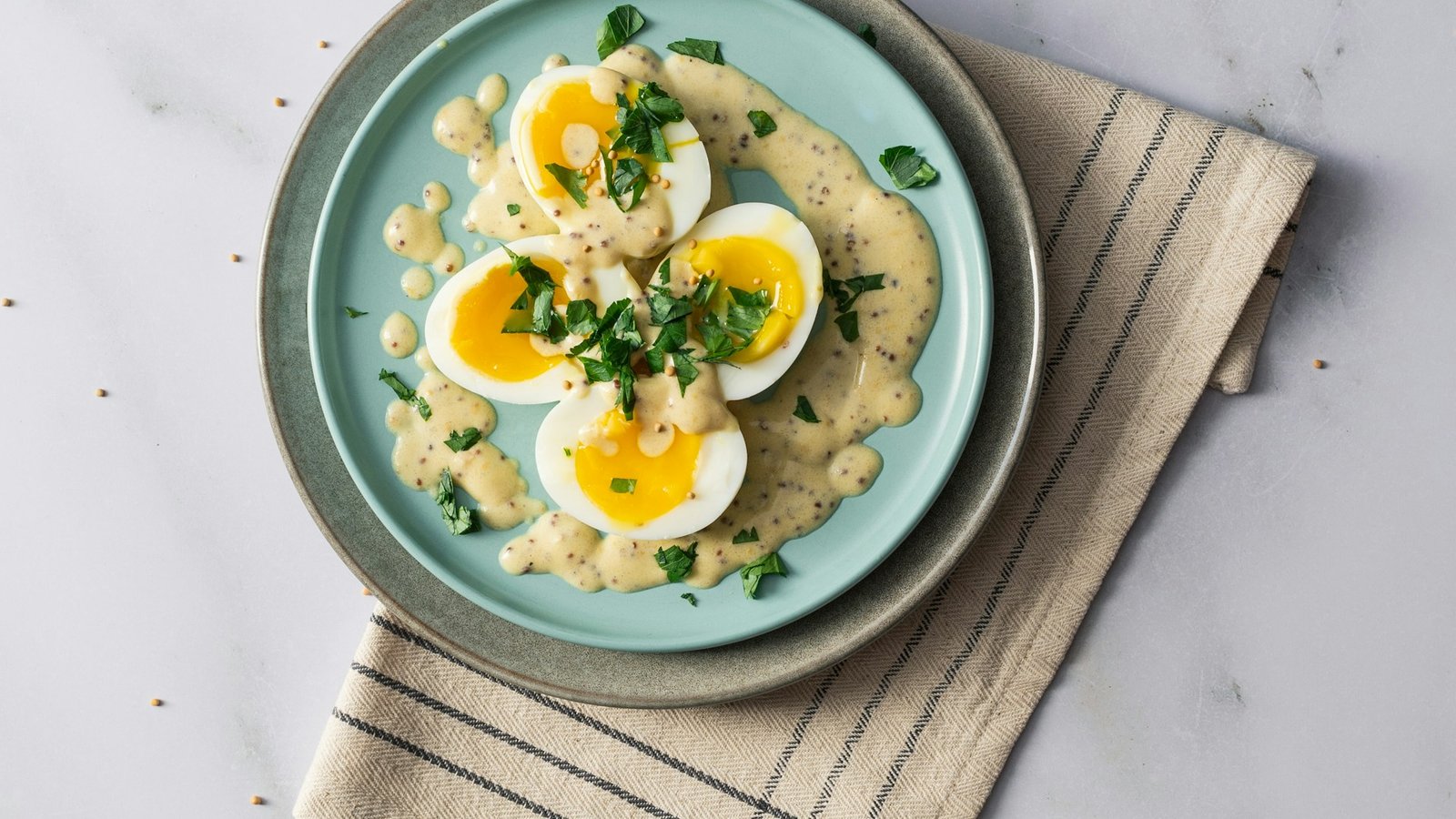
High-protein snacks, drinks and desserts are everywhere, but extra protein does not automatically make a product healthier. Here is what matters beyond the front-of-pack claim.
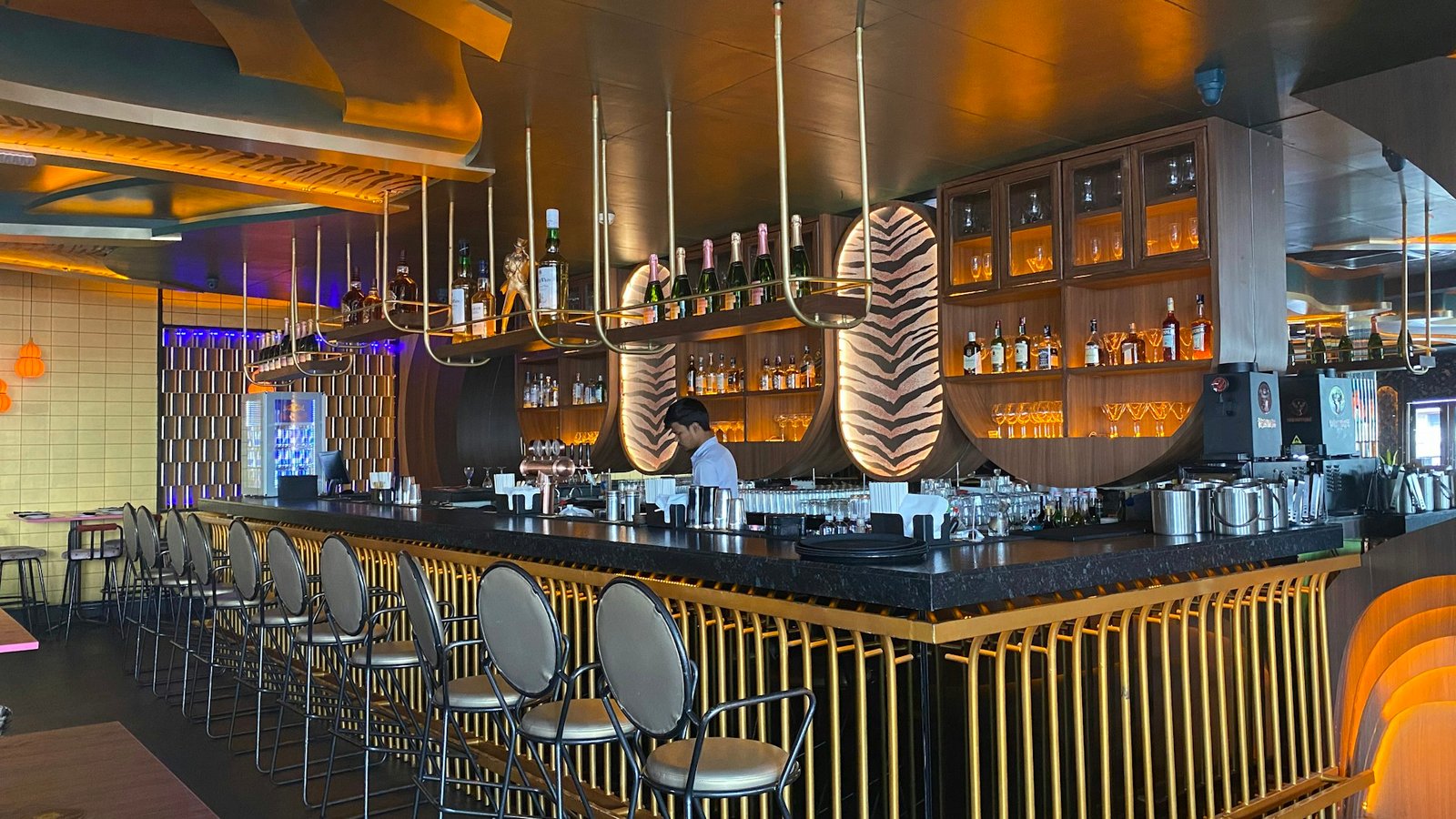
Whether it’s a timeless classic or an innovative signature creation, these cocktail bars are redefining India’s drinking culture—one perfectly crafted glass at a time.
“A good café tells you something about the city it’s in — sometimes through decades of history, sometimes through a single unforgettable view.”