Goa’s food culture reaches far beyond beach shacks. This 2026 guide connects classic Goan dishes and Panjim institutions with the newer restaurant scene in North Goa.




Goa’s food culture reaches far beyond beach shacks. This 2026 guide connects classic Goan dishes and Panjim institutions with the newer restaurant scene in North Goa.
Goa is easy to reduce to a few familiar images: fish curry near the beach, prawns at sunset and a cold drink by the sea. The state’s food culture is much broader. It reflects local Konkani traditions, Catholic Goan cooking, Portuguese influence, regional breads, coastal produce and a restaurant scene that now extends well beyond the beach belt.
A useful food trip should therefore begin with the cuisine rather than a giant restaurant checklist. The Goa government’s overview of local food identifies rice with fish curry as a staple and highlights dishes such as xacuti, sorpotel and bebinca, along with Goa’s extensive use of coconut, spices and vinegar. That background is a better starting point than trying to chase every fashionable opening.
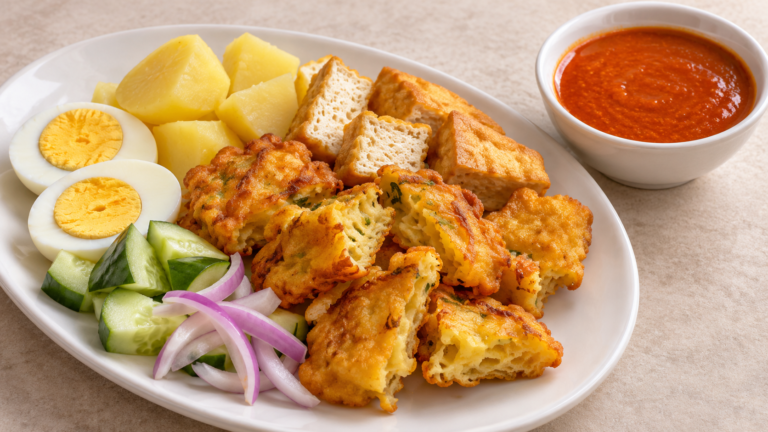
Fish curry and rice is one of the clearest entry points into everyday Goan cooking. The details vary by household and restaurant, but the balance of fish, spice, coconut and souring agents such as tamarind or kokum is central to many versions.
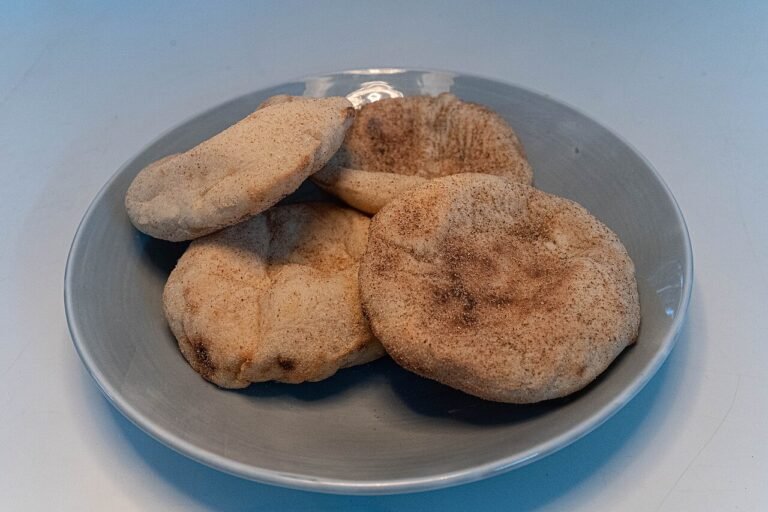
Xacuti is richer and more aromatic, built around roasted spices and coconut. Cafreal brings a greener, herb-led profile. Sorpotel belongs to the slower-cooked Catholic Goan repertoire, while prawn balchão is sharper and more pickle-like. For dessert, bebinca remains one of Goa’s best-known traditional sweets. Local bread matters too: pão and poie are part of everyday eating, not just decorative additions to a restaurant table.
The goal is not to order every famous dish in one sitting. It is to notice how the same pantry changes between Hindu Goan, Catholic Goan and contemporary restaurant kitchens.
Panjim works particularly well for travellers who want variety without spending the day crossing the state. A September 2026 Condé Nast Traveller India guide to Panjim includes long-running Goan institutions alongside newer cafés, bars and restaurants, illustrating how the city now supports several generations of dining at once.
For a traditional seafood meal, Ritz Classic remains strongly associated with the city’s fish-thali culture. Kokni Kanteen, established in 1972 according to the same current guide, is another useful reference point for Goan dishes such as fish thali, xacuti, cafreal and ambotik.
Breakfast and snack culture deserve their own meal. The same Panjim guide includes Café Bhonsle and Café Tato, while the newer side of the city is represented by places such as Bombil, Larder + Folk, Miguel’s and Padaria Prazeres.
That mix is what makes Panjim useful: a visitor can move from a thali or local café to a bakery or contemporary bar without pretending that only one of those formats represents “real” Goa.
Assagao, Siolim, Vagator and the surrounding North Goa belt have become home to a growing number of chef-led restaurants, cafés, bars and concept spaces. The list changes more quickly than the older institutions do.
A July 2026 Condé Nast Traveller India report on new Goa restaurants documents that continuing shift, including openings across Goa that move well beyond the old beach-shack stereotype.
Recent coverage has also included newer addresses around Assagao and other North Goa neighbourhoods, such as Brooklyn Bardez and Kesar Bagh. These are examples of why the North Goa section of any guide should be treated as time-sensitive rather than permanent.
When planning dinner, choose one neighbourhood and stay there for the evening. Goa’s map can make short distances look deceptively easy; traffic can turn a three-restaurant wish list into a transport itinerary.
A common mistake on a food-focused trip is to reserve every lunch and dinner at a destination restaurant. A simple thali, bakery breakfast or neighbourhood snack can be just as useful for understanding the local food culture.
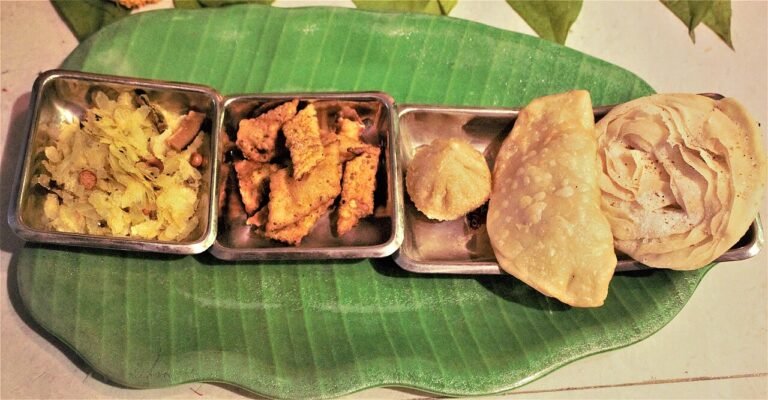
Look beyond seafood too. Goa’s food traditions include vegetables, legumes, breads and festival dishes, and the state government’s food overview specifically notes khatkhate, a mixed-vegetable preparation associated with local celebrations.
Start in Panjim with breakfast at a local café or bakery. Keep lunch focused on regional Goan food — a fish thali or another traditional meal is enough. Use the afternoon to walk, visit markets or take a break rather than turning the day into continuous eating.
For dinner, choose one part of North Goa — Assagao, Siolim or Vagator — and make a reservation there if the restaurant recommends it. If you are staying in South Goa, the same rule applies in reverse: prioritise nearby regional restaurants and travel north only for a specific booking that justifies the drive.
Goa’s restaurant schedules can be seasonal, and independent venues may close on particular weekdays or for part of the monsoon. Current guides are useful for discovery, but direct confirmation from the restaurant is still the best final check before a long detour.
The most balanced Goa food itinerary mixes formats: one regional institution, one everyday café or bakery, and one newer restaurant. That produces a broader picture of the state than a list built only around beach views or social-media popularity.