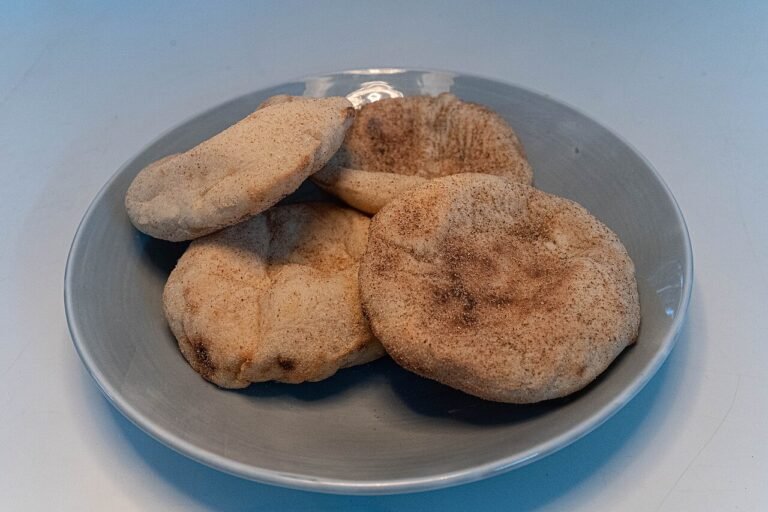
From the bran-coated poee to the ring-shaped kakon, Goa’s breads tell the story of a neighbourhood trade built around the oven, the delivery round and the dinner table.
Goan Bread and the Poder Who Brings It to the Door
In Jeanette Gonsalves’s study of Goan foodways, the baker announces his arrival with a bamboo staff fitted with loose metal discs. Gonsalves remembers the sound from childhood visits to Goa. The baker, known in Konkani as the poder, brings a basket of fresh bread from door to door. In the households described in her research on food and foodways, the morning round was part of how people got breakfast.
Goan bread makes more sense when you start with that delivery round. A bran-coated poee can be split and filled. A soft pão can go beside a bowl of curry. Behind both is a baker making decisions about the dough, the oven and when to send the bread out.
How the poder made bread part of everyday Goa
Researchers N. Gomes and A. Deshmukh, writing in The Goan Pão: A Cultural Identity, trace this style of oven-baked bread to Portuguese colonial rule. They identify Salcete villages including Majorda, Utorda and Cansaulim with family-run bakeries, and trace the Konkani poder to the Portuguese padeiro, meaning baker. Rice was already a staple. Bread found its own place at the table as bakers took it into neighbourhoods and households made meals around it.
The researchers describe two local features of the trade: dough leavened with fresh palm toddy and baking in a wood-fired mud oven. Fresh toddy came from another skilled worker, the tapper. A bakery using it depended on someone being able to collect and supply the sap, as well as on someone knowing how to work it into the dough.
Poee, pão, unddo and kakon
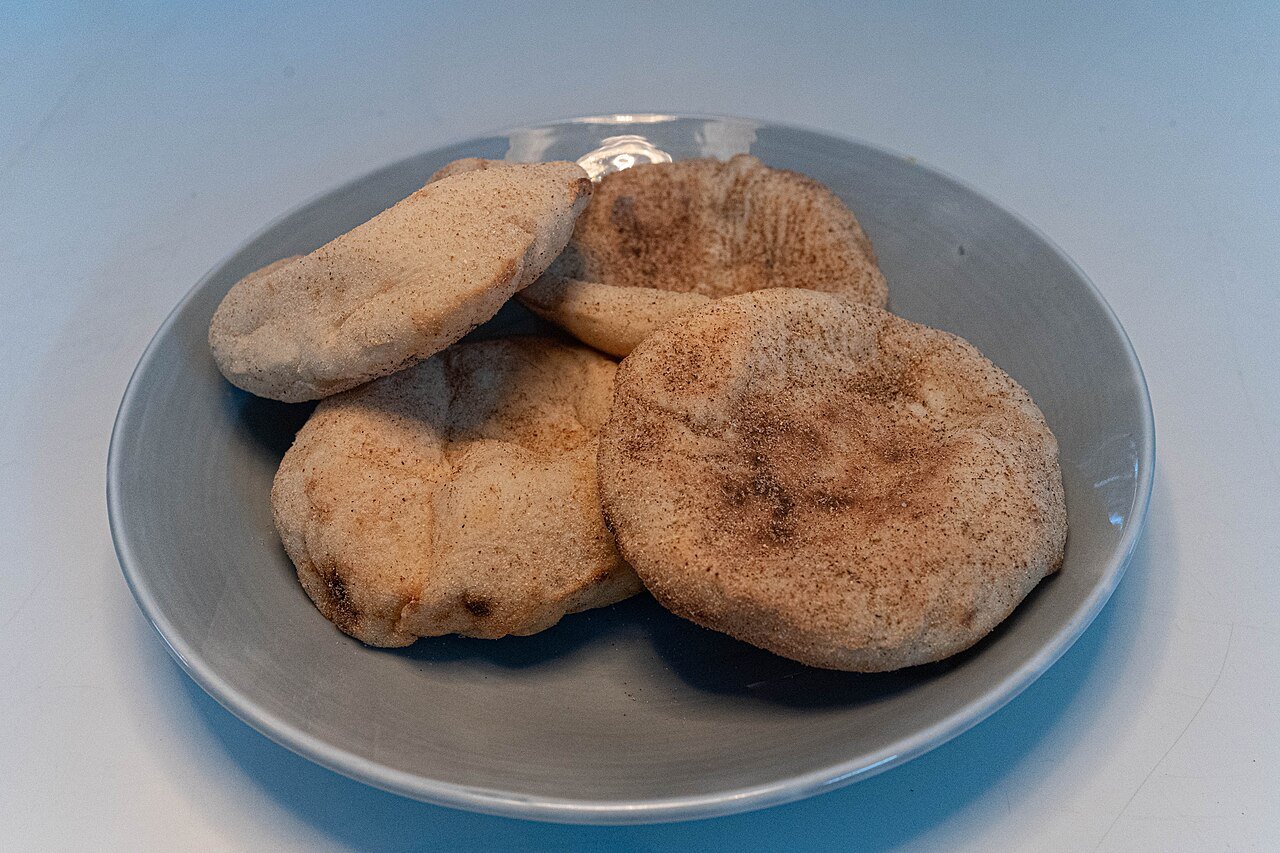
Poee, also written poi or poie, is a round, bran-coated bread that can puff into a pocket. It can hold a filling or be torn into pieces to pick up gravy. Pão, often written pao, is the softer roll. NITI Aayog’s guide to Indian cultural heritage distinguishes the two and describes Goan bread served with ros omelette, an omelette with a spiced gravy. The bread does the work that a spoon would otherwise do.
Unddo, also spelled undho, is a round loaf with a crisp crust and a score down the centre. Kakon, or kankon, is shaped like a bangle. Goan chef Pablo Miranda describes the two breads in The Established. The four names turn up together in a 2013 Goa government gazette on assistance for traditional bakers. The notice treats fresh bread as an everyday supply that the state wanted to keep affordable and available.
What changes when the bakery changes
Fresh toddy is harder for bakers to source today, according to Agapito Menezes, president of the All Goa Bakers Association, who told The Times of India in April 2026 that fewer tappers and the demands of larger-scale production helped drive the shift to commercial yeast. A poee can keep its familiar shape and bran coating even as the fermentation changes.
That same report said Goa’s Directorate of Science and Technology had started the process of seeking geographical indication protection for pão, poee and unddo. One question raised by that effort is what the name should tell a buyer. The shape is easy to recognise. The flour, the way the dough rises and the kind of oven used take a conversation with the baker.
If you’re at a Goan bakery, ask what has just come out of the oven and how the baker likes to eat it. That can tell you which loaf to take home and give you a sense of the trade behind it. For a different Goan breakfast tradition, read about fov, the flattened rice prepared for Diwali.
Photograph: Karthik Rangappa via Wikimedia Commons, CC BY 2.0. Resized for web.