Delivery apps did more than move restaurant orders online. They changed how restaurants find customers, structure menus, manage demand and think about digital distribution.





Delivery apps did more than move restaurant orders online. They changed how restaurants find customers, structure menus, manage demand and think about digital distribution.
Food delivery used to sit at the edge of the restaurant business.
For many restaurants in India, it is now part of the core operating model.
The scale is visible in the platforms themselves.
Swiggy reported food-delivery Gross Order Value of ₹9,490 crore in Q1 FY27, up 18% year on year. Earlier in 2026, the company said its food-delivery business had reached 18.3 million monthly transacting users and worked with more than 2.7 lakh restaurants across more than 720 cities. Swiggy’s current corporate reporting documents that scale.
Eternal says Zomato had more than 27 million average monthly transacting customers and over 300,000 average monthly active food-delivery restaurant partners in Q1 FY27. Eternal’s current customer metrics provide that context.
Those figures do not tell us whether every individual restaurant benefits equally from delivery.
They do establish that app-based ordering has become a major part of India’s restaurant ecosystem.
A restaurant once depended heavily on its street location, signage, neighbourhood reputation and word of mouth.
Delivery platforms added another storefront: the listing inside an app.
That changed what customers see before they ever encounter the dining room.
A restaurant’s photographs, menu descriptions, price points, ratings, delivery estimate, offers and app visibility can all influence whether an order is placed.
For smaller restaurants, platforms can provide access to customers well beyond the people who physically pass the outlet.
But digital discovery also means restaurants compete inside an environment whose rules are partly controlled by the platform.
Not every restaurant dish survives a journey equally well.
Crisp food softens. Frozen desserts melt. Sauces leak. Carefully plated food can arrive looking very different from the version served at the restaurant.
That forces delivery-oriented menu decisions.
Restaurants may change packaging, portioning and preparation. They may remove items that travel badly or develop dishes designed specifically for delivery.
The menu therefore becomes an operational tool, not simply a list of what the kitchen knows how to cook.
Delivery platforms now do much more than transmit an order.
In August 2026, Swiggy introduced Guru, an AI assistant inside its restaurant-partner app. The company says the system lets restaurant partners examine payouts, campaign performance, sales, orders, average order value and other metrics, as well as manage advertisements, discounts and menu information. Swiggy’s newsroom describes Guru for restaurant partners.
It is a revealing example of how the relationship has changed.
The delivery app is becoming part marketing channel, part ordering system, part analytics dashboard and part restaurant-management interface.
The growth of delivery has also produced long-running disagreements between restaurants and platforms.
The issues include commissions, advertising expenditure, visibility, discounting and access to customer relationships.
These concerns should not be reduced to one universal commission percentage because commercial arrangements differ.
But restaurant-industry organisations have openly pushed for alternative structures.
In February 2026, the National Restaurant Association of India promoted Ownly by Rapido to its members as a zero-commission, flat-fee delivery model after a Bengaluru pilot. NRAI’s Townhall description sets out the Ownly model.
The existence of that initiative does not prove that it will replace Swiggy or Zomato.
It demonstrates that restaurants are still actively negotiating what a sustainable relationship with delivery intermediaries should look like.
Another shift is the blurring of delivery and eating out.
Swiggy operates both food delivery and Dineout, while Zomato sits inside Eternal alongside other consumer businesses.
Restaurants can encounter the same customer through discovery, reservations, offers, dine-in payments and delivery.
The result is a restaurant economy where the digital relationship often begins before the customer decides whether to eat at home or at a table.
“Forever” is impossible to establish.
But several changes now look structural.
Restaurants have had to think seriously about digital discovery, menu photography, delivery-friendly food, packaging, platform economics, data and online customer acquisition.
None of this makes the dining room obsolete.
Restaurants still build loyalty through food, service, atmosphere and human interaction—things a delivery interface cannot reproduce.
The more accurate conclusion is that food delivery apps did not replace restaurants.
They turned restaurants into businesses operating simultaneously in physical and digital marketplaces.
That shift sits alongside the wider changes explored in 25 Restaurants Shaping India’s Dining Scene in 2026.

Can home tests really tell whether ghee is pure? Here’s what FSSAI’s iodine test can detect, what popular home tests cannot prove, and when laboratory testing is needed.
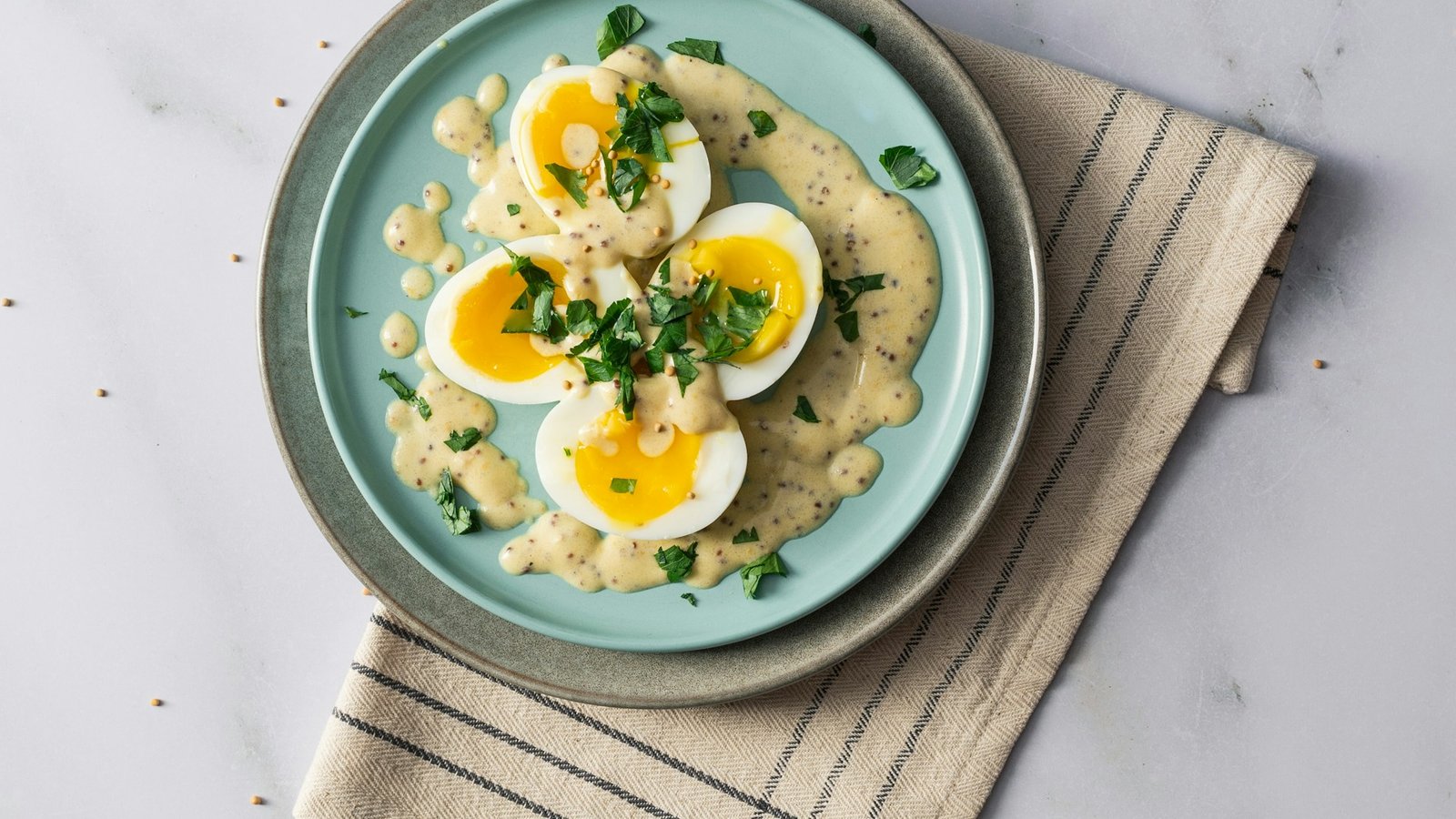
High-protein snacks, drinks and desserts are everywhere, but extra protein does not automatically make a product healthier. Here is what matters beyond the front-of-pack claim.
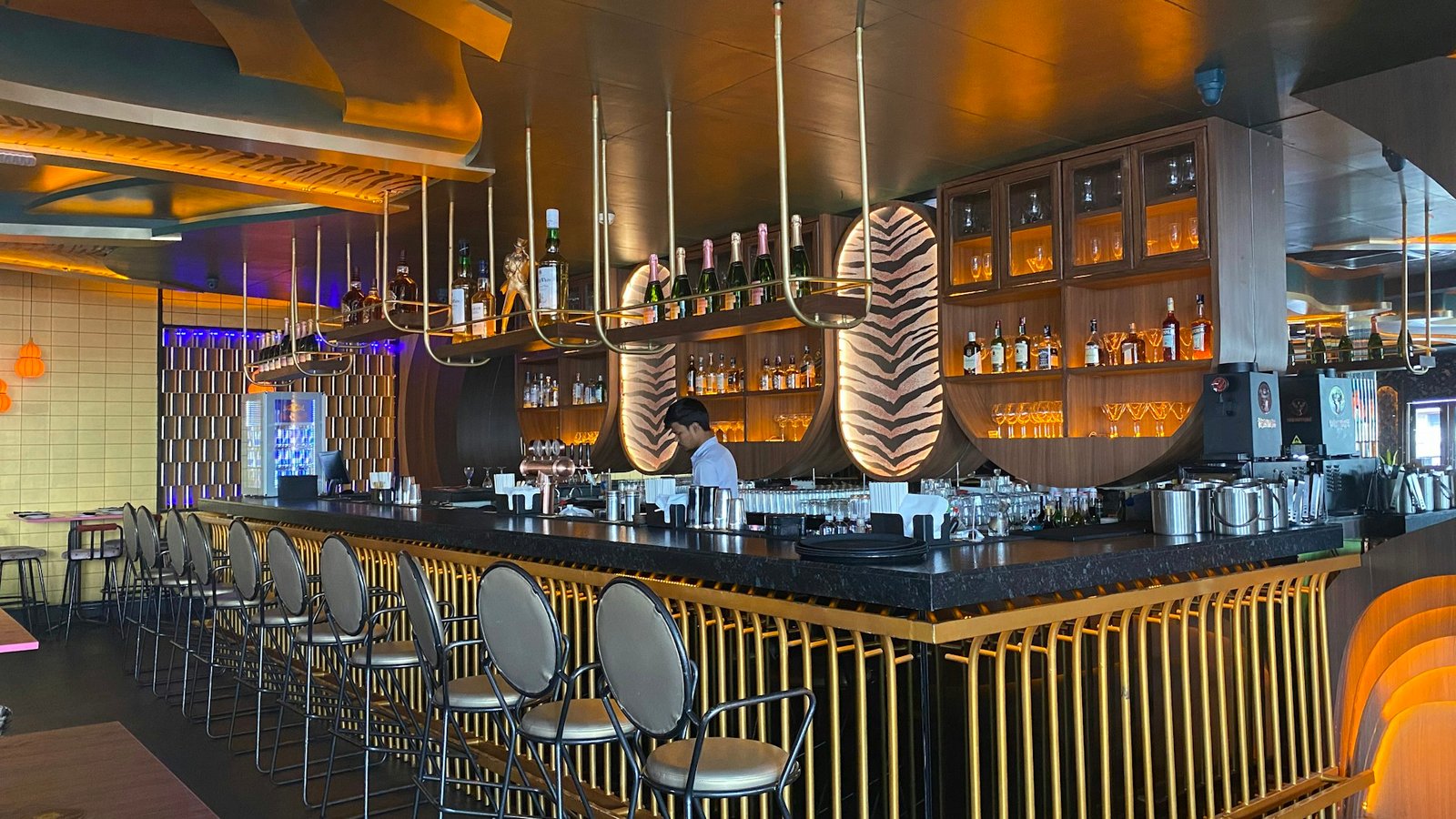
Whether it’s a timeless classic or an innovative signature creation, these cocktail bars are redefining India’s drinking culture—one perfectly crafted glass at a time.
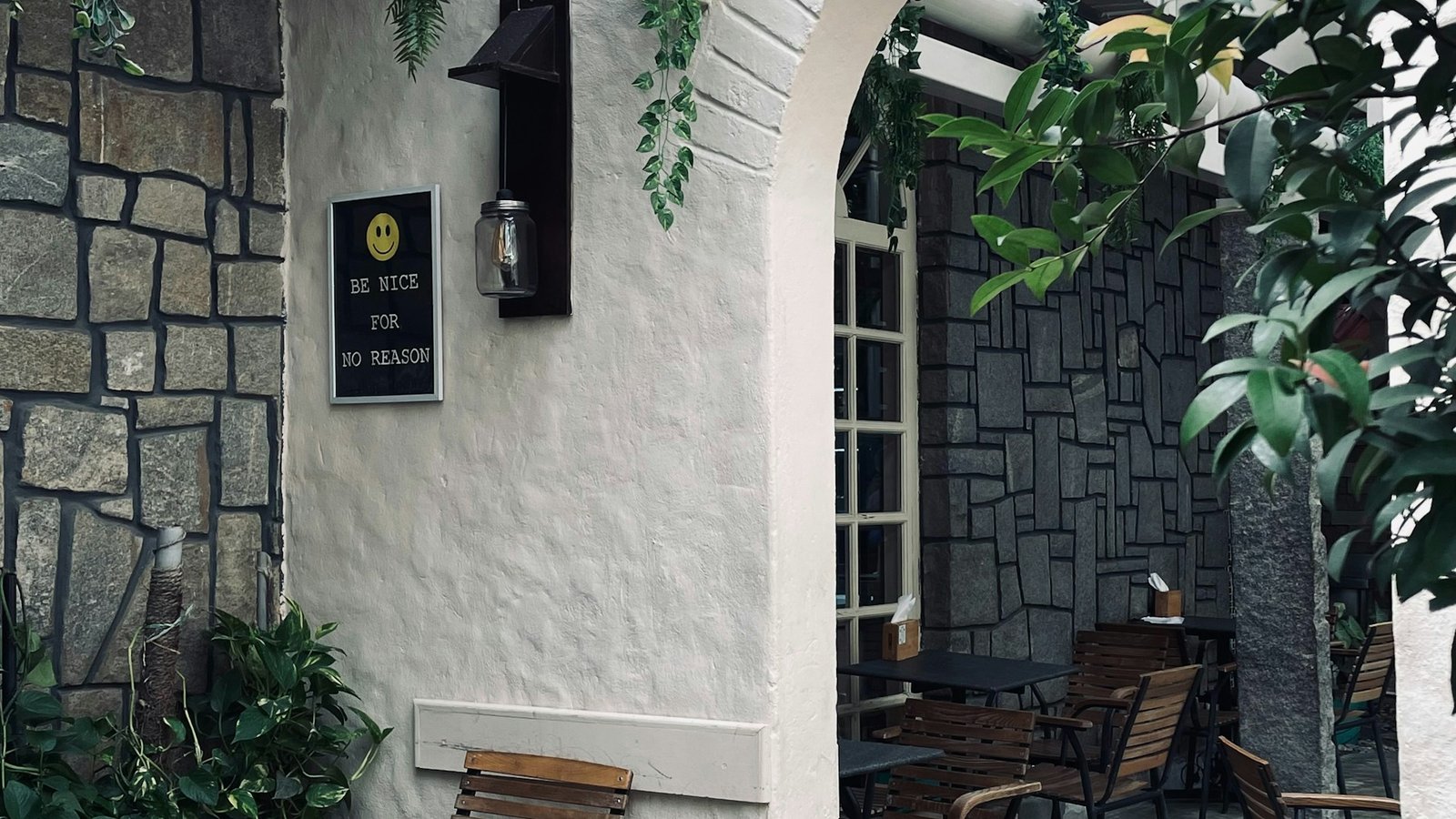
“A good café tells you something about the city it’s in — sometimes through decades of history, sometimes through a single unforgettable view.”