What Restaurant Design Adds to a Meal—and What It Cannot Replace
Lighting, acoustics, seating and service flow affect a restaurant meal. Research and an Indian venue example show why design and food work together.
00:00
00:00
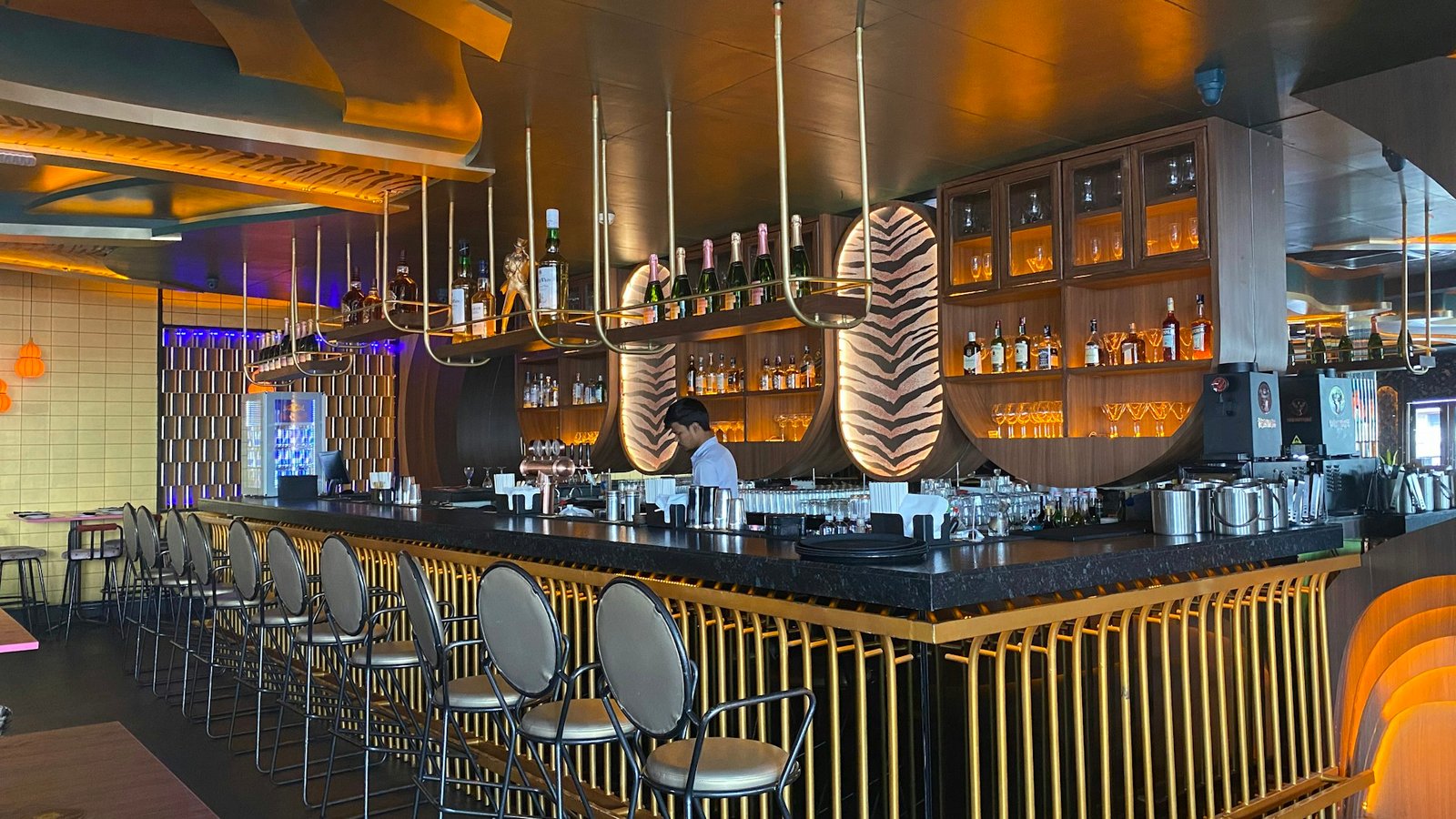
Restaurant design starts before the plate reaches the table. A guest has to find the entrance, understand where to wait, move to a seat and feel comfortable enough to read, talk and eat. The food remains central to a meal, but the room and service shape the conditions in which it is experienced. There is no sound basis for declaring either design or food universally “more important.”
Lighting can change more than the appearance of a photograph. In a field experiment published in *Food Quality and Preference*, researchers changed the ambient brightness in one fine-dining setting and found that participants under brighter light rated the overall taste intensity of a served dish more highly than those under dimmer light. This is a specific result about perception under experimental conditions. It does not mean brighter rooms make every meal better.
Sound is another design decision. Research on restaurant noise and speech intelligibility among older adults examines how noise changes the effort of conversation and the ability to understand speech. A dining room can look striking and still make a group strain to hear each other. Seat spacing, hard surfaces, music level and acoustic treatment become hospitality decisions when they affect a guest’s ability to share the meal.
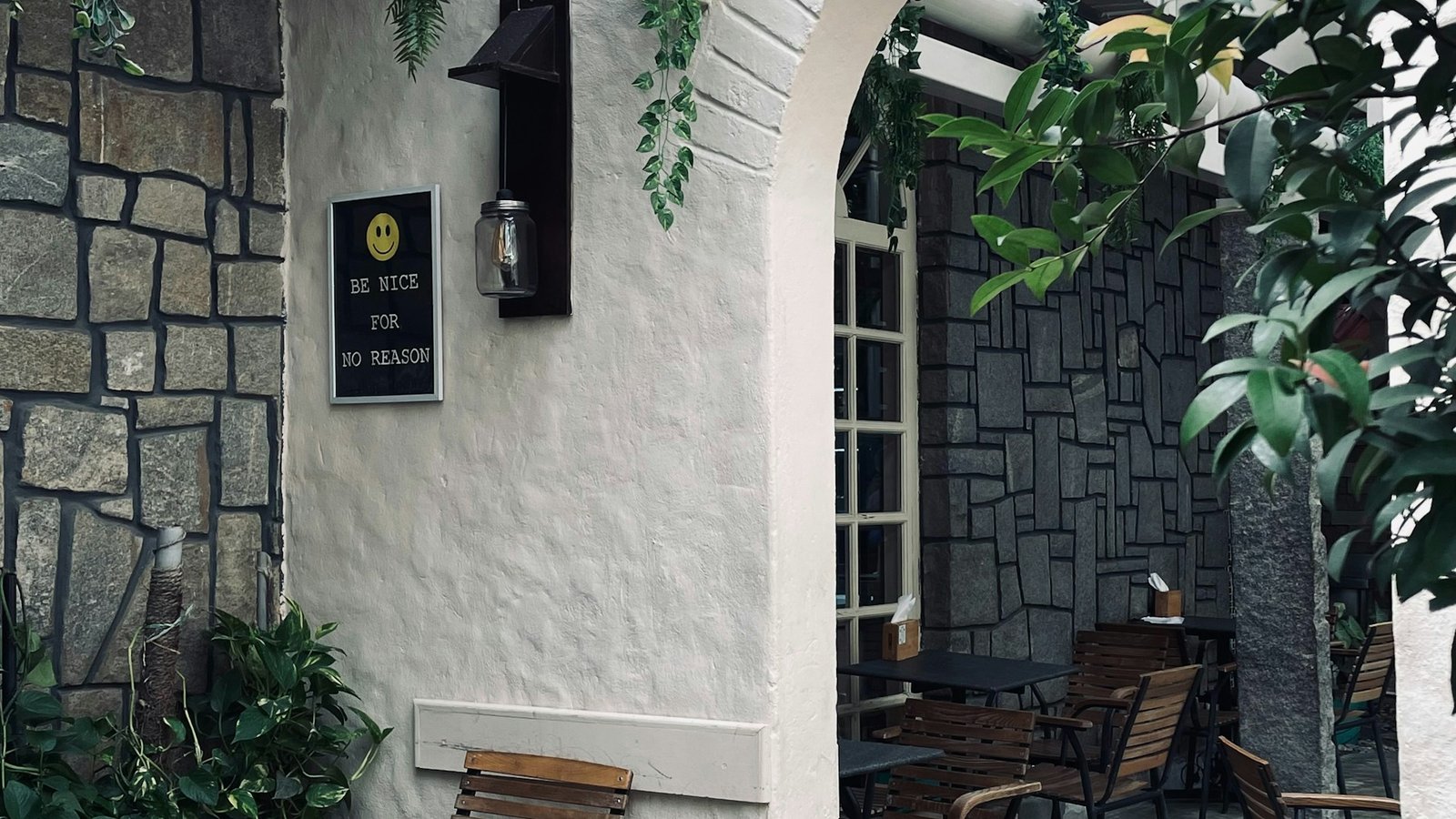
Seating and circulation also matter. A chair’s comfort, room for a server to pass, a clear path to an accessible table and the distance between groups all shape use of a space. A photogenic corner is only one possible design goal. Restaurant teams have to coordinate how guests arrive, how dishes leave the kitchen and how staff respond without disrupting a table. These are operational considerations, not proof that a particular restaurant has solved them.
The visual identity can make those choices legible. The Leela Palace Bengaluru’s description of The Azulian House sets out a Living Room, a Glasshouse with natural light, a Lab and an Orchard, and connects them to its food and beverage programme. That is the operator’s account of a design concept, not an independent verdict on its success or the quality of a meal.
An attractive interior may prompt a booking or a photograph. Whether guests return depends on many variables that this article has not measured: cooking, value, consistency, service, company and personal preference. Design works best as an enabler. It can make a menu readable, a conversation possible, a staff route clear and a setting coherent with the food. It cannot excuse a dish that disappoints a diner, just as excellent cooking cannot remove every obstacle caused by an uncomfortable room.
The useful question for a restaurant is therefore concrete: what does each design choice help a guest and the team do? That leads to a better discussion than asking which of the room or the food wins.
Details confirmed as of September 2026. Always check current hours, menus and reservation policies before visiting.
Dishani Som
I’m the Chief Editor of The Food Eaters, a publication built around restaurants, food culture and travel. I focus on the places, people and trends worth knowing — with thoughtful, well-researched stories from India and beyond.
Can home tests really tell whether ghee is pure? Here’s what FSSAI’s iodine test can detect, what popular home tests cannot prove, and when laboratory testing is needed.
High-protein snacks, drinks and desserts are everywhere, but extra protein does not automatically make a product healthier. Here is what matters beyond the front-of-pack claim.
Whether it’s a timeless classic or an innovative signature creation, these cocktail bars are redefining India’s drinking culture—one perfectly crafted glass at a time.