From global comfort food and regional Indian cuisines to fermentation, fiber-forward eating and elevated convenience, 2026 is reshaping the way we think about food. Discover the culinary movements redefining restaurant menus, home kitchens and the future of eating.

Food trends rarely arrive with a trumpet. They begin quietly—in a chef’s pantry, a farmer’s market, a home kitchen, a restaurant menu or a glass of something unfamiliar. By the time they become hashtags, they have usually been evolving for years.
In 2026, however, the direction of food feels unusually clear.
Across restaurant forecasts, grocery shelves and chef conversations, the same ideas keep surfacing: comfort without compromise, global flavours without borders, better use of ingredients, fermentation, fiber, regional identity, elevated convenience and a more conscious relationship with where food comes from.
National Restaurant Association's 2026 culinary forecast places local sourcing, comfort foods and value among the year's leading restaurant trends.
NRA
So, as 2026 unfolds, what is actually changing?
The future of food isn’t necessarily about eating something completely new. It is about experiencing the familiar differently.
1. Comfort Food Is Getting a Passport
The great comfort-food revival of 2026 is not simply about bringing back old favourites. It is about reinterpreting them through global flavours.
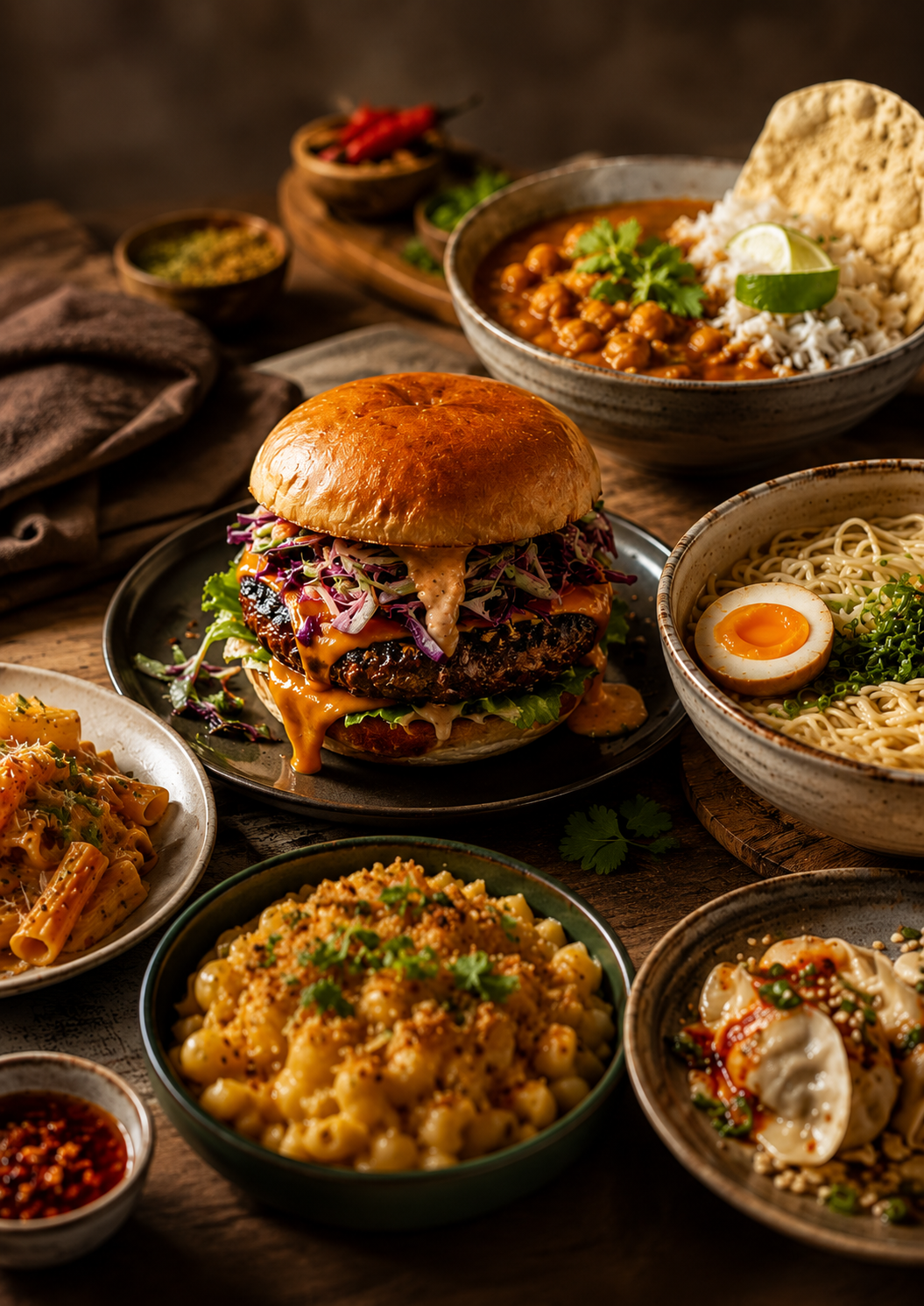
The National Restaurant Association’s 2026 What’s Hot Culinary Forecast, based on input from culinary professionals, places comfort foods among the year’s leading restaurant trends. Its breakout examples include global smashed burgers, Caribbean curry bowls and elevated instant noodles.
Kroger’s 2026 food forecast similarly identifies globally inspired home cooking and Asian-inspired combinations as important movements, highlighting ingredients such as gochujang, matcha, miso and sesame.
The result is a fascinating paradox: the more global food becomes, the more important familiarity becomes too.
We want adventure—but we also want to know roughly what we are ordering.
2. Fiber Steps Out of Protein's Shadow
For the last several years, protein has dominated food conversations. In 2026, another nutrient is demanding equal attention: fiber.
Whole Foods Market’s 2026 forecast explicitly identifies “Focus on Fiber” as one of its eight major food trends, noting the growing presence of fiber-forward products across categories such as pasta, bread, crackers and snack bars. Kroger has taken a similar position, identifying protein + fiber as a major 2026 combination.
This is more than another nutritional buzzword.
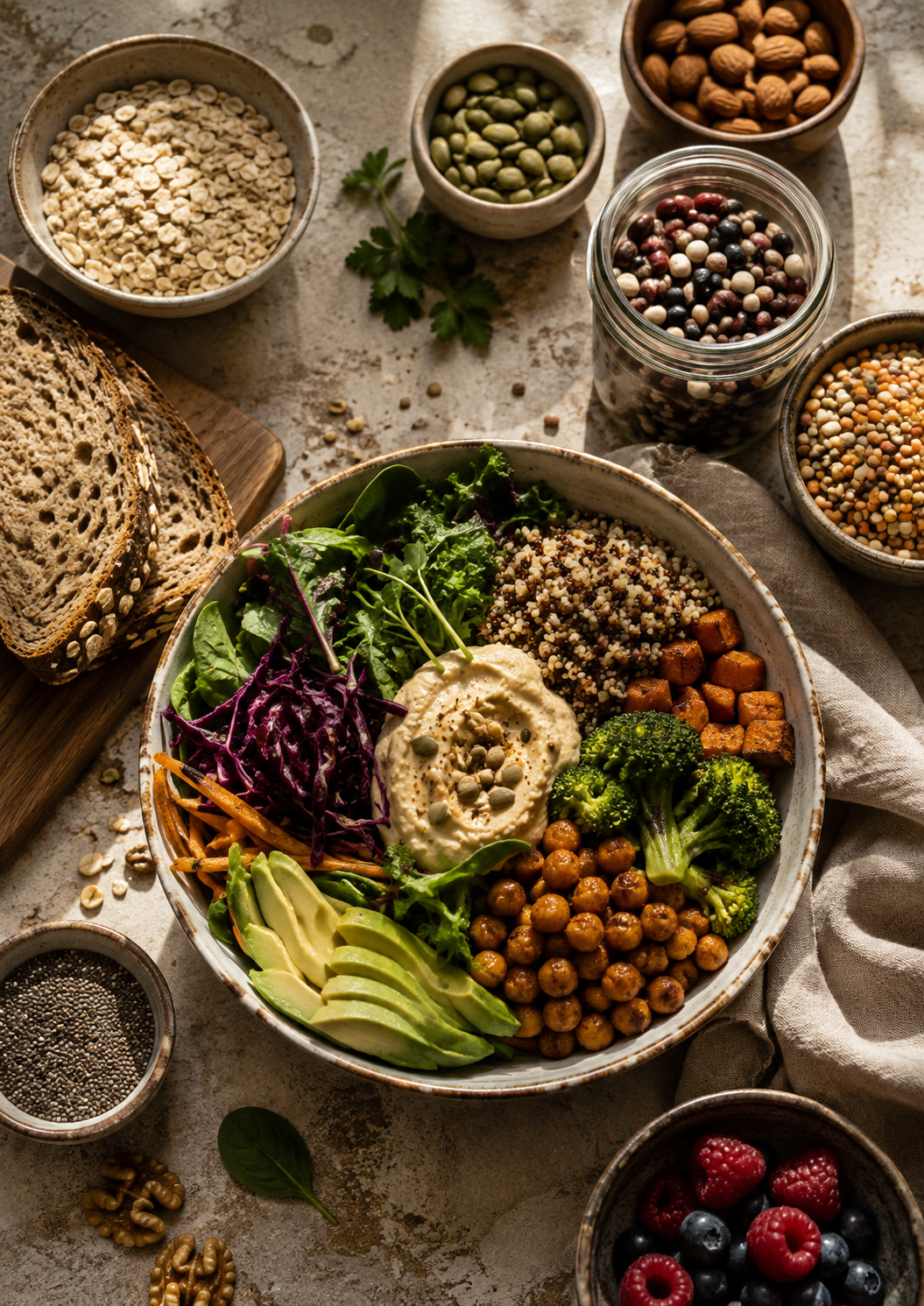
The more interesting development is that fiber is becoming part of the culinary experience, rather than merely a nutrition claim.
Think chickpea pasta, oat-based snacks, beans incorporated into comforting dishes, vegetables treated as centre-stage ingredients and breads or cereals formulated with more whole-food sources of fiber.
The smartest food brands are beginning to understand that wellness does not have to look clinical. It can look delicious.
Fiber naturally occurs in foods including whole grains, legumes, fruits, vegetables, nuts and seeds. It is important for normal digestive function, and increasing awareness of dietary fiber is encouraging food companies and chefs to think beyond the traditional “high-protein” proposition.
3. Fermentation Becomes a Culinary Language
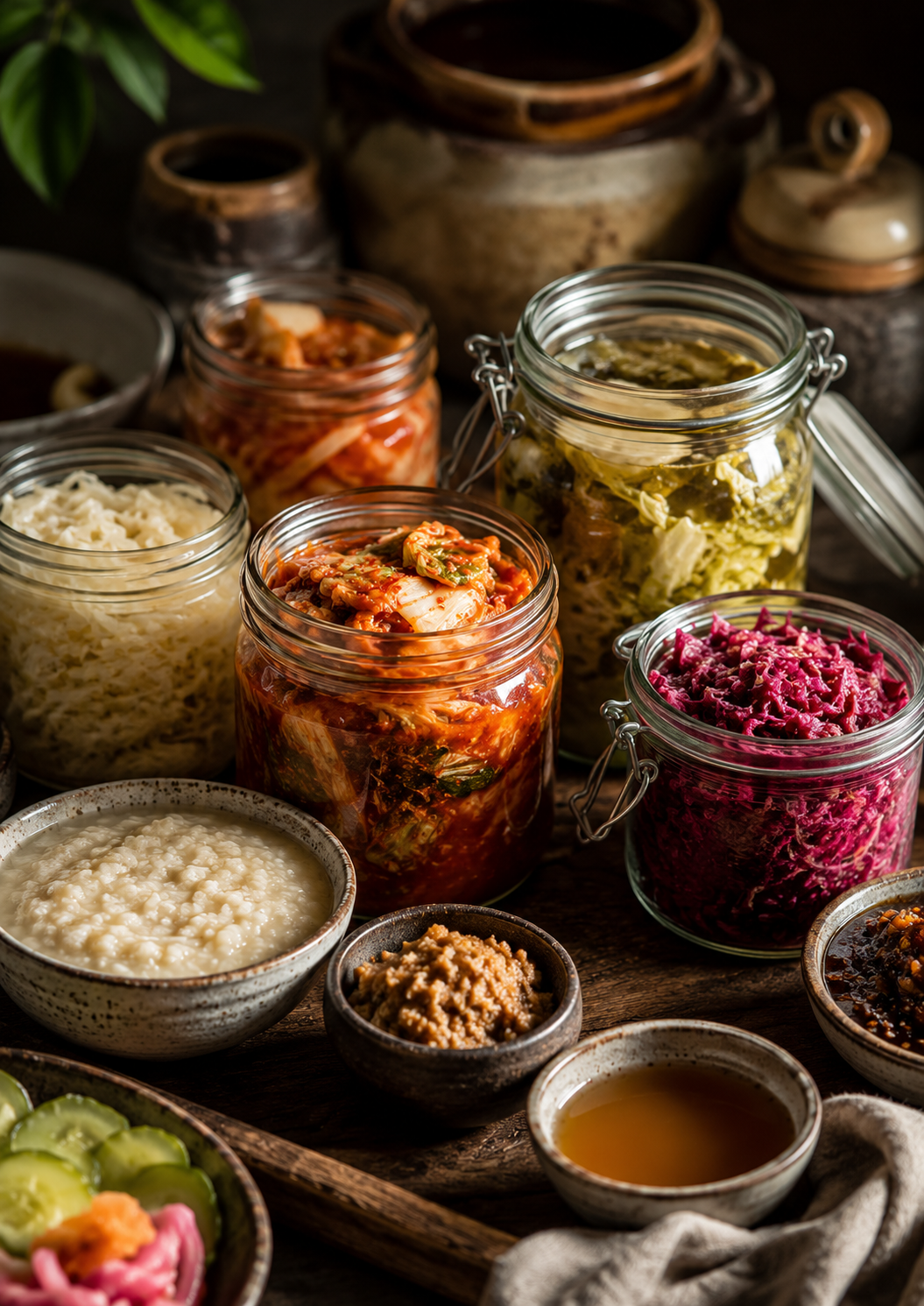
Fermentation is hardly new. Kimchi, miso, idli and dosa batters, pickles, yogurt, sourdough and countless other foods demonstrate that fermentation has been part of culinary traditions around the world for generations.
What is changing in 2026 is the way chefs and consumers are talking about and experimenting with it.
The James Beard Foundation’s 2026 chef forecast identifies intentional fermentation as a notable culinary movement, particularly for its ability to create flavour, preserve seasonal ingredients and reduce waste. Chefs are using fermented vegetables, fruit vinegars, cultured chilli pastes and other ferments as deliberate components of dishes rather than simply traditional preservation methods.
This matters because fermentation gives chefs something invaluable: time as an ingredient.
It can create acidity, umami, complexity and texture. It can transform excess produce into something with an entirely different culinary identity.
4. Convenience Is Getting a Culinary Upgrade
Convenience used to be synonymous with compromise. In 2026, that equation is changing.
Whole Foods Market’s “Freezer Fine Dining” and “Instant Reimagined” forecasts point toward a new generation of convenient foods designed around better ingredients, global flavours and a more premium eating experience.
Frozen food is a particularly interesting example.
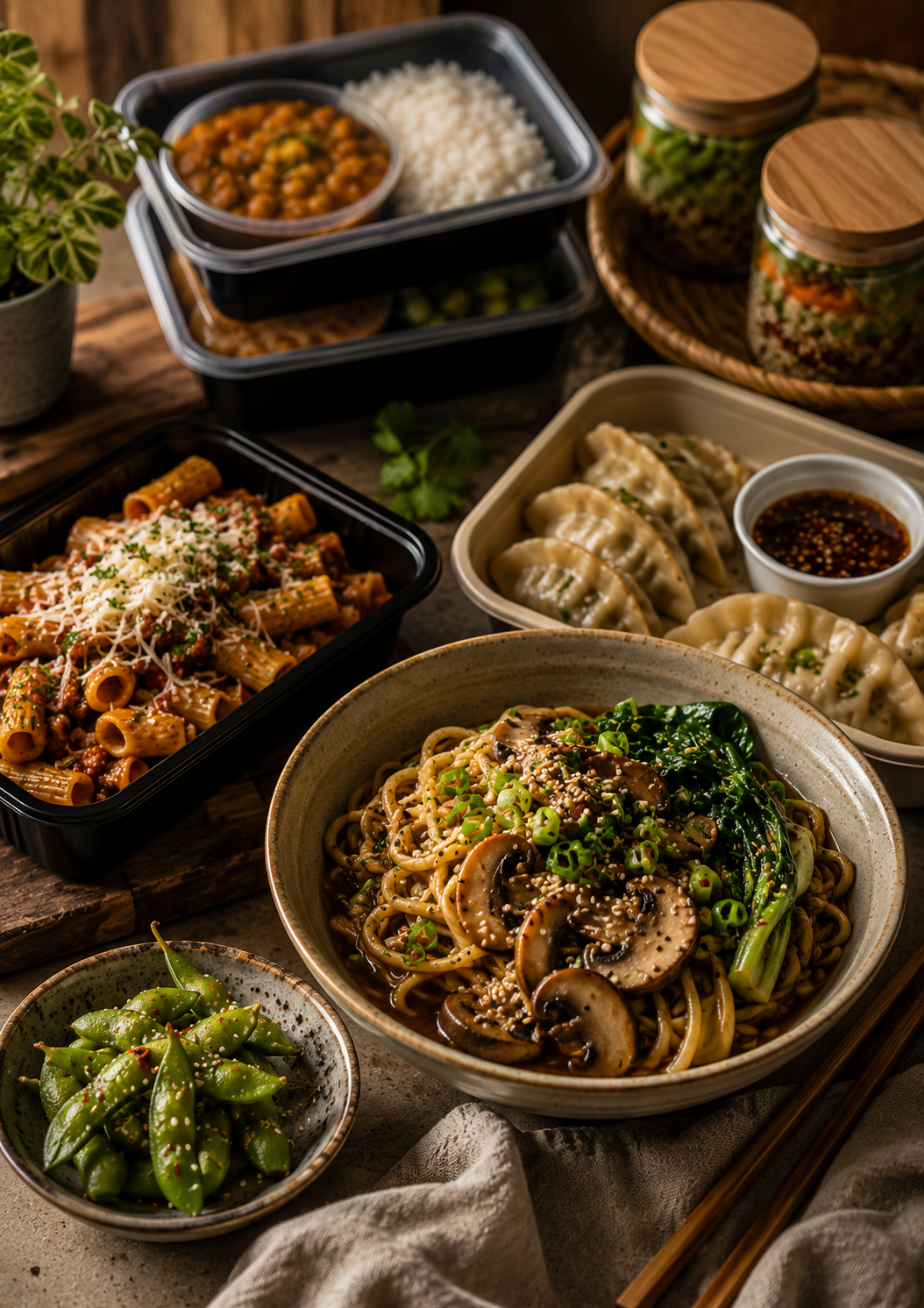
The modern freezer aisle is increasingly being positioned not simply as a place for emergency meals, but as a culinary shortcut: dumplings, arancini, noodles, globally inspired dishes and restaurant-style appetisers that can be finished at home.
The same philosophy is appearing in instant food.
Instant coffee is becoming more sophisticated. Instant meals are becoming more flavour-driven. Even the humble bowl of noodles is being reimagined with better broths, chilli oils, toppings and premium ingredients.
Kroger’s 2026 forecast also identifies restaurant-style home cooking as a significant consumer direction, with shoppers seeking globally inspired sauces, elevated ingredients and slow-cooked flavours without necessarily paying restaurant prices.
The lesson is simple:
People still want convenience. They just no longer want convenience to taste convenient.
5. The Ingredient's Story Matters More
The next evolution of sustainability may be less about labels and more about relationships.
Where did the ingredient come from? Who grew it? How was it produced?
What happens to the parts that would normally be discarded?
The James Beard Foundation’s 2026 chef forecast highlights this movement through ideas such as terroir-driven storytelling and greater use of whole ingredients. Chefs are exploring vegetable stems, fish collars, carcasses and other components when they contribute flavour and meaning to the dish.
Whole Foods Market has also made agricultural storytelling part of its 2026 forecast, naming “Year of the Female Farmer” among its trends. This intersects with a genuine global observance: the United Nations designated 2026 the International Year of the Woman Farmer, led by the Food and Agriculture Organization of the United Nations.
Sustainability is not simply about putting a green label on a product. It is increasingly about understanding the system behind the plate.
The farmer. The soil. The season.
The supply chain. The ingredient. The kitchen.
And finally, the diner.
The Bigger Story: Food in 2026 Is About Balance
Perhaps the most revealing thing about 2026’s food trends is that they do not point in a single direction.
They point toward balance.
We want comfort—but with adventure.
We want health—but not at the expense of pleasure.
We want convenience—but better quality.
We want sustainability—but we also want food to taste extraordinary.
And we want value.
The National Restaurant Association’s 2026 industry research reflects that economic reality: restaurants are operating amid persistent cost pressures while consumers remain conscious of household budgets. Its culinary forecast consequently places value alongside comfort and local sourcing among the year’s major restaurant themes.
That may ultimately be the defining characteristic of the 2026 food landscape.
Food is becoming more sophisticated without necessarily becoming more complicated.
A bowl of noodles can become fine dining.
A frozen dish can become dinner.
A fermented condiment can transform an otherwise familiar plate.
And a traditional recipe can travel thousands of kilometres without losing the story of where it began.
What Comes Next?
If the past decade was about discovering new foods, the next chapter may be about rediscovering what was already there.
Fermentation. Traditional preservation. Local agriculture. Familiar comfort foods.
But rediscovery does not mean going backwards.
The most compelling food of the future will likely combine heritage with experimentation, technology with craft, convenience with quality, and wellness with pleasure.
That is why the culinary future of 2026 does not look like a single trend.
It looks like a conversation between past and future.
And perhaps that is exactly what makes it worth tasting.