India’s zero-proof drinks are moving beyond the sweet mocktail. Bars are using shrubs, ferments, tea, botanicals and zero-ABV spirits to build more serious non-alcoholic menus.
Zero-Proof Cocktails in India: Why Bar Menus Are Changing
For years, the non-alcoholic section of an Indian bar menu often felt like a separate category with lower expectations: a virgin mojito, a fruit cooler, perhaps something very sweet served in the same glassware as a cocktail.
That is beginning to change.
Across Delhi, Gurugram, Mumbai and other major dining markets, bars and restaurants are treating zero-proof drinks as part of the beverage programme itself. The shift is not simply about removing alcohol. It is about designing drinks with the same questions bartenders ask of cocktails: Where does the acidity come from? Is there bitterness? What gives the drink body? How dry is the finish? Does it work with food?
That makes zero-proof cocktails useful to a much wider group than people who never drink. They can suit diners who are driving, taking a night off alcohol, alternating between alcoholic and non-alcoholic drinks, observing a dry day, or simply choosing a different kind of drink with dinner.
India’s zero-proof category is still relatively small. But the menu shift is increasingly visible, and it says something important about how the country’s drinking culture is changing.
Zero-proof is becoming a menu idea, not just an absence of alcohol
The phrase “zero-proof” is now commonly used on menus for drinks designed to deliver the structure and ritual of a cocktail without the alcoholic base. That can mean a drink built around tea, fruit acids, shrubs, herbs, spice, clarified juices, carbonation, fermented ingredients or a commercial zero-ABV spirit.
The distinction from an old-style mocktail is not that one word is automatically better than another. It is the design approach.
A basic “virgin” version often starts with an alcoholic cocktail and simply removes the spirit. A more considered zero-proof drink starts by rebuilding the missing elements: bitterness, aroma, dilution, texture and length.
In a May 2026 report on India’s changing cocktail culture, NDTV Food highlighted Barbet & Pals in Delhi, where co-founder Jeet Rana described zero-proof drinks as proper drinks rather than secondary mocktails. The report specifically pointed to balance, acidity and finish as part of the construction.
That is a small language change with a larger implication: the non-drinker is no longer automatically being offered the simplest drink on the menu.
The craft is moving toward acidity, bitterness and texture
Alcohol does more than intoxicate. In a cocktail, it also carries aroma, adds weight and helps create a long finish. Remove it and the drink can become flat or overly sweet unless something else takes its place.
This is why modern zero-proof menus are leaning on ingredients that create structure.
Shrubs bring vinegar-led acidity. Tea can add tannin and dryness. Citrus oils and oleo saccharum contribute aroma and texture. Botanicals and spice can create bitterness or heat. Carbonation changes mouthfeel. Fermented components can add sourness and complexity.
These are the same kinds of techniques that have shaped India’s broader cocktail scene, where bartenders increasingly work with ingredients such as kokum, tamarind, chilli, curry leaf and regional citrus.
The important change is that those techniques are no longer reserved for drinks containing gin, rum or whisky.
Comorin shows how broad a non-alcoholic menu can become
Comorin is one of the clearest examples because its current official beverage menu does not reduce the alcohol-free section to fruit juice.
The restaurant’s current beverage menu lists zero-alcohol spirit options alongside a separate range of non-alcoholic drinks including Pomegranate Salted Shrub, Nimbu Chilli Lemongrass, house sodas and kombucha.
That menu design matters as much as any individual drink.
Some guests may want a spirit-style serve with tonic. Others may prefer a shrub, a soda or a fermented drink that does not imitate a classic cocktail at all.
In other words, zero-proof drinking does not have to mean “fake gin and tonic.” A strong menu can offer several different families of non-alcoholic drinks.
The Grammar Room is treating zero-proof as a named menu section
At The Grammar Room, which currently operates in Delhi and Gurugram, the zero-proof category has been made visible rather than buried at the bottom of a drinks list.
NDTV Food’s 2026 menu coverage highlighted drinks including Elderflower & Gondhoraj and TGR Mary, with other alcohol-free options built around cucumber, citrus and herbs.
The significance is not that these drinks are radically complicated. It is that the restaurant is giving them names, identity and a specific place on the menu.
That is one of the clearest signals of the wider shift: guests no longer have to ask, “Can you make this without alcohol?” before the conversation begins.
Some bars are rebuilding familiar cocktails with zero-ABV spirits
There are two broad approaches to a modern zero-proof menu.
One is to build a completely original drink from ingredients such as tea, shrubs, herbs and fruit. The other is to recreate the flavour architecture of a familiar cocktail using a non-alcoholic spirit or another substitute for the alcoholic base.
Mira’s in Delhi used the second approach in 2026. India Today reported that its zero-ABV selection used Sober’s distilled non-alcoholic spirits for drinks inspired by a Picante, Espresso Martini and Paloma.
This can make the category easier to understand for a guest who already knows what a Paloma or Espresso Martini is supposed to taste like.
But it also raises the bar for execution. If a menu uses the name of a classic, the guest has a reference point. Acidity, aroma, bitterness and texture have to do enough work that the drink feels intentional rather than incomplete.
New bars are integrating zero-proof into the same menu conversation
The change is also visible at newer openings.
Condé Nast Traveller India’s 2026 guide to new Delhi restaurants and bars notes that Second Born in GK II offers a short zero-proof list alongside its cocktail programme.
That may sound like a small detail, but integration matters.
A bar does not need ten alcohol-free drinks to signal that non-drinkers belong in the room. A short, deliberate list can do more than a long section of generic sweet beverages.
For the guest, that creates parity: everyone at the table is choosing from a considered drinks programme, even if they are not choosing the same kind of alcohol content.
This is not simply a story about people giving up alcohol
The zero-proof shift can be overstated if it is framed as a mass movement away from alcohol.
Current evidence points to something more nuanced: moderation, switching and wider choice.
A July 2026 Mint report described India’s zero-proof market as legitimate but still niche. It also quoted industry participants saying that consumers increasingly want to take part in social occasions without drinking alcohol.
That does not require someone to identify as a permanent non-drinker.
The same person can order a cocktail on one occasion and a zero-proof drink on another. They can alternate during a long evening. They can choose alcohol at dinner but not at lunch. They can want the bar experience without wanting intoxication every time.
That is why “sober-curious” has become useful language even for people who are not sober.
India gives bartenders a large flavour vocabulary to work with
Zero-proof drinks also fit naturally into Indian food culture because the country already has a deep tradition of complex non-alcoholic beverages.
Nimbu pani, jaljeera, kokum drinks, aam panna, buttermilk, kanji, tea, coffee, sherbets and spiced sodas all show that an interesting drink does not need alcohol to have acidity, salt, spice, aroma or fermentation.
Modern bar programmes can borrow from that vocabulary without simply turning traditional drinks into cocktails.
Gondhoraj lime can provide perfume and acidity. Tamarind or kokum can make a drink tart without relying only on lemon. Tea can create tannin. Chilli can create length. A shrub can bring both fruit and vinegar. Coconut water can add body without sweetness becoming the main idea.
This is one reason the category has more room to develop in India than a simple imitation of Western alcohol-free gin or whisky might suggest.
Dry days reveal one practical use case
India’s dry-day calendar also creates a distinctive occasion for zero-proof menus.
Outlook Traveller’s August 2026 guide to Delhi-NCR highlighted zero-proof cocktails specifically as an option for Independence Day, when alcohol sales are restricted.
The point is larger than one holiday.
A restaurant does not stop being a social space when alcohol is unavailable. A thoughtful zero-proof programme gives guests something more interesting to order than the default soft drink, whether the reason is a dry day, driving, religion, pregnancy, medication, personal preference or simply moderation.
For many groups, that makes the night out easier because one person’s decision not to drink no longer requires a completely different kind of experience.
What makes a good zero-proof menu?
For diners, a few signs are useful.
First, look for flavour descriptions rather than only sweetness. A strong menu might tell you whether a drink is tart, bitter, herbaceous, sparkling, spicy or tea-led.
Second, look for more than one format. Not every alcohol-free drink needs to imitate a classic cocktail. A menu that offers a shrub, a spritz-style drink, a tea-based serve and a zero-ABV spirit gives guests real choice.
Third, ask about sweetness. Removing alcohol does not automatically make a drink lighter or less sugary. A zero-proof cocktail can still be syrup-heavy if it has not been balanced carefully.
Fourth, ask about ingredients if strict avoidance matters. Bars use “zero-proof,” “zero-ABV,” “non-alcoholic” and “alcohol-free” in different ways, and some programmes use fermented ingredients. Guests avoiding alcohol for medical, religious or personal reasons should ask the venue what is actually in the drink rather than relying only on the section heading.
Why this matters for Indian bars
India’s cocktail culture has become more sophisticated over the past decade. Our guide to 10 Indian cocktail bars to know in 2026 looks at the venues helping shape that scene.
Zero-proof drinks are now becoming part of the same conversation.
The most interesting bars are no longer asking only, “What spirit is this drink built around?” They are asking what makes the drink worth ordering at all.
That shift also fits the broader changes explored in our guide to how dining out in India is changing: menus are becoming more intentional, consumers are more curious about what they order, and restaurants increasingly have to serve groups with different expectations at the same table.
The result is not the end of the cocktail.
It is a broader idea of what a bar drink can be.
Details and menus checked as of 6 October 2026. Restaurant and bar menus change regularly; confirm current availability directly with the venue.
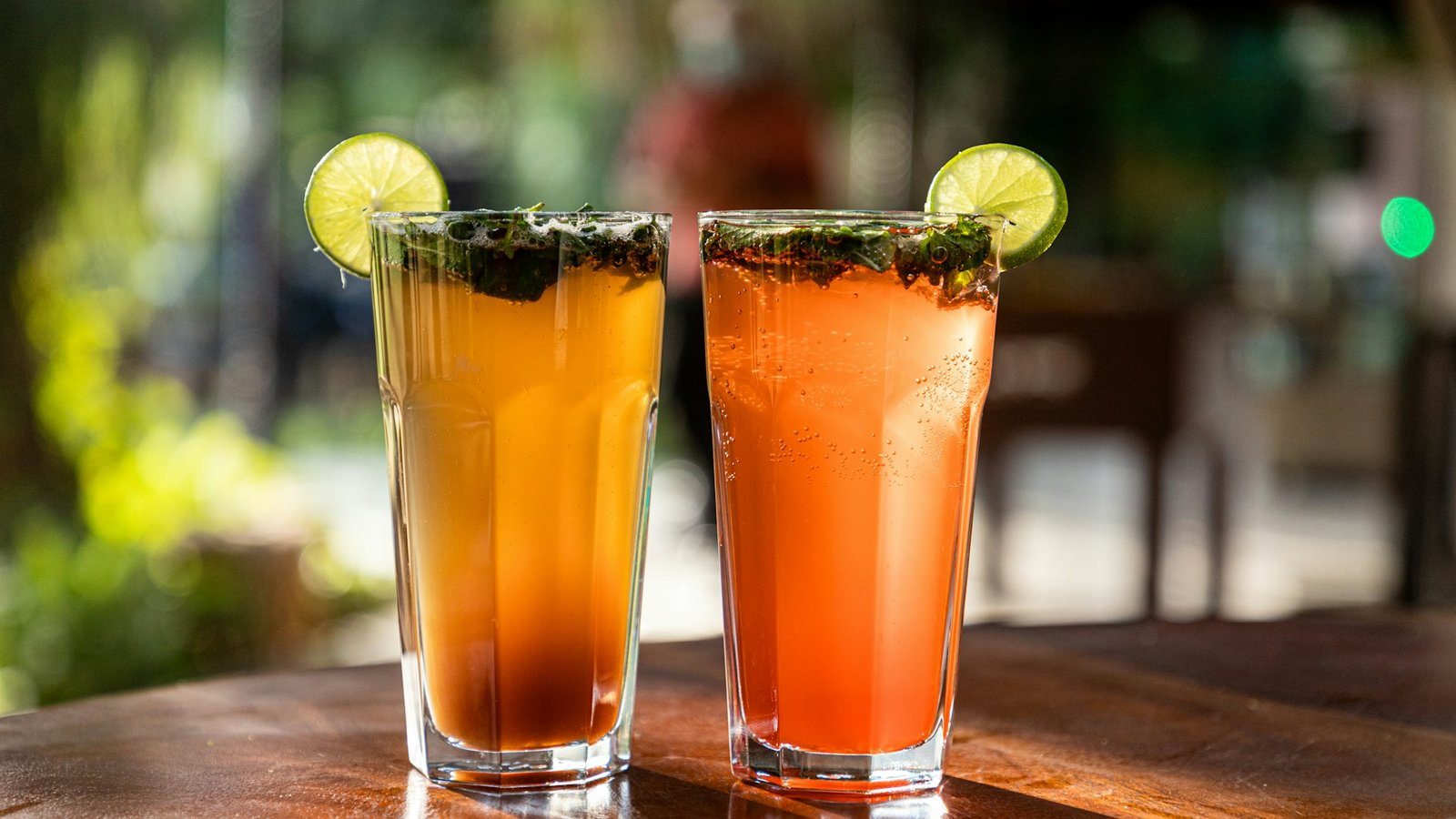
Featured image: Photo by Jay Gajjar / Unsplash. Mojito-style drinks shown illustratively; this photograph is not identified as a specific venue’s zero-proof menu item.