Understand Bihar’s litti chokha: what goes into the sattu filling, how the accompaniments vary, and what to ask before ordering a plate.
Litti Chokha: The Sattu Filling, the Vegetable Mash and How to Order It
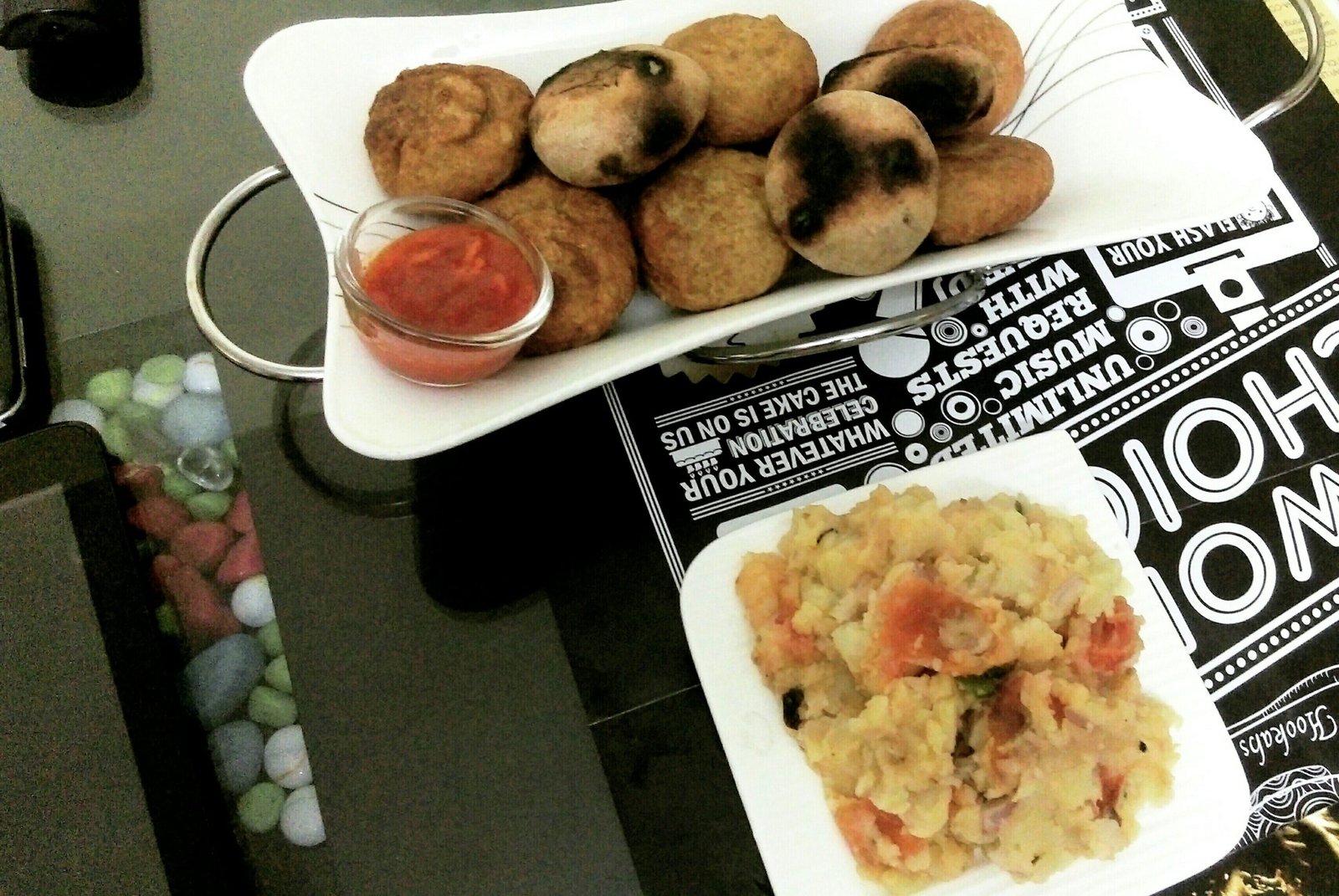
The first question to ask about a plate of litti chokha is not how many litti it contains. Ask which chokha comes with it. The wheat shells and their sattu filling are only half the meal; the vegetables, ghee and accompaniments determine how the plate comes together.
For someone ordering it for the first time, the name is a useful two-part description. Litti is the filled wheat preparation. Chokha is the vegetable accompaniment. Keeping those parts distinct helps explain why two plates with the same name can eat quite differently.
What is inside litti?
Bihar Tourism’s description identifies the essentials: a salted, baked wheat-flour exterior, a filling of sattu and spices, and ghee for serving. Sattu here means roasted gram flour. It is the filling, rather than simply the round shape, that deserves your attention.
Seasoning is not identical in every kitchen. Goya’s feature on litti chokha describes a preparation with garlic, green chilli, coriander and pickle oil in the sattu mixture. Those details are useful examples, not a rule that every cook must follow. Ask about the filling if you avoid garlic or want less chilli; a dish name alone cannot settle that.
Break a litti open before adding everything else. It makes the filling accessible and lets you combine each mouthful with the accompaniments. If ghee arrives separately, begin with a little and add more to your preference. You do not have to commit the entire plate to the same amount.
Chokha is more than a side dish
Brinjal and potato are the accompaniments highlighted by Bihar Tourism. Other preparations include tomato, and some plates provide a mixture rather than separate portions. Goya’s account also describes mustard oil, onion, chilli and herbs in the mash.
For a diner, the useful distinction is what the kitchen has actually prepared: roasted brinjal, potato, tomato or a combination. Ask whether the vegetables are served separately if you want to compare them. A menu photograph showing three bowls does not establish what your order includes.
Try a small mouthful of the filling with each accompaniment before mixing the plate. That is a straightforward way to find your preferred balance, especially when chilli levels differ. Keep any extra chutney or pickle to one side at first. The aim is to understand the meal, not to prove how much heat you can manage.
Why litti and baati should not be treated as interchangeable
Their rounded appearance invites comparison, and Bihar Tourism explicitly notes the resemblance. For ordering purposes, look beyond the shape: ask whether there is a sattu filling and which dishes accompany it. “Looks like baati” is not enough information to choose a meal.
This is also a reason to be careful with restaurant shorthand. If a menu combines names or sells a fusion version, read its description on its own terms. There is nothing inherently wrong with an adaptation, but the diner should know what is being offered.
A better first order
- Confirm the portion. Ask how many litti are included and whether the listed price covers chokha, ghee and chutney.
- Ask about the cooking method. Baked, roasted and fried versions need not have the same exterior. Order the version you want rather than relying on the photograph.
- Check the filling and finish. If you avoid an ingredient, ask about both the sattu mixture and what is added after cooking.
- For takeaway, request separation. Keeping the litti, vegetable mash and ghee apart lets you assemble the meal when you are ready to eat.
If you are sharing, start with one plate and order more after seeing its size. This is more useful than assuming a universal serving standard. If you are ordering delivery, confirm what is included in writing; a short menu title often hides the most practical details.
Let the plate introduce the cuisine
Litti chokha is a good starting point for exploring Bihari food, but it cannot stand in for an entire region. Follow the meal with questions about the kitchen’s other preparations rather than looking for a single dish to represent everything.
Our regional Indian breakfast guide takes the same approach to local food traditions: understand the ingredients and format before treating a name as a complete description. When choosing a street-food stop, our guide to practical hygiene checks can help with the separate question of where to eat.
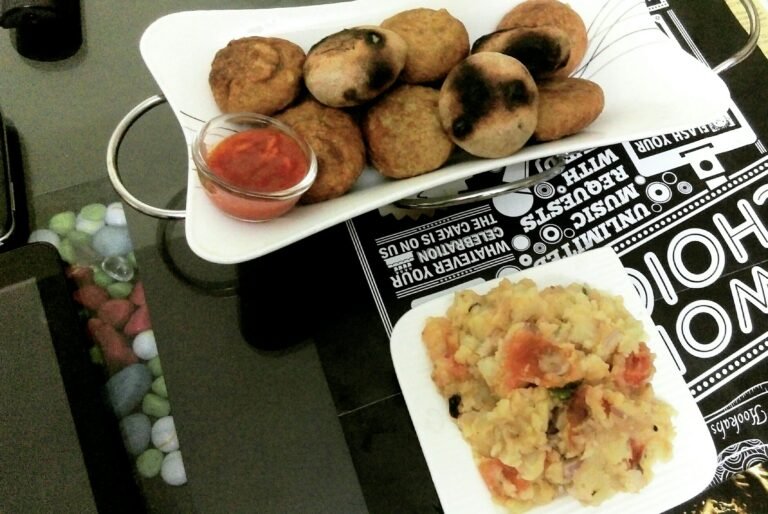
Featured photograph: litti with chokha and accompaniments, by HrichikHv / Wikimedia Commons, CC BY-SA 4.0. Resized for display; image derivatives remain under the same licence. This is an illustrative plate, not a reviewed restaurant’s serving.