In Goa, the same flattened rice can become a savoury potato breakfast, a coconut-and-jaggery preparation or a bowl simmered in milk for Diwali.
Goan Diwali Fov: The Many Ways Goa Eats Poha for Breakfast
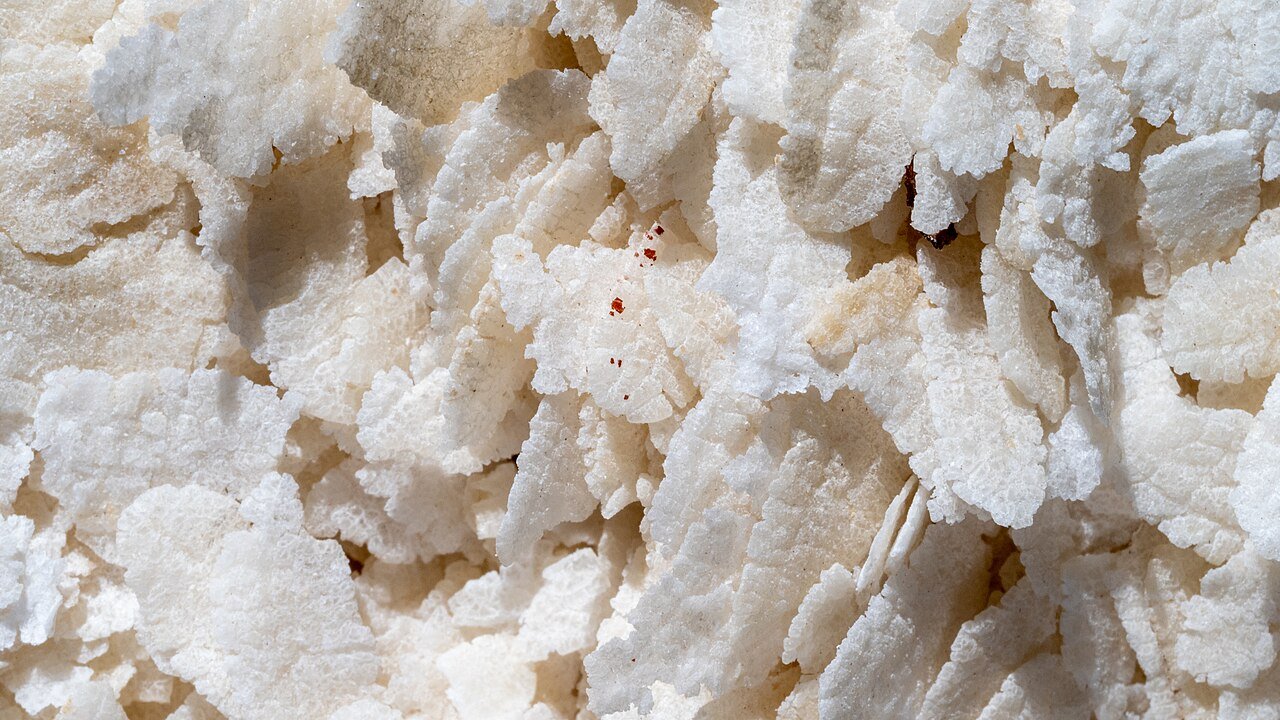
At a Goan Diwali breakfast, flattened rice can turn up with boiled potatoes and green chilli, or with coconut milk and jaggery. It can also be simmered in milk and finished with cardamom. The ingredient stays the same across those preparations. In Konkani it is called fov, the flattened rice widely known as poha.
Local reporting in The Goan places poha among the foods prepared around the festival. Food writer Joanna Lobo, writing in Goya, describes fov eaten after morning puja and records several versions from Goan households. The variations tell you more about the breakfast than any single recipe could.
Batat fov brings potatoes and chilli to breakfast
Batat fov is a savoury preparation. Goya describes a version with boiled potato, coconut, green chilli and coriander. Here, the flakes are part of a substantial breakfast, with potato in the mix and fresh chilli for heat. The coconut appears again in sweet preparations, where it does a different job.
Sweet fov can start with coconut milk or dairy milk
In rossantlem fov, coconut milk and jaggery make up the sweet base. Goya notes that turmeric leaves are sometimes used to infuse it. Another preparation in Lobo’s account uses grated coconut mixed by hand with jaggery and cardamom, giving the flakes a different treatment from a bowl made with coconut milk.
Doodhantle fov uses dairy milk. In Manorathi Madkaikar’s recipe for Goya, the flakes are rinsed, briefly soaked and drained before they go into the milk with sugar. Cardamom goes in towards the end. The recipe can be served warm or cold.
What else can be on the Goan Diwali table?
Lobo’s account also describes chana usal, a spiced preparation of white peas, and ambadyachem karam, a sweet-sour preparation made with hog plum, served alongside fov. The accompaniments help explain why several bowls of flattened rice can feel like a full breakfast. In one dish the flakes carry the seasoning, in another they sit in sweet milk, and alongside them are peas and fruit with their own flavours.
The same ingredient travels easily between festive tables. In neighbouring Maharashtra, flattened rice can become the crisp chivda in a Diwali faral assortment shared with visitors and neighbours. In the Goan breakfast preparations, how the flakes are dressed, mixed or simmered is what gives each bowl its identity.
Photograph of uncooked flattened rice: Ajay Suresh via Wikimedia Commons, CC BY 2.0.