Published: 28 October 2026. Researched guide; no tasting or estate visit is claimed.A packet can say Darjeeling, first flush and the name of a garden without answering the question you actually have: will this be a cup you enjoy? Those details describe different things. Origin concerns where the tea comes from; flush concerns the harvest; a garden name helps identify the producer. Read them separately before paying a premium.Archive illustration: David J. Fred, Wikimedia Commons, CC BY-SA 2.5. Displayed at reduced size; no tasting or endorsement is implied.Start with origin, not the romantic descriptionThe Tea Board's certification guidance says that only 100% Darjeeling tea is entitled to carry its Darjeeling logo. It advises buyers to look for certification and the licence number. Its scheme is intended to protect tea produced in the defined Darjeeling region, rather than every blend that invokes the place in its name.For a shopper, this is a reason to ask for traceable details, not a way to diagnose authenticity by looking at dry leaves. If a seller offers only a scenic photograph and words such as premium, ask what identifies the tea inside. Keep the invoice and the packet together, particularly when ordering a larger quantity after trying a sample.Flush is a harvest descriptionWest Bengal's official one-district-one-product brochure describes a first harvest around mid-March and a second harvest in June. Exact commercial lots should be identified by the seller; a broad seasonal description is not a substitute for a harvest year.Do not read first as a …
Published: 28 October 2026. Researched guide; no tasting or estate visit is claimed.
A packet can say Darjeeling, first flush and the name of a garden without answering the question you actually have: will this be a cup you enjoy? Those details describe different things. Origin concerns where the tea comes from; flush concerns the harvest; a garden name helps identify the producer. Read them separately before paying a premium.

Start with origin, not the romantic description
The Tea Board’s certification guidance says that only 100% Darjeeling tea is entitled to carry its Darjeeling logo. It advises buyers to look for certification and the licence number. Its scheme is intended to protect tea produced in the defined Darjeeling region, rather than every blend that invokes the place in its name.
For a shopper, this is a reason to ask for traceable details, not a way to diagnose authenticity by looking at dry leaves. If a seller offers only a scenic photograph and words such as premium, ask what identifies the tea inside. Keep the invoice and the packet together, particularly when ordering a larger quantity after trying a sample.
Flush is a harvest description
West Bengal’s official one-district-one-product brochure describes a first harvest around mid-March and a second harvest in June. Exact commercial lots should be identified by the seller; a broad seasonal description is not a substitute for a harvest year.
Do not read first as a universal quality ranking. Ask which harvest the packet contains and whether the shop can explain the cup in plain terms. If you are comparing two teas, keep the harvest year and pack size visible alongside the price. A cheaper small packet and a more expensive large packet are otherwise easy to compare badly.
A garden name should make the purchase more specific
The Tea Board’s Darjeeling traceability portal describes authorised stakeholders and a certificate-of-origin system for exported consignments. That is supply-chain documentation; it does not mean every retail customer can authenticate an individual cup through a photograph or a retailer’s slogan.
Ask the seller to connect the garden, harvest and offered packet clearly. If several lots from the same estate are available, request the distinguishing lot or invoice information the seller uses. Write down the one you liked. Reordering merely by estate name may not reproduce the same purchase.
Buy a comparison you can learn from
Start with a small quantity of one identifiable tea. Use the seller’s brewing instructions and record the leaf dose, water quantity and steeping time. Change one variable on the next cup instead of adjusting everything at once. This is a practical comparison method, not a brewing formula tested by The Food Eaters.
For two samples, use the same cups and preparation method. Note what you prefer in ordinary language: lighter, more aromatic, more brisk or better with the way you drink tea. Do not feel obliged to prefer the packet with the more elaborate description.
Five questions before buying
- Is this 100% Darjeeling tea or a blend?
- Which garden, harvest year and flush are identified?
- What certification or licence information accompanies it?
- What brewing instructions apply to this particular tea?
- Can I buy a small pack before committing to more?
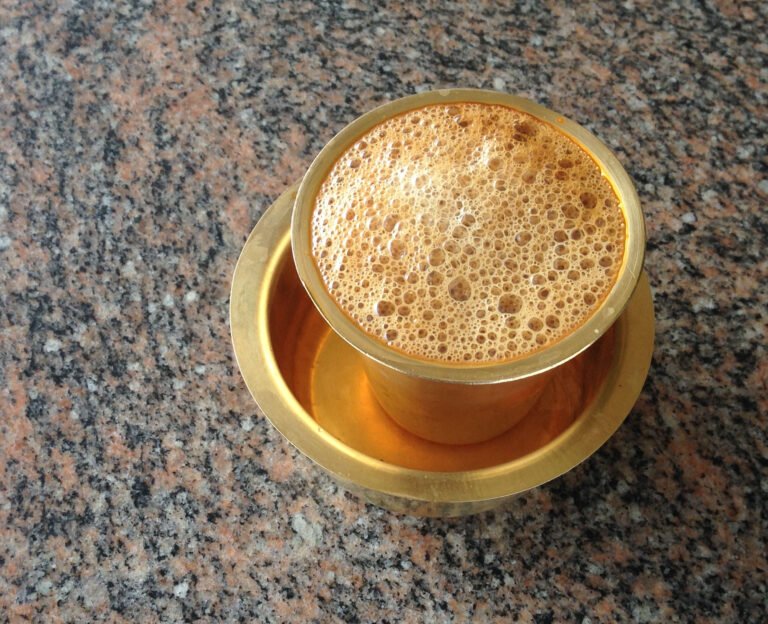
Our South Indian filter-coffee guide takes a similar approach to repeatable brewing. For the limits of persuasive packaging language, read our guide to natural, pure and real food claims.
Sources and image licence checked on 28 October 2026. This guide explains purchasing questions; it does not rank brands or claim independent laboratory verification of a retail product.