For chef Priyam Chatterjee, making Bengali food contemporary does not require leaving its identity behind.
His career has moved between Indian restaurants and European culinary influences, but his public comments repeatedly return to the same foundation: family, Kolkata, Bengali cooking and the techniques he encountered through French cuisine.
Ahead of a French-European gastronomy weekend at Glenburn Penthouse in July 2026, Chatterjee spoke about Bengal remaining central to his culinary philosophy despite his experience in French kitchens. The Telegraph.
A Bengali foundation
Chatterjee has been making the case for taking everyday Bengali food more seriously for years.
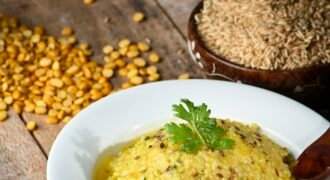
In a 2019 interview with The Indian Express, he pointed to phyanay bhaat — rice cooked with its starchy liquid — as an example of a familiar Bengali preparation that rarely receives the kind of attention given to famous European dishes. The Indian Express.
The larger argument was that Indian cooking is complex enough to deserve deeper study and presentation without abandoning its identity.
Technique is not the same as identity
Using French technique does not automatically turn Bengali food into “fusion.”
In a 2021 interview, Chatterjee discussed parallels between Indian and French culinary traditions, including slow cooking and the use of mustard. He cited ingredients such as kasundi, posto and French mustard as connecting points between the two food cultures. The Indian Express.
The idea is less about placing unrelated cuisines together for novelty and more about finding genuine technical or historical intersections.
Why looking backward can move a cuisine forward
In 2026, Chatterjee argued that the future of Bengali cuisine lies partly in examining its own past. The Times of India.
That is especially relevant because Bengali food is much broader than the relatively small collection of dishes most commonly seen on restaurant menus outside Bengal.
Home cooking, riverine ingredients, mustard, poppy seeds, seasonal vegetables, sweets, Muslim Bengali traditions, colonial influences and different regional identities all form part of a much larger culinary archive.
France and Bengal
Chatterjee’s relationship with French cooking is longstanding.
He has said that French cuisine was the first cuisine he learned professionally. In 2019, the French government awarded him the Chevalier de l’Ordre du Mérite Agricole, recognising his work connected with gastronomy and French culinary culture. The Indian Express.
Returning to Kolkata
Chatterjee joined chefs Rishabh Seal and Shaun Kenworthy for Bistro Chez Pierre, the finale of a French-European gastronomy weekend in Kolkata. The event was presented as both a French bistro experience and a tribute to the city. The Telegraph.
Regional Indian cuisines do not necessarily need to become less regional to travel internationally. They can become more precise about their history, ingredients and techniques while borrowing professional tools from elsewhere.
In Chatterjee’s approach, the future of Bengali cooking is not a rejection of tradition. It begins by understanding tradition well enough to know what can be taken forward.