In Maharashtra, Diwali breakfast can be a plate of chakli, chivda and karanji. The same snacks are set out for visitors and carried over to neighbours.
Diwali Faral: What Maharashtra Puts on the Festival Plate
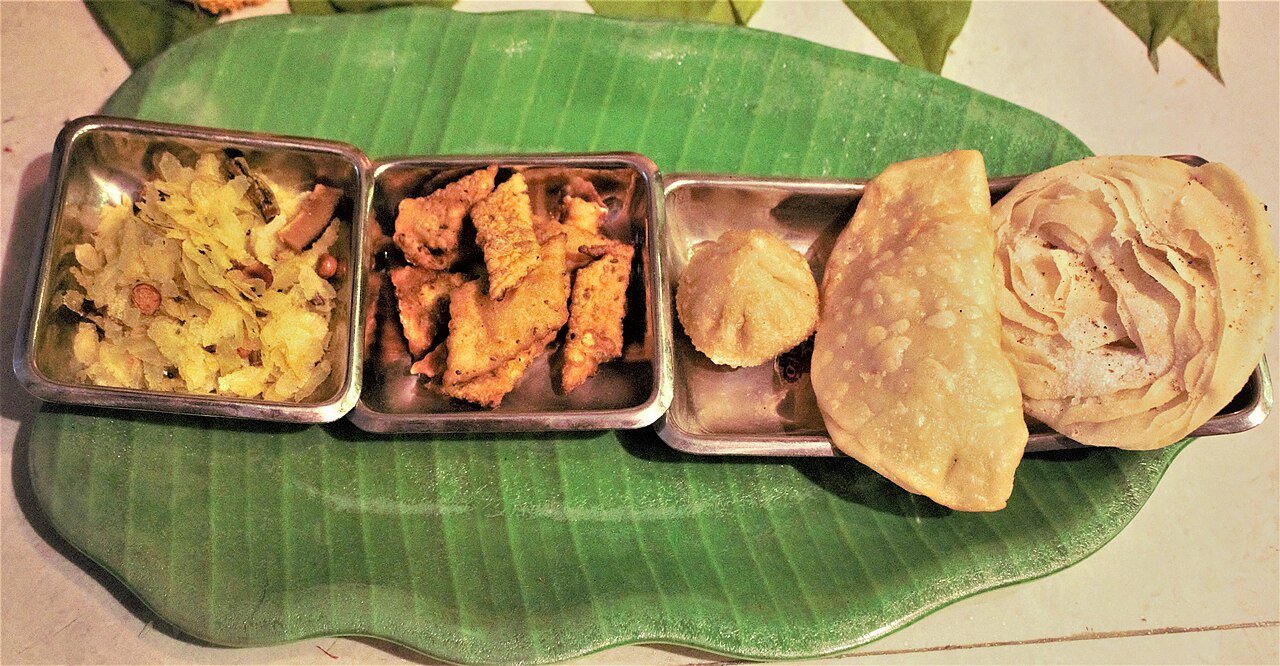
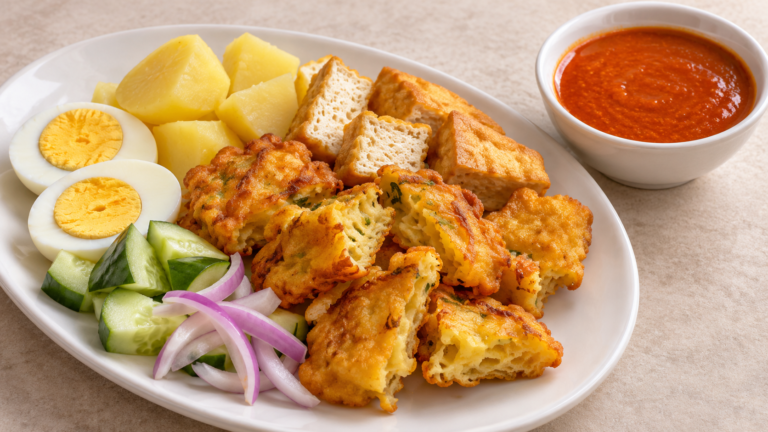
A handful of spiced chivda, a spiral of chakli and a coconut-filled karanji can all sit on the same Diwali breakfast plate. In Maharashtra, that sweet-and-savoury assortment is called Diwali faral. The same snacks can be set out for a visitor later in the day or carried across to a neighbour’s home.
Diwali falls on Sunday, 8 November in the 2026 India Post holiday calendar. The faral tradition offers a more local way to read the festival: through what families make, serve and share.
What is Diwali faral?
A Yashwantrao Chavan Maharashtra Open University teaching text describes a Maharashtrian custom of eating faral after a pre-dawn ritual bath, then offering the sweets and savouries to visitors and exchanging them with neighbours. Think of faral as an assortment with a purpose. One batch can feed the household in the morning and become part of several plates shared over the course of the festival.
What goes on a Maharashtrian faral plate?
Chakli is a ridged, fried spiral. In the bhajani version, the dough is made with a roasted flour blend. Hindustan Times’ 2026 faral coverage singles out bhajani chakli alongside the poha chivda and sweets on the festival plate.
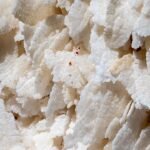
Poha chivda is a loose, seasoned mix of flattened rice. Peanuts and pieces of dried coconut can give the mix a different crunch from the flakes themselves. Beside a chakli, it shows how two crisp savouries can have very different textures: one holds its shape, the other is eaten by the handful.
Karanji is a filled, crescent-shaped pastry. Grated coconut is one filling, and it can be sweetened with sugar or jaggery depending on the recipe. Shankarpali takes a different route: the dough is cut into small pieces, often diamonds, before frying. Sweet versions are common on faral plates, and savoury versions exist too. Besan ladoo, made with gram flour, is another familiar sweet.
Why the assortment matters
A plate with chivda, chakli and karanji already explains much of faral: something loose and spiced, something crisp and shaped, and something with a sweet filling. Add shankarpali or ladoo if those are the things your household looks forward to. The selection can change with the family, and the practice of sharing it gives the plate its place in the festival.
Flattened rice has a different Diwali role just down the coast. Read about Goa’s sweet and savoury fov breakfasts. If you’re shopping for the celebrations, see our guide to FSSAI’s 2026 festive food checks.
Photograph: Kashmira3091 via Wikimedia Commons, CC BY-SA 4.0.