The most credible food forecasts for 2026 point toward global comfort, more attention to fiber, deliberate fermentation, upgraded convenience and closer scrutiny of where ingredients come from.
Food forecasts are most useful when they are treated as signals rather than prophecy.
No single report can describe what billions of people will eat in 2026, and several of the most detailed forecasts used here come from U.S.-based restaurant, retail and chef organisations. These are global industry signals, not a prediction of what Indian consumers will eat.
The evidence base includes the National Restaurant Association’s 2026 What’s Hot Culinary Forecast, Whole Foods Market’s 2026 trend forecast, Kroger’s 2026 food predictions and the James Beard Foundation’s chef forecast. Together they point toward comfort, value, fibre, fermentation, convenience, local sourcing and closer attention to the story behind ingredients.
These are not universal predictions. They are clues about how parts of the food industry are responding to changing expectations.
1. Comfort food is becoming more global
Comfort is not disappearing as diners become more adventurous. It is being reinterpreted.
The National Restaurant Association placed comfort foods among its leading 2026 trends, while also identifying global comfort foods and examples including smashed burgers, Caribbean curry bowls and elevated instant noodle dishes. Its survey drew on nearly 300 chefs and restaurant-industry professionals.
Kroger’s 2026 outlook similarly highlighted home cooking with globally inspired sauces and “Asian Inspired Mashups”, citing flavours such as gochujang, matcha, miso and sesame.
The interesting shift is not simply that people want “international food.” That language is too broad to be useful.
What these forecasts suggest is a continuing appetite for recognisable formats carrying less familiar flavour profiles.
A bowl, burger, noodle dish or sandwich can offer reassurance through its form while allowing sauces, spices, pickles and condiments to travel much further.
That balance—familiar structure, wider flavour vocabulary—may be one of the more durable directions in restaurant and packaged-food development.
2. Fiber is finally sharing the spotlight with protein
Protein has dominated wellness marketing for years. In 2026, fibre is becoming much harder to ignore.
Whole Foods Market named “Focus on Fiber” as one of its principal trends, pointing to fibre-forward products across pasta, breads, crackers and snack bars. Kroger separately identified the combination of protein plus fibre as one of its six 2026 trend predictions.
That change is potentially more interesting than simply replacing one nutrition buzzword with another.
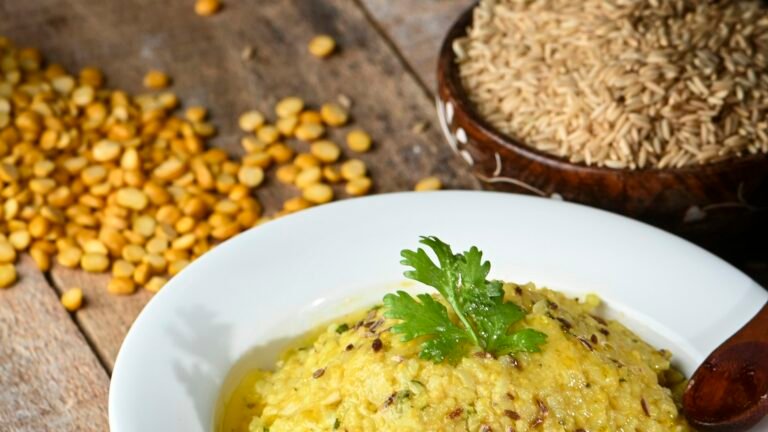
Fibre naturally occurs in foods such as pulses, whole grains, vegetables, fruits, nuts and seeds. A serious fibre movement therefore has the potential to draw attention back toward ingredients, not only fortified products.
For chefs, it can mean beans becoming central rather than decorative, vegetables carrying more of a dish, and grains chosen for texture as much as nutritional positioning.
For packaged-food companies, it creates another challenge: adding a positive nutrient claim is easier than improving the overall product.
The most credible fibre-forward foods will still have to work as food first.
3. Fermentation is being used more deliberately
Fermentation is ancient. The trend is not.
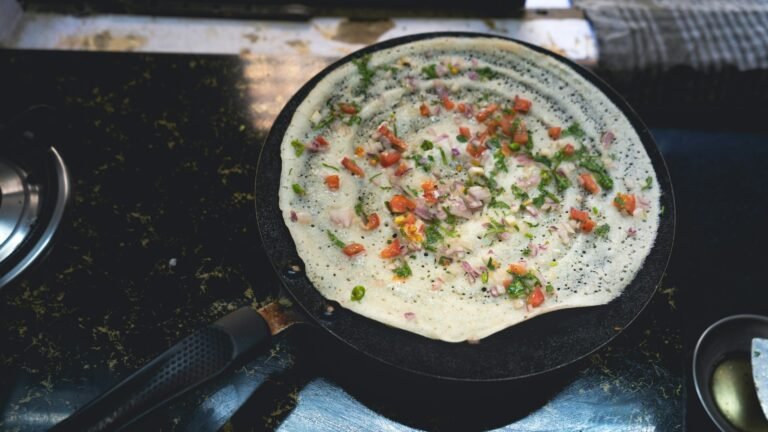
Kimchi, yoghurt, miso, sourdough, pickles, dosa and idli batters are reminders that microorganisms have shaped human food traditions for generations.
What is changing is how deliberately contemporary chefs are deploying fermentation as a creative tool.
The James Beard Foundation’s 2026 chef forecast includes “intentional fermentation” among the movements its chef contributors expect to influence restaurants, alongside themes such as sustainable ingredient use and affordability.
Kroger’s forecast separately identifies a “cultured comeback” in dairy.
This matters because fermentation can connect several priorities at once.
It can create flavour. It can extend the life of seasonal produce. It can turn an ingredient that might be overlooked into a condiment, paste, vinegar or preserve with a different identity.
The danger is that “fermented” becomes another vague health halo. The more interesting culinary story is simpler: chefs are rediscovering controlled transformation as part of their flavour toolkit.
4. Convenience is being asked to taste better
Convenience food is not disappearing. Expectations around it are rising.
Whole Foods Market’s 2026 forecast points to both “Freezer Fine Dining” and “Instant Reimagined”: products intended to bring more culinary ambition to formats historically associated with speed and practicality.
The National Restaurant Association’s interest in elevated instant noodles and Kroger’s emphasis on mini meals and restaurant-style home cooking fit the same broader pattern.
That does not mean every frozen appetiser is suddenly fine dining.
It means the old trade-off—convenient food must taste basic, while interesting food must require time—is being challenged from both directions.
Consumers can now expect more from dumplings, noodles, frozen dishes, sauces, coffee concentrates and ready-to-heat meals. Restaurants and food brands, meanwhile, are learning that convenience can be a format rather than a quality level.
The question is shifting from “Is it convenient?” to “How much compromise does convenience require?”
5. The story behind the ingredient is becoming part of the food
Local sourcing topped the National Restaurant Association’s overall 2026 trend list, while the James Beard Foundation forecast includes sustainability- and ingredient-driven themes. Whole Foods Market’s forecast also brought greater attention to women working in agriculture.
There is also a wider global context.
The United Nations designated 2026 the International Year of the Woman Farmer, coordinated through FAO and other Rome-based UN agencies. The FAO’s official International Year of the Woman Farmer resource explains that the initiative is intended to highlight women’s roles across agrifood systems and the structural barriers they face.
For food media and hospitality businesses, this should mean more than turning farmers into marketing copy.
Credible ingredient storytelling requires specificity: where something came from, who produced it, why a particular variety was selected, how seasonality affects supply, and what happens to parts of the ingredient that kitchens once ignored.
The chef, farmer, producer and supply chain all become part of the story of the plate.
The common thread is not novelty
Taken together, the strongest 2026 signals are surprisingly grounded.
Comfort remains important. So does value. Convenience remains important, but expectations are higher. Wellness remains influential, although the conversation is expanding beyond protein. Fermentation and regional food traditions are gaining new attention precisely because they are not new inventions.
That may be the most useful way to understand 2026.
The food industry is not moving cleanly from old to new. It is taking familiar needs—comfort, nourishment, affordability, convenience and pleasure—and trying to satisfy them with a wider set of ingredients, techniques and cultural references.
Different markets will interpret those signals differently. India will not reproduce an American restaurant or grocery forecast dish for dish, nor should it.
The value of a trend forecast is not in predicting everyone’s next meal.
It is in revealing what parts of the food industry believe diners and shoppers may care about next.